

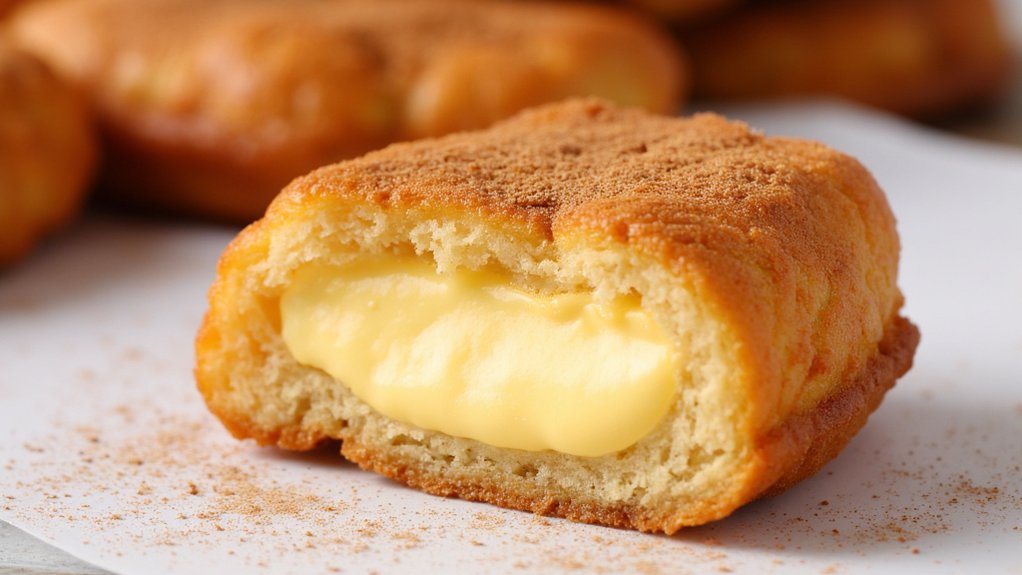
There’s a special kind of joy in starting the day with a taste of Spain. From the crispy delight of churros with chocolate to the gentle sweetness of Tarta De Santiago, these recipes are a true feast for the senses. Each one offers a little piece of Spanish tradition and flavor to brighten your morning. Whether you’re a seasoned cook or just looking to try something new, these breakfast ideas are sure to inspire. Let’s explore these Spanish treasures that promise to make your mornings memorable.
Churros Con Chocolate
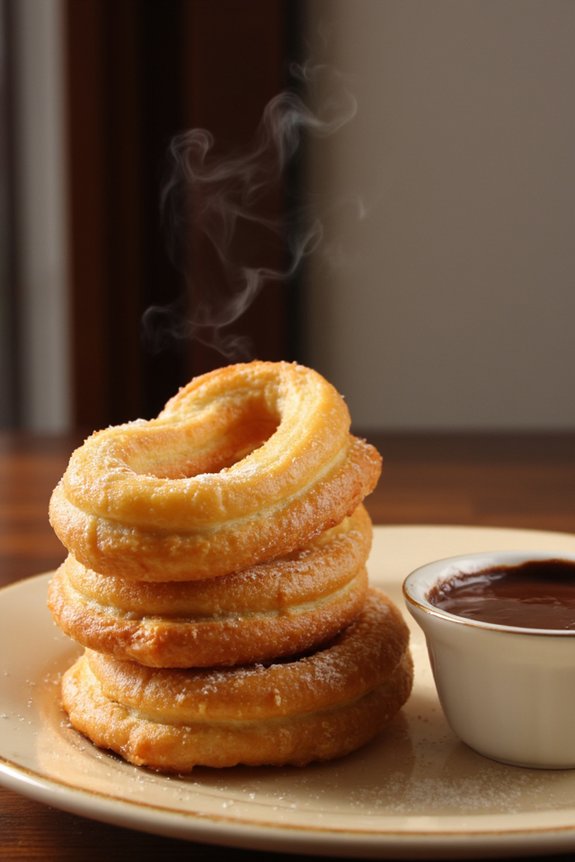
Churros Con Chocolate is a classic Spanish breakfast treat that combines crispy, golden churros with a rich, velvety chocolate sauce. This delightful pairing is a staple in Spanish cuisine, often enjoyed during leisurely mornings or festive occasions.
The churros, made from a simple dough of flour, water, and butter, are piped into hot oil and fried until they achieve a perfect crunchy exterior. The chocolate sauce, known as “chocolate a la taza,” is thick and indulgent, made from high-quality dark chocolate and milk, making it the perfect complement to the churros’ light and airy texture.
Creating Churros Con Chocolate at home is a rewarding experience, bringing the flavors of a Spanish café into your kitchen. While the process involves a few steps, the result is a delightful treat that can be savored by family and friends. The churros are best enjoyed fresh, dipped generously into the warm chocolate sauce. This recipe serves 4-6 people, making it ideal for a small gathering or a cozy morning indulgence.
Ingredients:
For the Churros:
- 1 cup water
- 1/2 cup unsalted butter
- 1 tablespoon sugar
- 1/4 teaspoon salt
- 1 cup all-purpose flour
- 3 large eggs
- Vegetable oil, for frying
For the Chocolate Sauce:
- 1 cup whole milk
- 1 tablespoon cornstarch
- 1 tablespoon sugar
- 1 cup dark chocolate chips or chopped dark chocolate
Cooking Instructions:
- Prepare the Dough:
- In a medium saucepan, combine the water, butter, sugar, and salt. Bring the mixture to a boil over medium heat.
- Once boiling, reduce the heat to low, add the flour all at once, and stir vigorously with a wooden spoon. Continue stirring until the mixture forms a ball and pulls away from the sides of the pan.
- Remove from heat and let it cool for about 5 minutes. Add the eggs one at a time, mixing thoroughly after each addition until the dough is smooth and glossy.
- Fry the Churros:
- Heat about 2 inches of vegetable oil in a large, heavy-bottomed pot to 350°F (175°C).
- Transfer the dough to a pastry bag fitted with a large star tip. Pipe 4-6 inch strips of dough directly into the hot oil, using scissors to cut the dough and release it into the oil.
- Fry the churros in batches, turning them occasionally, until golden brown and crisp, about 4-5 minutes per batch. Remove with a slotted spoon and drain on paper towels.
- Make the Chocolate Sauce:
- In a small saucepan, whisk together the milk, cornstarch, and sugar over medium heat until the mixture begins to thicken.
- Reduce the heat to low, add the chocolate, and stir continuously until the chocolate is completely melted and the sauce is smooth.
- Serve:
- Serve the warm churros immediately with the chocolate sauce on the side for dipping.
Extra Tips:
To guarantee your churros are perfectly crispy, make sure the oil temperature is consistent and avoid overcrowding the pan while frying.
If the dough seems too thick when piping, you can add an additional egg to achieve the desired consistency. For an extra touch of flavor, you can roll the fried churros in cinnamon sugar before serving.
And remember, the quality of the chocolate greatly affects the taste of the sauce, so opt for a good-quality dark chocolate for the best results.
Tarta De Santiago
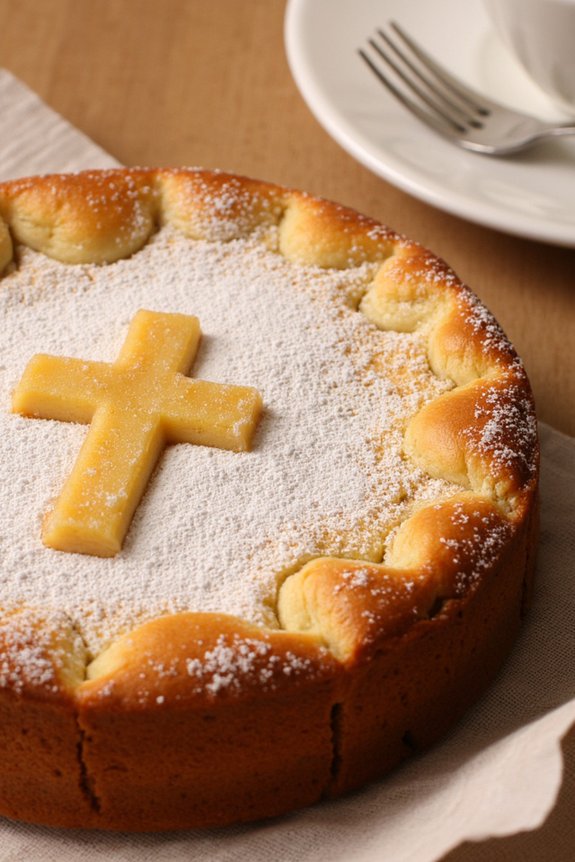
Tarta De Santiago, also known as the “Santiago Cake,” is a traditional Spanish almond cake that hails from the region of Galicia. It’s named in honor of Saint James (Santiago in Spanish), the patron saint of Spain.
This deliciously moist and nutty cake is characterized by its simple ingredients and the distinctive cross of Saint James stenciled on top in powdered sugar. Perfect for breakfast or as a dessert, Tarta De Santiago is a delightful treat that pairs beautifully with a cup of coffee or tea.
This cake is naturally gluten-free since it uses almond flour as its base, making it a great option for those avoiding gluten. The preparation is straightforward and doesn’t require any special equipment, making it accessible even for novice bakers.
The key to an authentic Tarta De Santiago is high-quality almond meal and a generous dusting of powdered sugar to create the iconic cross design that gives the cake its name.
Ingredients for 4-6 people:
- 250 grams (2 cups) almond flour
- 250 grams (1 1/4 cups) granulated sugar
- 5 large eggs
- 1 teaspoon lemon zest
- 1/2 teaspoon ground cinnamon
- 1 teaspoon almond extract
- Powdered sugar for dusting
- Butter for greasing the pan
Cooking Instructions:
- Prepare the Oven and Pan: Preheat your oven to 350°F (175°C). Grease a 9-inch (23 cm) round cake pan with butter and line the bottom with parchment paper to prevent sticking.
- Mix the Dry Ingredients: In a medium bowl, combine the almond flour, sugar, lemon zest, and ground cinnamon. Stir until well mixed.
- Beat the Eggs: In a separate large mixing bowl, beat the eggs using a hand mixer or whisk until they’re frothy and have increased in volume.
- Combine Ingredients: Gradually add the dry mixture into the beaten eggs, folding gently with a spatula. Add the almond extract and continue to fold until you have a smooth, homogeneous batter.
- Transfer to the Pan: Pour the batter into the prepared cake pan. Smooth the surface with a spatula to guarantee even baking.
- Bake the Cake: Place the cake in the preheated oven and bake for 30-35 minutes, or until the top is golden brown and a toothpick inserted into the center comes out clean.
- Cool and Decorate: Allow the cake to cool in the pan for about 10 minutes before transferring it to a wire rack. Once fully cooled, place a stencil of the cross of Saint James on top of the cake and dust generously with powdered sugar. Carefully remove the stencil to reveal the design.
Extra Tips:
For the best flavor, make sure to use fresh almond flour, as older almond flour can have a stale taste. If you don’t have a stencil of the cross, you can create one using a piece of paper and scissors.
Be gentle when folding the dry ingredients into the eggs to maintain the cake’s light texture. Finally, Tarta De Santiago can be stored in an airtight container for a few days and even tastes better the next day as the flavors meld together beautifully.
Ensaimadas
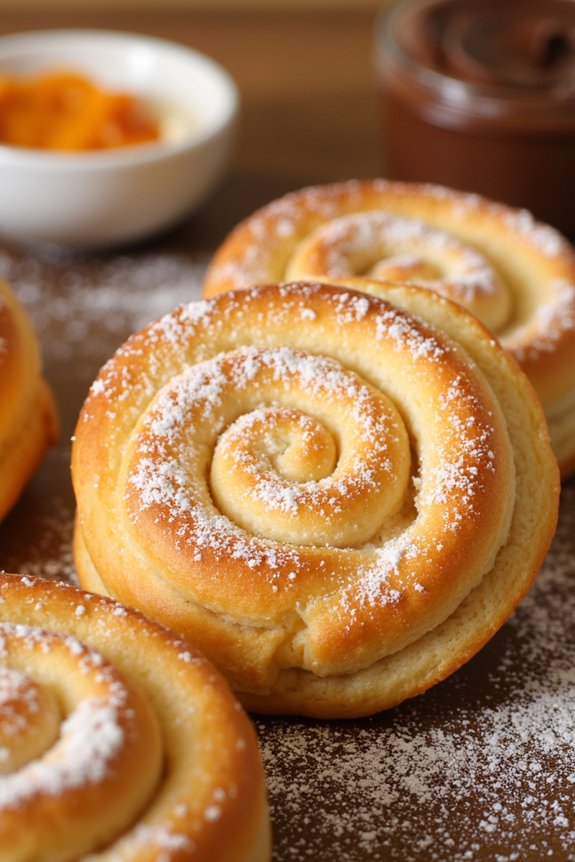
Ensaimadas are a traditional Spanish pastry originating from Mallorca, a beautiful island in the Mediterranean. Known for their soft, flaky texture and deliciously sweet taste, ensaimadas are often enjoyed as a breakfast treat or a delightful snack throughout the day.
These spiral-shaped pastries are usually dusted with powdered sugar and can be filled with a variety of fillings such as pumpkin jam, cream, or chocolate, adding an extra layer of indulgence to their already delightful flavor.
Making ensaimadas at home is a rewarding experience that allows you to enjoy the authentic taste of Spain right in your kitchen. The process involves creating a delicate dough enriched with lard, which contributes to the pastry’s unique texture.
Although it requires some patience and practice to perfect, the result is well worth the effort. This recipe serves 4-6 people, making it perfect for sharing with family and friends over a leisurely breakfast or brunch.
Ingredients (Serves 4-6 people):
- 500g all-purpose flour
- 100g granulated sugar
- 7g active dry yeast
- 2 large eggs
- 200ml lukewarm milk
- 100g lard (or unsalted butter)
- 1/2 teaspoon salt
- Powdered sugar for dusting
- Optional fillings: pumpkin jam, cream, or chocolate spread
Instructions:
1. Prepare the Dough: In a large mixing bowl, combine the flour, sugar, and salt. In a separate small bowl, dissolve the yeast in lukewarm milk and let it stand for about 5 minutes until it becomes frothy.
Add the yeast mixture and eggs to the dry ingredients, and mix until a dough begins to form.
2. Knead the Dough: Transfer the dough to a lightly floured surface and knead for about 10 minutes until it’s smooth and elastic. This step is essential for developing the gluten that will give the ensaimadas their characteristic texture.
3. First Rise: Place the kneaded dough in a lightly oiled bowl, cover it with a damp cloth, and let it rise in a warm place for about 1-2 hours or until it doubles in size.
4. Shape the Ensaimadas: Once the dough has risen, punch it down to remove excess air. Divide it into equal portions, around 8-10 pieces. Roll each piece into a thin rectangle, then spread a thin layer of lard (or butter) over the surface.
5. Form the Spirals: Roll each rectangle into a long rope, then coil it into a spiral shape, tucking the end underneath. Place the spirals onto a baking sheet lined with parchment paper, leaving enough space between them for expansion.
6. Second Rise: Cover the shaped spirals with a clean cloth and let them rise again for about 30 minutes to 1 hour until they’ve puffed up.
7. Bake the Ensaimadas: Preheat your oven to 180°C (350°F). Once the spirals have risen, bake them for 15-20 minutes until they’re golden brown. Keep an eye on them to avoid over-baking.
8. Finish and Serve: Allow the ensaimadas to cool slightly on a wire rack. Before serving, dust them generously with powdered sugar. If desired, fill them with pumpkin jam, cream, or chocolate spread for an extra special treat.
Extra Tips: When making ensaimadas, patience is key. Allowing the dough to rise properly will guarantee a light and airy texture.
If you find the dough too sticky to handle, you can lightly oil your hands instead of adding more flour, which could toughen the dough. Experiment with different fillings to suit your taste preferences, or enjoy them plain with a simple dusting of powdered sugar.
Finally, verify that the lard or butter is at room temperature for easy spreading, which will help create those delicious flaky layers.
Magdalenas
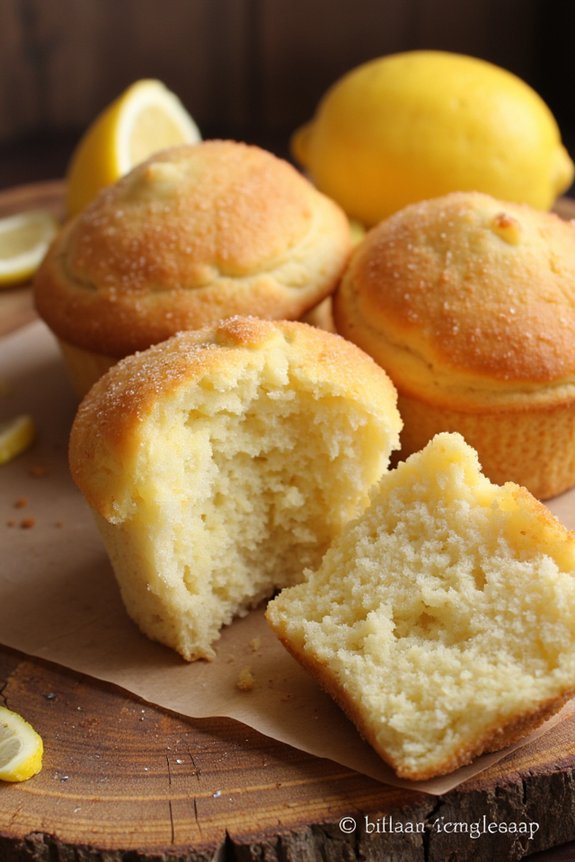
Magdalenas are a classic Spanish breakfast treat, reminiscent of fluffy, slightly sweet muffins. Originating from Spain, these delightful pastries are often enjoyed with a morning coffee or hot chocolate. Magdalenas are known for their light texture and subtle citrus flavor, making them a perfect way to start your day on a bright note.
With their golden-brown tops and airy interiors, these muffins are as pleasing to the eye as they’re to the palate. The secret to a perfect Magdalena lies in achieving the right balance of lightness and flavor. By using fresh ingredients and a careful baking process, you can create a batch of Magdalenas that are both tender and fragrant.
The touch of lemon zest adds a revitalizing hint of citrus, while the sugar dusting on top provides a delightful crunch. These muffins are easy to make and even more enjoyable to eat, making them a wonderful addition to any breakfast spread.
Ingredients for 4-6 servings:
- 3 large eggs
- 250g granulated sugar
- 250ml sunflower oil
- 250ml whole milk
- 350g all-purpose flour
- 1 packet of baking powder (16g)
- Zest of 1 lemon
- A pinch of salt
- Granulated sugar for sprinkling
Cooking Instructions:
- Preheat the Oven: Begin by preheating your oven to 180°C (350°F). Line a muffin tin with paper liners to prepare for the batter.
- Mix Wet Ingredients: In a large mixing bowl, beat the eggs and sugar together until the mixture becomes pale and slightly thickened. Slowly add in the sunflower oil and milk, continuing to whisk until all liquids are well combined.
- Incorporate Dry Ingredients: In another bowl, sift together the flour, baking powder, and salt. Gradually add the dry ingredients into the wet mixture, stirring gently until the batter is smooth. Be careful not to over-mix, as this can make the Magdalenas dense.
- Add Lemon Zest: Stir in the lemon zest to infuse the batter with a fresh citrus aroma. This step is essential for the signature flavor of Magdalenas.
- Fill the Muffin Liners: Using a spoon or an ice cream scoop, fill each muffin liner about three-quarters full with the batter. Sprinkle a little granulated sugar on top of each to create a sweet, crunchy topping.
- Bake: Place the muffin tin in the preheated oven and bake for 20-25 minutes. The Magdalenas should rise and develop a light golden color. To check for doneness, insert a toothpick into the center; it should come out clean.
- Cool and Serve: Once baked, remove the tin from the oven and let the Magdalenas cool in the tin for a few minutes before transferring them to a wire rack. Serve warm or at room temperature.
Extra Tips:
For best results, make certain that all your ingredients are at room temperature before you start baking. This helps to create a smoother batter and results in a more consistent texture.
If you prefer a more intense lemon flavor, you can add a teaspoon of lemon juice along with the zest. Additionally, if you’re looking to add a personal touch, consider incorporating a pinch of cinnamon or a splash of vanilla extract into the batter.
These muffins can be stored in an airtight container for up to three days, maintaining their freshness and flavor. Enjoy your homemade Magdalenas with a steaming cup of coffee for the ultimate Spanish breakfast experience.
Rosquillas
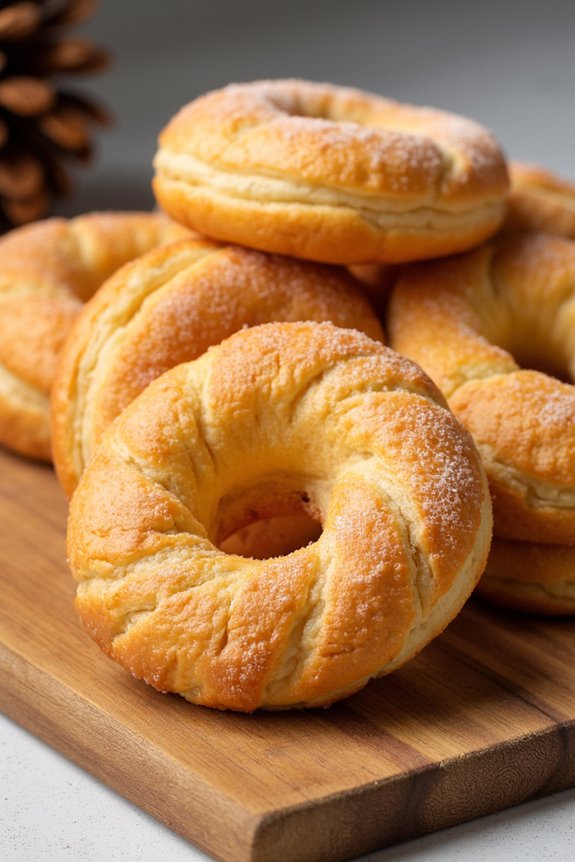
Rosquillas are a traditional Spanish treat often enjoyed during breakfast or as a snack. These delightful pastries are lightly sweetened, fried rings that are typically flavored with lemon or anise, giving them a unique and irresistible taste.
Rosquillas have a crispy exterior with a soft, airy interior, making them a perfect accompaniment to a cup of coffee or hot chocolate. Originating from various regions in Spain, each area has its own slight variation of this classic recipe, but the fundamental elements remain the same.
Making rosquillas at home is a rewarding process that fills your kitchen with the comforting aroma of freshly fried pastries. This recipe will guide you through creating a batch of these delicious rings, perfect for serving 4-6 people. Whether you’re making them for a special occasion or simply to enjoy a taste of Spain at home, these rosquillas are certain to impress.
Ingredients for Rosquillas (Serves 4-6):
- 500g all-purpose flour
- 3 large eggs
- 150g sugar
- 125ml olive oil
- 125ml milk
- Zest of 1 lemon
- 1 teaspoon baking powder
- 1 teaspoon anise extract (or 1 tablespoon anise liqueur)
- Pinch of salt
- Olive oil for frying
- Additional sugar for coating
Cooking Instructions:
- Prepare the Dough: In a large mixing bowl, beat the eggs and sugar together until well combined and slightly frothy. Add the olive oil, milk, lemon zest, and anise extract, mixing thoroughly until the ingredients are well incorporated.
- Combine Dry Ingredients: In a separate bowl, sift together the flour, baking powder, and salt. Gradually add the dry ingredients to the wet mixture, stirring continuously until a soft dough forms. The dough should be slightly sticky but manageable.
- Rest the Dough: Cover the dough with a clean kitchen towel and let it rest at room temperature for about 30 minutes. This allows the flavors to meld and the dough to become easier to handle.
- Shape the Rosquillas: Lightly flour your hands and a clean work surface. Take small portions of the dough and roll them into thin ropes, approximately 15 cm in length. Join the ends of each rope to form a ring, pressing firmly to guarantee they hold shape during frying.
- Heat the Oil: In a large, deep frying pan, heat olive oil to 180°C (350°F). The oil should be deep enough to fully submerge the rosquillas.
- Fry the Rosquillas: Carefully place a few rosquillas into the hot oil at a time, being careful not to overcrowd the pan. Fry them until golden brown, about 2-3 minutes per side. Use a slotted spoon to remove them from the oil and transfer them to a plate lined with paper towels to drain excess oil.
- Coat with Sugar: While the rosquillas are still warm, roll them in sugar to coat evenly.
- Serve and Enjoy: Serve the rosquillas warm or at room temperature. They’re delicious on their own or paired with a warm beverage.
Extra Tips:
For the best results, verify your oil is at the correct temperature before frying, as too low a temperature will result in greasy rosquillas while too high may burn them.
If you prefer a more pronounced anise flavor, you can increase the amount of anise extract or liqueur. Additionally, experiment with different coatings such as cinnamon sugar for a unique twist.
Rosquillas are best enjoyed fresh, but they can be stored in an airtight container for up to two days.
Torrijas
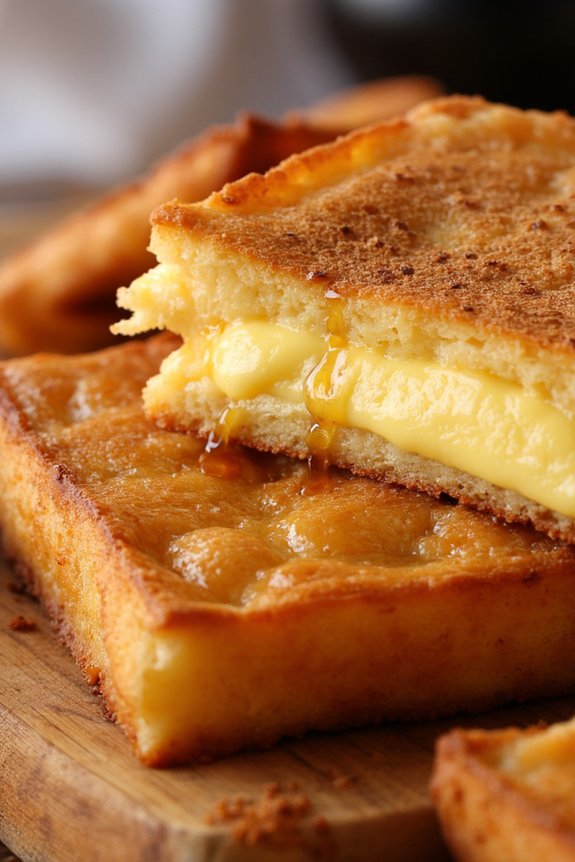
Torrijas are a traditional Spanish breakfast treat, similar to French toast but with a unique twist that makes them irresistible. This delicious dish dates back to the 15th century and is especially popular during Holy Week (Semana Santa) in Spain. Torrijas are typically made by soaking stale bread in a mixture of milk, sugar, and spices, then frying it to golden perfection. The result is a sweet, custardy inside with a crispy, caramelized outside that makes for a delightful start to your day.
Making Torrijas is a simple process that captures the essence of traditional Spanish cooking—utilizing basic ingredients to create something extraordinary. The key to Torrijas is the right balance of flavors and textures, achieved by using stale bread to absorb the rich, spiced milk mixture and frying it in hot oil until it’s beautifully golden brown.
They’re often finished with a sprinkle of cinnamon and sugar, adding a final touch of sweetness that appeals to all ages. Whether you’re enjoying them for breakfast or as a dessert, Torrijas are sure to become a favorite in your culinary repertoire.
Ingredients for 4-6 servings:
- 1 loaf of stale bread (preferably a baguette or similar)
- 4 cups whole milk
- 1 cup granulated sugar
- 1 cinnamon stick
- Zest of 1 lemon
- 4 large eggs
- Vegetable oil (for frying)
- Ground cinnamon (for dusting)
- Honey or sugar syrup (optional, for drizzling)
Cooking Instructions:
- Prepare the Milk Mixture: In a medium saucepan, combine the milk, sugar, cinnamon stick, and lemon zest. Heat over medium heat until it just begins to simmer. Remove from heat and let it cool to room temperature. This allows the flavors to infuse into the milk.
- Slice the Bread: While the milk is cooling, slice the stale bread into thick slices, about 1 inch thick. Stale bread is essential as it absorbs the milk mixture without becoming too soggy.
- Soak the Bread: Once the milk mixture has cooled, remove the cinnamon stick and pour the milk into a shallow dish. Submerge the bread slices in the milk, letting them soak for about 5 minutes on each side, or until they’re thoroughly saturated but not falling apart.
- Prepare the Eggs: In a separate shallow dish, beat the eggs until well combined.
- Heat the Oil: Fill a large frying pan with about an inch of vegetable oil. Heat over medium-high heat until it reaches around 350°F (175°C).
- Fry the Torrijas: Dip each milk-soaked bread slice into the beaten eggs, ensuring they’re completely coated. Carefully place the slices into the hot oil and fry until golden brown on each side, about 2-3 minutes per side. Don’t overcrowd the pan; fry in batches if necessary.
- Drain and Finish: Remove the Torrijas from the oil and place them on a plate lined with paper towels to drain. While they’re still warm, dust with ground cinnamon and additional sugar if desired. Drizzle with honey or sugar syrup for extra sweetness.
Extra Tips:
When making Torrijas, it’s important to use bread that’s a day or two old. Fresh bread can become too soft and fall apart during soaking. If your bread is too fresh, you can slice it and let it sit out for a few hours to dry.
Additionally, controlling the oil temperature is essential; if the oil is too cool, the Torrijas will absorb too much oil and become greasy, while oil that’s too hot will burn the outside before the inside is fully cooked.
Finally, feel free to experiment with different spices or flavored syrups to customize your Torrijas to your liking. Enjoy them warm for the best flavor and texture!
Leche Merengada
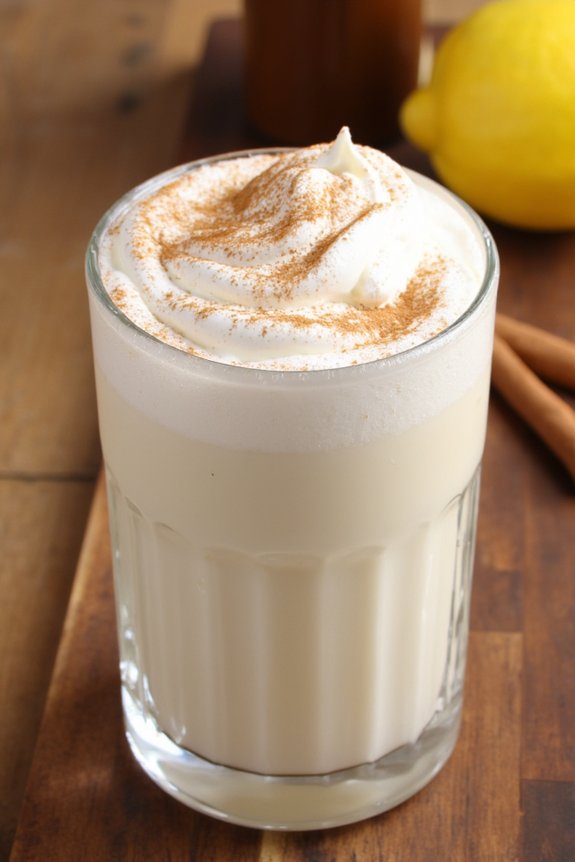
Leche Merengada is a classic Spanish beverage that’s both invigorating and indulgent, perfect for a breakfast treat or a midday pick-me-up. Its origins can be traced back to the Mediterranean coast of Spain, where it’s traditionally enjoyed in the hot summer months. This drink is a delightful blend of milk, sugar, cinnamon, and lemon, topped with a fluffy meringue. The result is a creamy, sweet drink with a hint of citrus and spice that captivates the palate.
To prepare Leche Merengada, you’ll start by infusing milk with aromatic flavors, creating a fragrant base for the drink. The addition of meringue adds a light and airy texture, transforming this simple milk drink into a luxurious treat. This recipe is designed to serve 4-6 people, making it perfect for family breakfasts or gatherings with friends.
Ingredients for 4-6 servings:
- 1 liter of whole milk
- 1 cup of granulated sugar
- 1 cinnamon stick
- Peel of 1 lemon (avoid the white pith)
- 4 egg whites
- 1/4 teaspoon of cream of tartar
- Ground cinnamon for garnish (optional)
Instructions:
- Infuse the Milk: In a large saucepan, combine the whole milk, half of the granulated sugar, the cinnamon stick, and the lemon peel. Place the saucepan over medium heat and bring the mixture to a gentle simmer. Stir occasionally, and allow it to simmer for about 10 minutes. This will infuse the milk with the flavors of cinnamon and lemon.
- Cool and Strain the Milk: Remove the saucepan from the heat and let the milk cool to room temperature. Once cooled, strain the milk through a fine-mesh sieve to remove the cinnamon stick and lemon peel. Transfer the strained milk to a large bowl or pitcher and refrigerate until thoroughly chilled.
- Prepare the Meringue: In a clean, dry mixing bowl, beat the egg whites with an electric mixer on medium speed until they become frothy. Add the cream of tartar and continue to beat until soft peaks form. Gradually add the remaining sugar, a tablespoon at a time, while continuing to beat the egg whites until stiff peaks form and the meringue is glossy.
- Combine Milk and Meringue: Gently fold the prepared meringue into the chilled milk mixture, using a spatula. Stir until the meringue is well incorporated and the mixture is light and airy.
- Serve: Pour the Leche Merengada into chilled glasses. If desired, sprinkle a pinch of ground cinnamon on top as a garnish. Serve immediately for the best flavor and texture.
Extra Tips:
For a richer version of Leche Merengada, you can substitute part of the whole milk with cream. Confirm the milk mixture is completely chilled before adding the meringue to maintain the drink’s invigorating quality.
Be careful not to over-mix the meringue into the milk to preserve its airy texture. If you prefer a less sweet drink, adjust the amount of sugar to your taste. This delightful Spanish treat is best enjoyed fresh, so prepare it just before serving.
Bizcocho
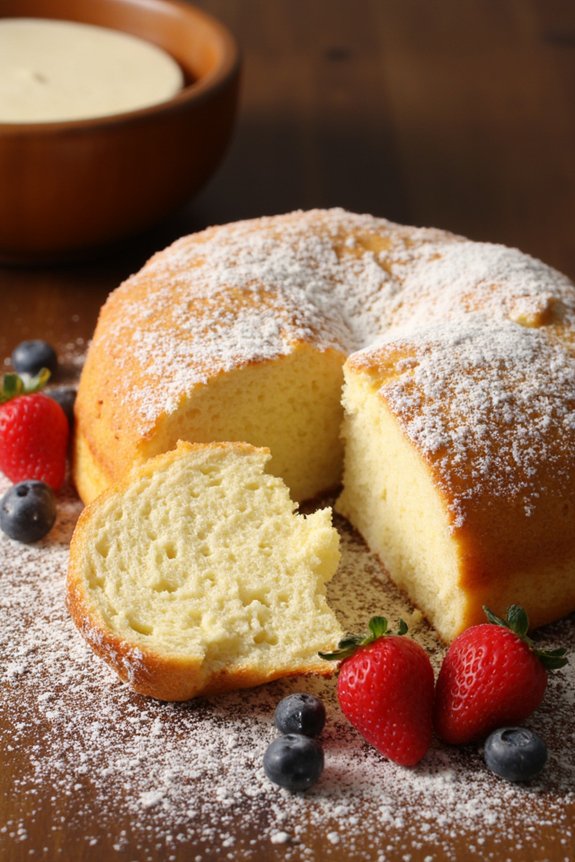
Bizcocho is a delightful Spanish sponge cake that perfectly complements a morning cup of coffee or hot chocolate. Its light and airy texture, combined with a subtle hint of citrus, makes it a beloved breakfast treat throughout Spain. Traditionally enjoyed plain, this versatile cake can also be adorned with powdered sugar, or served with fresh fruits or a dollop of whipped cream for added sweetness and flavor.
Originating from the Andalusian region, Bizcocho has become a staple in many Spanish households, celebrated for its simplicity and delectable taste. The beauty of Bizcocho lies in its straightforward preparation and the use of basic pantry ingredients, making it an accessible recipe for home bakers of all skill levels.
This particular recipe yields a cake that’s soft and moist, with a golden crust that’s utterly irresistible. Whether you’re looking to recreate a taste of Spain in your kitchen or simply searching for a comforting breakfast option, this Bizcocho recipe is bound to delight. Enjoy it fresh out of the oven or save a slice for later; either way, its deliciousness is sure to impress.
Ingredients for 4-6 Servings:
- 1 cup granulated sugar
- 4 large eggs
- 1 cup all-purpose flour
- 1 teaspoon baking powder
- 1/2 cup vegetable oil
- 1/2 cup milk
- Zest of 1 lemon
- 1 teaspoon vanilla extract
- A pinch of salt
Cooking Instructions:
- Preheat the Oven: Begin by preheating your oven to 350°F (175°C). Grease a 9-inch round cake pan with butter or non-stick spray and lightly dust it with flour to prevent sticking.
- Mix the Wet Ingredients: In a large mixing bowl, beat the eggs and sugar together using an electric mixer at medium speed until the mixture is pale and fluffy. This should take about 3-5 minutes. Add in the vegetable oil, milk, lemon zest, and vanilla extract, and continue to mix until well combined.
- Combine the Dry Ingredients: In a separate bowl, whisk together the flour, baking powder, and salt. Gradually add the dry ingredients to the wet mixture, gently folding them in with a spatula until no lumps remain. Be careful not to overmix, as this can affect the cake’s texture.
- Bake the Cake: Pour the batter into the prepared cake pan, smoothing the top with a spatula. Place the pan in the preheated oven and bake for 25-30 minutes or until a toothpick inserted into the center comes out clean. The cake should have a light golden color on top.
- Cool and Serve: Once baked, remove the cake from the oven and allow it to cool in the pan for about 10 minutes. Transfer the cake to a wire rack to cool completely before slicing and serving. Optionally, dust with powdered sugar before serving.
Extra Tips:
For the best results, verify all ingredients are at room temperature before beginning the recipe. This will help the batter mix more evenly and lead to a lighter cake texture.
If desired, you can substitute the lemon zest with orange zest for a different citrus flavor. Additionally, be sure to avoid opening the oven door during the initial 20 minutes of baking, as this can cause the cake to deflate.
For a decorative touch, consider garnishing with thin lemon slices or fresh berries. Enjoy your homemade Bizcocho with a steaming cup of coffee or a cool glass of milk for a true Spanish breakfast experience.
Piononos
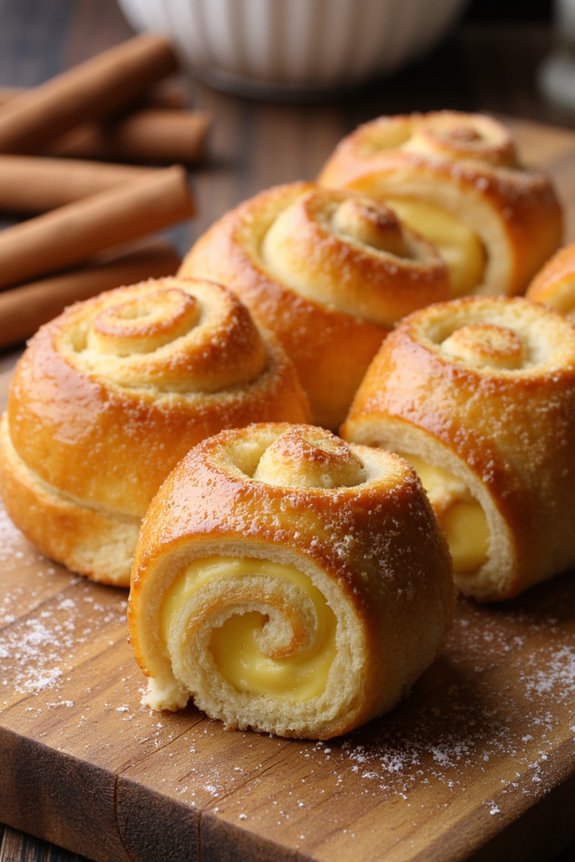
Piononos are a delightful Spanish pastry originating from the region of Granada. Traditionally enjoyed as a sweet treat, these small rolls are made with a thin sponge cake filled with a creamy custard, then rolled into a spiral. The rolls are typically topped with a caramelized sugar glaze, adding a delightful crunch to the soft and creamy interior.
These delightful morsels are perfect for a special breakfast or brunch and will bring a touch of Spanish flair to your morning meal.
To create these delicious piononos, it’s important to focus on the balance of textures and flavors. The sponge cake should be light and airy, providing a delicate base for the rich custard filling. The custard, often flavored with cinnamon and vanilla, offers a creamy contrast to the cake, while the caramelized sugar on top adds a satisfying crunch.
When served, piononos should be warm, allowing the flavors to meld beautifully, creating a memorable breakfast experience.
Ingredients for 4-6 servings:
- 4 large eggs
- 100g granulated sugar
- 100g all-purpose flour
- 1 teaspoon vanilla extract
- 200ml whole milk
- 3 tablespoons cornstarch
- 1 teaspoon ground cinnamon
- 50g butter
- 3 tablespoons powdered sugar
- 2 tablespoons water
Cooking Instructions:
- Preheat and Prepare Baking Sheet: Preheat your oven to 180°C (350°F). Line a baking sheet with parchment paper to prevent sticking.
- Make the Sponge Cake: Separate the egg whites from the yolks. In a large mixing bowl, beat the egg whites until stiff peaks form. Gradually add the granulated sugar while continuing to beat until the mixture is glossy. Gently fold in the egg yolks and vanilla extract. Sift the flour over the mixture and fold it in carefully to maintain the airiness. Spread the batter evenly on the prepared baking sheet.
- Bake the Sponge Cake: Place the baking sheet in the oven and bake for 8-10 minutes or until the cake is lightly golden and springs back when touched.
- Prepare the Custard Filling: In a saucepan, combine the milk, cornstarch, and ground cinnamon. Cook over medium heat, stirring constantly, until the mixture thickens. Remove from heat and stir in the butter until melted and smooth. Set aside to cool slightly.
- Assemble the Piononos: Once the sponge cake is cool, carefully peel it off the parchment paper. Spread a thin layer of the custard filling over the entire surface of the cake. Roll the cake into a tight log starting from one of the short sides.
- Cut and Caramelize: Cut the rolled cake into 2-inch pieces. Place them upright on a clean baking sheet. Sprinkle the tops with powdered sugar, then gently drizzle with water. Use a kitchen torch or a very hot broiler to caramelize the tops until they form a golden crust.
- Serve: Serve the piononos warm for the best flavor and texture.
Extra Tips:
To enhance the flavor of your piononos, consider infusing the custard with additional spices such as nutmeg or a hint of citrus zest. When rolling the sponge cake, do so gently to avoid cracking.
If you don’t have a kitchen torch, broiling the tops requires close attention to prevent burning. Finally, for a more decadent version, drizzle with a bit of dark chocolate before serving. Enjoy your delicious Spanish breakfast treat!
Arroz Con Leche
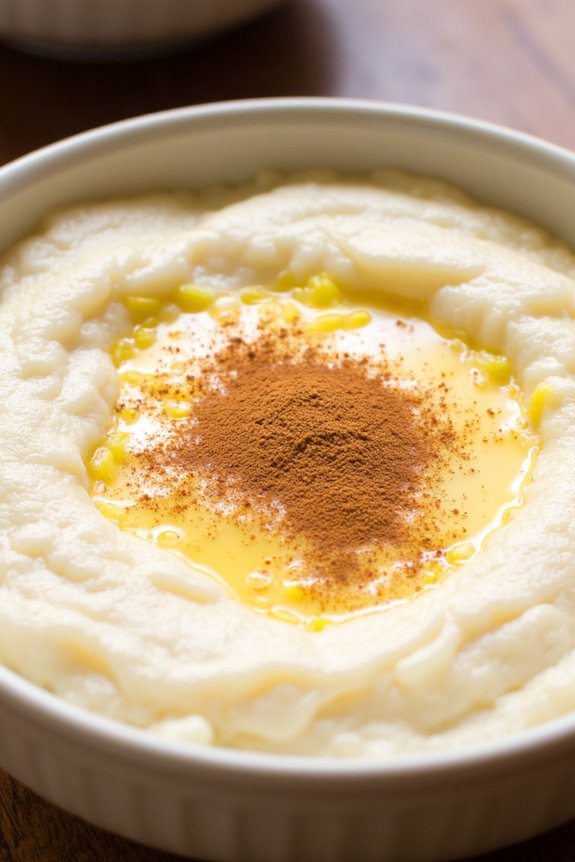
Arroz Con Leche, a traditional Spanish rice pudding, is a delectable comfort food enjoyed by many. This creamy, cinnamon-infused dish is perfect for breakfast or as a sweet treat any time of the day. The combination of milk, sugar, and rice creates a rich and indulgent flavor that’s both satisfying and heartwarming.
Originating from Spain, this dish has made its way into various cultures, each adding their own unique twist, but the classic Spanish version remains a favorite for its simplicity and taste.
This recipe serves 4-6 people, making it perfect for family gatherings or sharing with friends. The ingredients are simple and likely already in your pantry, allowing you to whip up this delightful dessert without much hassle. The key to a successful Arroz Con Leche is patience, as the rice needs time to absorb the milk and flavors fully, resulting in a creamy and luscious pudding.
Follow these instructions, and you’ll have a delicious dish that’s sure to impress.
Ingredients:
- 1 cup of short-grain rice
- 4 cups of whole milk
- 1 cup of water
- 1 cup of granulated sugar
- 1 cinnamon stick
- A pinch of salt
- Zest of 1 lemon
- Ground cinnamon for garnish (optional)
Cooking Instructions:
- Rinse the Rice: Begin by rinsing the rice under cold running water until the water runs clear. This helps remove excess starch and prevents the pudding from becoming too sticky.
- Cook the Rice: In a large saucepan, combine the rinsed rice with 1 cup of water and a pinch of salt. Bring it to a boil over medium heat, then reduce the heat to low. Cover and let it simmer until the water is absorbed, about 10 minutes.
- Add Milk and Cinnamon: Once the water is absorbed, add the whole milk, cinnamon stick, and lemon zest to the rice. Stir well to combine. Increase the heat to medium and bring the mixture to a gentle boil.
- Simmer the Pudding: Reduce the heat to low and let the mixture simmer uncovered. Stir frequently to prevent the rice from sticking to the bottom of the pan. Continue simmering until the rice is tender and the mixture has thickened, about 30-40 minutes.
- Sweeten the Pudding: Once the desired consistency is reached, remove the cinnamon stick and stir in the cup of granulated sugar. Continue stirring until the sugar has completely dissolved and incorporated.
- Serve and Garnish: Once done, remove the pan from the heat. Allow it to cool slightly before serving. For an extra touch of flavor, sprinkle ground cinnamon over each serving.
Extra Tips:
To guarantee your Arroz Con Leche achieves the perfect creamy consistency, consider using short-grain rice like Arborio, which absorbs liquids well and releases starch, creating a creamy texture.
Monitor the heat closely; too high a temperature can cause the milk to scorch. If the pudding thickens too much as it cools, simply stir in a little more milk to reach your preferred consistency.
Finally, experiment with garnishes like raisins or a drizzle of caramel for an added touch of sweetness.
Flan De Huevo
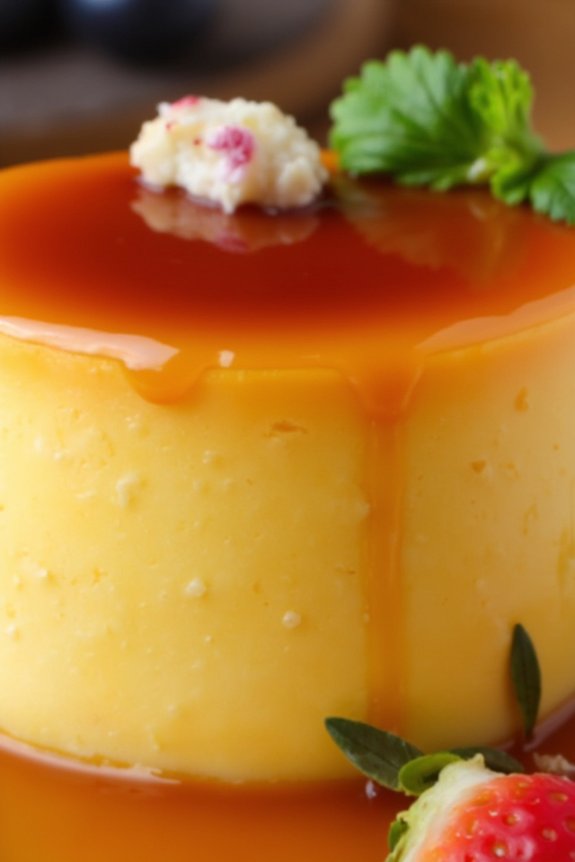
Flan De Huevo is a classic Spanish dessert that’s often enjoyed as a sweet treat during breakfast or as a delightful conclusion to a meal. This creamy custard is known for its rich, silky texture and its beautiful caramel topping, which adds a hint of sweetness.
Originating from Spain, Flan De Huevo has become a beloved dish across the globe, admired for its simplicity and elegance. Perfectly balanced in flavor, this dessert is a demonstration of the art of using simple ingredients to create something truly special.
Traditionally, Flan De Huevo is made with a few basic ingredients that you likely already have in your kitchen. The preparation involves creating a luscious custard base made from eggs, milk, and sugar, which is then baked to perfection in a water bath. The addition of a golden caramel sauce, made by melting sugar, gives the flan its signature glossy finish.
Whether you’re serving it at a breakfast gathering or enjoying it as a solo indulgence, Flan De Huevo is sure to impress with its delicate taste and texture.
Ingredients for 4-6 servings:
- 6 large eggs
- 1 cup of granulated sugar
- 3 cups of whole milk
- 1 tablespoon of vanilla extract
- 1/2 cup of granulated sugar (for caramel)
Cooking Instructions:
- Prepare the Caramel:
- In a small saucepan over medium heat, add 1/2 cup of granulated sugar.
- Allow the sugar to melt without stirring, swirling the pan occasionally until it turns into a deep amber color.
- Quickly pour the caramel into a 9-inch round baking dish, tilting the dish to coat the bottom evenly. Set aside to let it harden.
- Make the Custard:
- In a large mixing bowl, whisk the 6 eggs until they’re well beaten.
- Add 1 cup of granulated sugar to the eggs and mix until the sugar is fully dissolved.
- Gradually whisk in 3 cups of whole milk and 1 tablespoon of vanilla extract until the mixture is smooth and well combined.
- Combine Custard with Caramel:
- Pour the custard mixture over the hardened caramel in the baking dish.
- Bake the Flan:
- Preheat your oven to 350°F (175°C).
- Place the baking dish in a larger baking pan. Fill the larger pan with hot water to reach halfway up the sides of the flan dish, creating a water bath.
- Carefully transfer to the preheated oven and bake for about 50-60 minutes, or until the flan is set but still slightly jiggly in the center.
- Cool and Serve:
- Remove the flan from the oven and from the water bath. Allow it to cool to room temperature.
- Refrigerate for at least 4 hours, or overnight, to confirm it’s thoroughly chilled.
- To serve, run a knife around the edges of the flan to loosen it. Invert a serving plate over the dish and flip them together to release the flan onto the plate, allowing the caramel to flow over the top.
Extra Tips:
When making the caramel, be cautious not to let it burn, as it can quickly turn from perfect to burnt. Swirl the pan gently and keep an eye on the color.
For a creamier texture, you can substitute half of the milk with heavy cream. If you prefer a deeper vanilla flavor, consider adding a vanilla bean to the milk while it heats, then remove it before combining with the eggs.
Sobao Pasiego
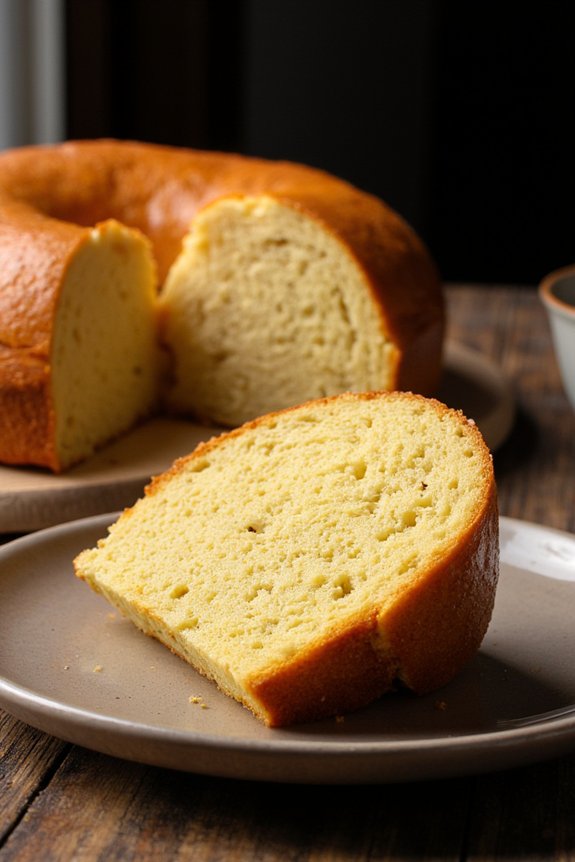
Sobao Pasiego is a traditional Spanish breakfast treat hailing from the beautiful region of Cantabria. This rich and buttery cake is known for its simplicity and distinct flavor that comes from using high-quality ingredients. Typically enjoyed with a hot beverage, such as coffee or hot chocolate, Sobao Pasiego is a delightful way to start your morning or serve as a sweet snack any time of the day.
Its origins can be traced back to the need for an indulgent yet straightforward treat that could be made with readily available ingredients, resulting in a culinary staple that has stood the test of time.
The texture of Sobao Pasiego is similar to a pound cake but with a unique buttery taste that makes it irresistibly delicious. This recipe is designed to serve 4-6 people, making it perfect for sharing with family or friends. The secret to achieving the perfect Sobao lies in the balance of its ingredients, all of which should be incorporated with care to guarantee a light and fluffy cake.
Whether you’re familiar with Spanish cuisine or new to it, this recipe offers a wonderful opportunity to explore the delightful flavors of Cantabria.
Ingredients (Serves 4-6):
- 250 grams of unsalted butter, softened
- 250 grams of granulated sugar
- 3 large eggs
- 1 tablespoon of honey
- 250 grams of all-purpose flour
- 1 teaspoon of baking powder
- A pinch of salt
- Lemon zest from 1 lemon
Cooking Instructions:
- Preheat your oven: Begin by preheating your oven to 180°C (350°F). This guarantees that the oven reaches the right temperature by the time you’re ready to bake the Sobao.
- Prepare the baking pan: Line a rectangular baking pan (approximately 20×20 cm) with parchment paper. This will prevent the Sobao from sticking and allow for easy removal after baking.
- Cream the butter and sugar: In a large mixing bowl, beat the softened butter and granulated sugar together using an electric mixer until the mixture is light and fluffy, which should take about 3-4 minutes.
- Add eggs and honey: Gradually add the eggs, one at a time, beating well after each addition. Once the eggs are fully incorporated, add the tablespoon of honey and mix until combined.
- Mix in dry ingredients: In a separate bowl, sift together the all-purpose flour, baking powder, and a pinch of salt. Gradually add the dry ingredients to the wet mixture, stirring gently until just combined.
- Add lemon zest: Fold in the lemon zest, ensuring it’s evenly distributed throughout the batter.
- Pour into pan and bake: Pour the batter into the prepared baking pan, smoothing the top with a spatula. Bake in the preheated oven for 30-35 minutes, or until the top is golden brown and a toothpick inserted into the center comes out clean.
- Cool and serve: Once baked, remove the Sobao from the oven and allow it to cool in the pan for about 10 minutes. Transfer to a wire rack to cool completely before slicing and serving.
Extra Tips:
To guarantee the best results, make sure your butter is at room temperature before you begin. This will help it cream easily with the sugar, resulting in a smoother batter.
If you prefer a slightly different flavor, you can experiment by adding a touch of vanilla extract or substituting the lemon zest with orange zest for a citrusy twist.
Finally, enjoying Sobao Pasiego with a cup of freshly brewed coffee or hot chocolate enhances its flavors, making for a perfect combination at breakfast or as a comforting snack.
Leche Frita
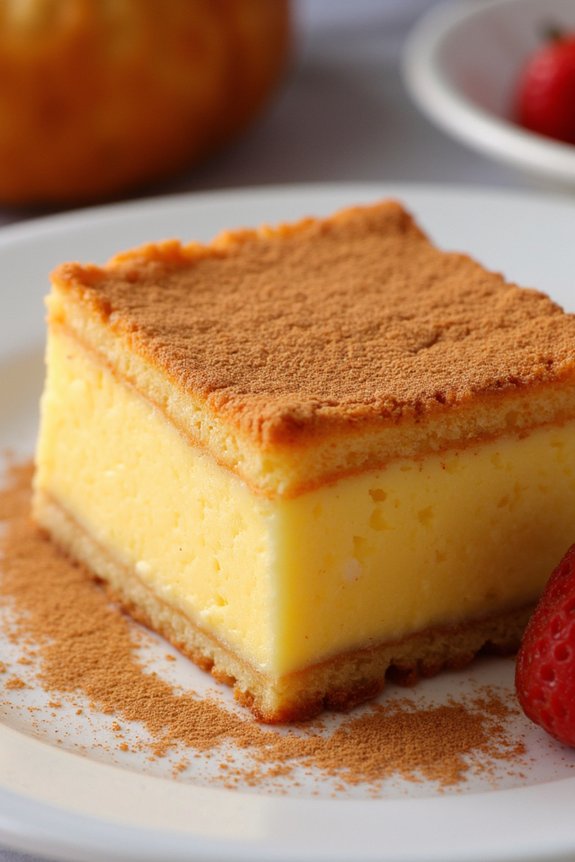
Leche Frita, a delightful Spanish dessert, is a perfect choice for a sweet and satisfying breakfast treat. Literally translated as “fried milk,” this dish features a creamy milk pudding that’s coated in a crispy layer after being fried to golden perfection.
Originating from the northern regions of Spain, Leche Frita offers a unique combination of textures and flavors that make it an irresistible choice for breakfast or brunch. Its silky interior with a crunchy exterior is often dusted with sugar and cinnamon, providing a comforting and indulgent start to the day.
The preparation of Leche Frita involves creating a thick milk custard that’s allowed to set before being cut into squares, coated with flour and egg, and then fried. This dish isn’t only a feast for the taste buds but also a visual delight, with its golden-brown crust. A sprinkle of cinnamon and sugar adds an aromatic finish that complements the creamy interior beautifully.
Perfect for serving a group of 4-6 people, Leche Frita is an inviting dish that brings a touch of Spanish tradition to the breakfast table.
Ingredients for 4-6 servings:
- 1 liter of whole milk
- 150 grams of granulated sugar
- 120 grams of all-purpose flour
- 1 cinnamon stick
- The peel of 1 lemon
- 1 pinch of salt
- 3 large eggs
- Additional flour for coating
- Vegetable oil for frying
- Ground cinnamon for sprinkling
- Extra granulated sugar for sprinkling
Cooking Instructions:
- Prepare the Milk Mixture: In a saucepan, pour in 800 ml of the milk, add the cinnamon stick, lemon peel, and a pinch of salt. Heat the milk over medium heat until it begins to simmer. Turn off the heat and let it infuse for about 15 minutes, allowing the flavors to meld.
- Create the Custard Base: In a separate bowl, whisk together the sugar and 120 grams of flour until well combined. Gradually add the remaining 200 ml of cold milk to the flour mixture, stirring continuously to avoid lumps. Strain the infused milk into this mixture, discarding the cinnamon stick and lemon peel.
- Cook the Custard: Return the mixture to a saucepan and cook over medium heat, stirring constantly until the mixture thickens and reaches a custard-like consistency. This should take about 10-15 minutes. Once thickened, pour the custard into a lightly greased rectangular or square dish and smooth the top. Allow it to cool to room temperature before refrigerating for at least 4 hours or until set firm.
- Prepare for Frying: Once the custard is firm, cut it into squares or rectangles. Set up a breading station with one plate of flour and another bowl with beaten eggs.
- Coat the Custard: Dip each piece of custard first into the flour, ensuring it’s completely coated, and then into the beaten eggs.
- Fry the Custard: Heat about 1 inch of vegetable oil in a frying pan over medium heat. Once hot, fry the coated custard pieces in batches, turning occasionally, until they’re golden brown on all sides. Remove them with a slotted spoon and drain on paper towels.
- Serve: While the Leche Frita is still warm, sprinkle generously with cinnamon and sugar. Serve immediately for best results.
Extra Tips:
For a deeper flavor, try using vanilla extract in place of or in addition to the cinnamon. If the custard seems too soft to handle, popping it into the freezer for a short time can make it easier to cut and coat.
Leftovers can be stored in the refrigerator and reheated in an oven to revive some of the crispness. Enjoy experimenting with different coatings, such as crushed nuts or coconut flakes, to add variety to this classic treat.
