

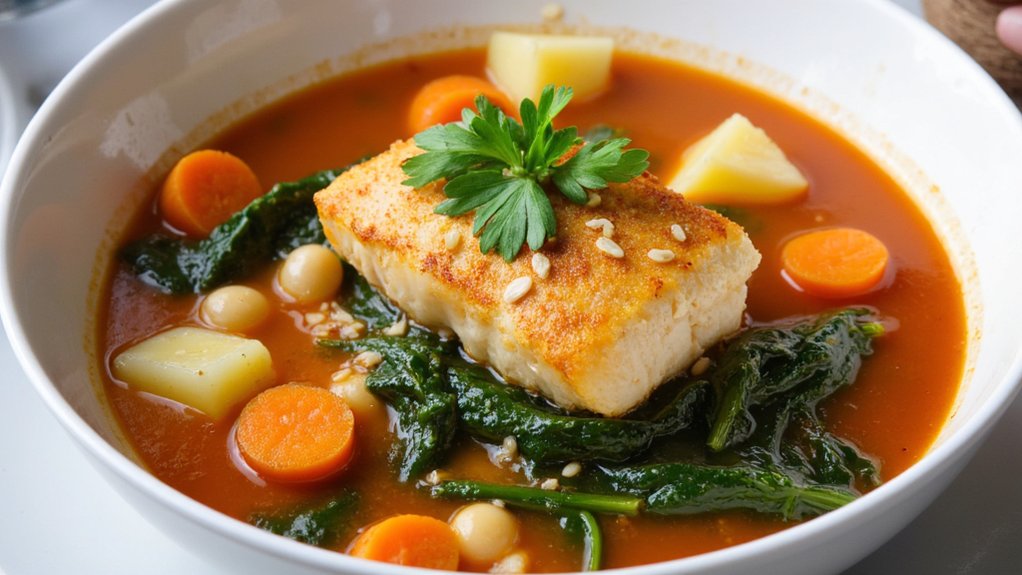
When the chill of fall sets in, there’s nothing quite like a steaming bowl of Spanish stew to cozy up your evening. These heartwarming recipes, from the rich flavors of chorizo in Fabada Asturiana to the aromatic lamb in Caldereta de Cordero, are sure to delight. Each stew tells its own story of Spain’s vibrant culinary traditions. Perfect for savoring with family or friends around the table. Ready to explore these comforting recipes?
Fabada Asturiana: A Hearty Bean Stew
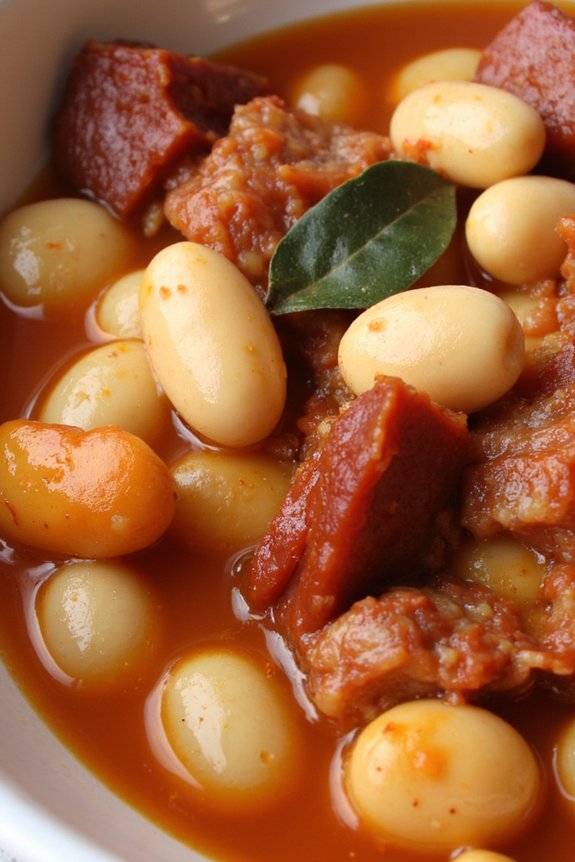
Fabada Asturiana is a traditional Spanish dish originating from the region of Asturias. Known for its rich and hearty flavors, this bean stew is a staple in Spanish cuisine, especially during the colder months.
It’s primarily prepared with large white beans, or “fabes,” and is infused with the distinctive taste of various pork products such as chorizo, morcilla (Spanish blood sausage), and pancetta, making it a robust and satisfying meal. Slow-cooked to perfection, Fabada Asturiana is a comforting dish that captures the essence of Spanish home cooking.
Fabada Asturiana is best enjoyed with family or friends, making it an ideal dish for gatherings. The slow cooking process allows the flavors to meld together, creating a deeply satisfying stew that warms the soul.
While it might seem like a complex dish due to its rich ingredients, the preparation is straightforward and well worth the effort. The key is to use high-quality ingredients and to cook it with patience to guarantee the beans are tender and the flavors are fully developed.
Ingredients (Serves 4-6)
- 500 grams dried white beans (fabes)
- 2 chorizo sausages
- 2 morcilla sausages
- 200 grams pancetta or salt pork
- 1 onion
- 2 cloves garlic
- 1 bay leaf
- 1 teaspoon sweet paprika
- Salt to taste
- Water
Cooking Instructions
- Soak the Beans: Start by soaking the dried white beans in plenty of water overnight or for at least 8 hours. This will help soften them and reduce the cooking time.
- Prepare the Ingredients: The next day, drain and rinse the beans. Peel and finely chop the onion and garlic. Cut the chorizo, morcilla, and pancetta into chunks.
- Initial Cooking: In a large pot, place the soaked beans and cover them with cold water. Add the chopped onion, garlic, bay leaf, and sweet paprika to the pot. Bring it to a slow boil over medium-high heat.
- Add the Meats: Once the water begins to boil, add the chorizo, morcilla, and pancetta. Reduce the heat to low, allowing the stew to simmer gently. Skim off any foam that appears on the surface.
- Simmer the Stew: Cover the pot partially with a lid and let the stew simmer for about 2 to 2.5 hours, or until the beans are tender. Stir occasionally and add more water if necessary to keep the beans covered.
- Season and Serve: Once the beans are tender, taste the stew and add salt as needed. Allow the stew to rest for a few minutes before serving. Enjoy your Fabada Asturiana with crusty bread for an authentic experience.
Extra Tips
When cooking Fabada Asturiana, it’s important to keep the heat low and steady during the simmering process. This will prevent the beans from breaking apart and guarantee they absorb the flavors of the meats.
It’s also advisable to use good quality Spanish chorizo and morcilla to achieve the authentic flavors of the dish. If you prefer a thicker stew, you can mash a few of the beans against the side of the pot towards the end of cooking.
Finally, like many stews, Fabada Asturiana often tastes even better the next day, so don’t hesitate to prepare it in advance.
Rabo De Toro: Oxtail Stew With Rich Flavors
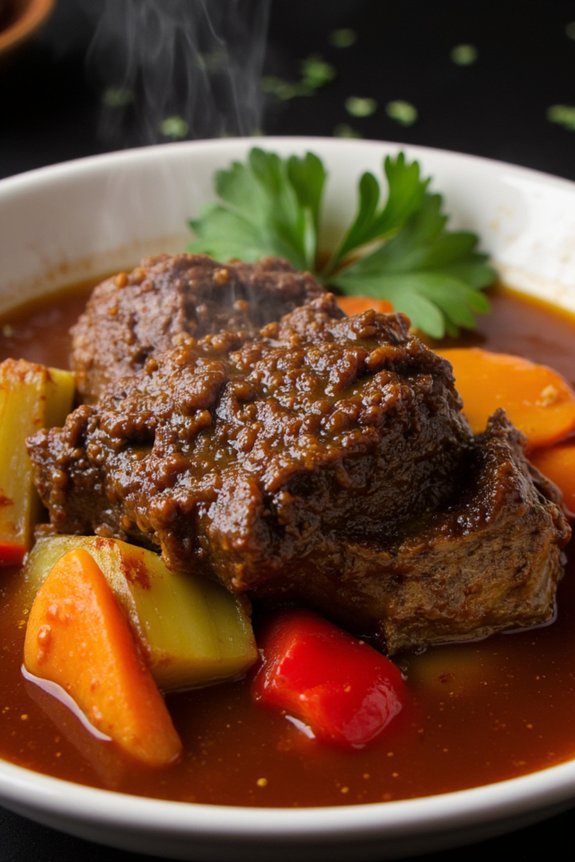
Rabo De Toro, or Oxtail Stew, is a traditional Spanish dish that originated in Andalusia, though it has become beloved throughout the country. This stew is known for its hearty and rich flavors, combining the succulent texture of oxtail with a medley of aromatic vegetables and robust spices. The dish is often associated with bullfighting festivals, where it was originally prepared using the tails of bulls killed in the ring.
Over time, Rabo De Toro has evolved into a comforting and indulgent meal, perfect for a chilly evening or a festive gathering. The key to a delicious Rabo De Toro is slow cooking, which allows the oxtail to become tender and the flavors to meld beautifully. The preparation involves braising the meat with red wine, stock, and a variety of vegetables until the meat falls off the bone.
This process not only infuses the dish with complex flavors but also creates a thick, savory sauce that’s perfect for mopping up with crusty bread. Serve this dish with a side of potatoes or rice to soak up the delicious sauce, and you have a meal that will transport you straight to the heart of Spain.
Ingredients (Serves 4-6):
- 3 pounds of oxtail, cut into pieces
- 2 tablespoons olive oil
- 1 large onion, chopped
- 2 carrots, sliced
- 2 celery stalks, chopped
- 4 cloves of garlic, minced
- 1 red bell pepper, chopped
- 1 cup red wine
- 2 cups beef stock
- 2 tablespoons tomato paste
- 2 bay leaves
- 1 teaspoon smoked paprika
- Salt and pepper to taste
- Fresh parsley, chopped (for garnish)
Cooking Instructions:
- Prepare the Oxtail: Season the oxtail pieces with salt and pepper. Heat olive oil in a large heavy-bottomed pot over medium-high heat. Brown the oxtail pieces on all sides, working in batches if necessary, to avoid overcrowding the pot. Remove the oxtail and set aside.
- Sauté the Vegetables: In the same pot, add the chopped onion, carrots, celery, and red bell pepper. Sauté for about 5-7 minutes until the vegetables are softened. Add the minced garlic and cook for another minute until fragrant.
- Deglaze the Pot: Pour in the red wine to deglaze the pot, scraping up any browned bits from the bottom. Let it simmer for about 3 minutes to reduce slightly.
- Add the Liquids and Spices: Stir in the tomato paste, beef stock, bay leaves, and smoked paprika. Return the browned oxtail to the pot. Stir everything well to combine.
- Simmer the Stew: Bring the stew to a gentle simmer. Cover the pot and reduce the heat to low. Let it cook for about 3-4 hours, or until the oxtail is tender and the meat is falling off the bone. Stir occasionally and adjust seasoning with salt and pepper as needed.
- Finish and Serve: Once cooked, remove the bay leaves. Garnish with freshly chopped parsley before serving. Serve hot with crusty bread, potatoes, or rice to soak up the rich sauce.
Extra Tips:
For the best results, try making the stew a day in advance. The flavors develop and deepen when the stew is allowed to rest overnight.
If you prefer a thicker sauce, you can remove the oxtail once tender and reduce the sauce further over medium heat until it reaches your desired consistency. Additionally, using a good quality red wine will enhance the overall flavor of your stew. Enjoy your Rabo De Toro with a glass of the same wine for an authentic Spanish dining experience.
Caldo Gallego: Traditional Galician Stew
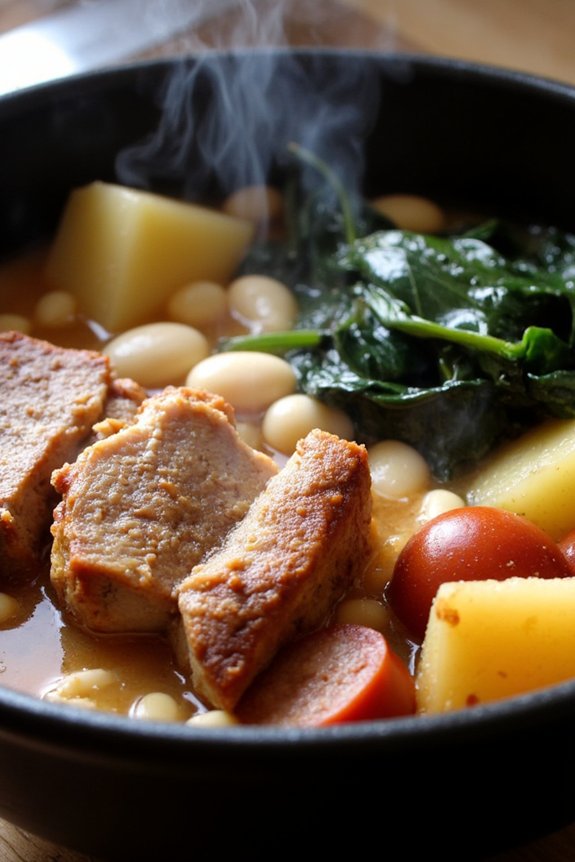
Caldo Gallego is a classic and hearty stew from the Galicia region of Spain. Known for its robust flavors and nourishing ingredients, this dish is perfect for warming up during colder months. Traditionally, Caldo Gallego is made with a variety of pork products, potatoes, turnip greens, and white beans, creating a comforting and satisfying meal. The flavors meld together as the stew simmers, resulting in a rich, savory broth that captures the essence of Galician cuisine.
This recipe aims to guide you in preparing an authentic Caldo Gallego, serving 4-6 people. The ingredients are simple but carefully chosen to bring out the traditional taste. The key to a successful Caldo Gallego lies in the quality of its ingredients and the slow cooking process that allows the flavors to develop fully. So, gather your ingredients, set aside some time, and prepare to enjoy a delightful taste of Galicia in your own home.
Ingredients for 4-6 servings:
- 1 lb (450 g) pork shoulder, cut into chunks
- 1 chorizo sausage, sliced
- 1 ham bone or 1 piece of cured ham
- 2 cups (400 g) dried white beans, soaked overnight
- 4 medium potatoes, peeled and cut into chunks
- 2 bunches turnip greens, chopped
- 1 large onion, chopped
- 4 cloves garlic, minced
- 8 cups (2 liters) water or chicken stock
- Salt and pepper to taste
- Extra virgin olive oil
Cooking Instructions:
- Prepare the Beans: If using dried beans, verify they’ve been soaked overnight. Rinse them thoroughly before cooking.
- Cook the Meats: In a large pot, heat a tablespoon of olive oil over medium heat. Add the pork shoulder chunks and cook until browned on all sides. Add the chorizo slices and cook for an additional 2-3 minutes. This will help render some of the fat and enhance the flavor.
- Simmer the Broth: Add the ham bone or cured ham, soaked white beans, chopped onion, and minced garlic to the pot. Pour in the water or chicken stock and bring to a boil. Once boiling, reduce the heat to low, cover the pot, and let it simmer for about 1 hour, allowing the flavors to meld.
- Add Vegetables: After an hour, add the potatoes and turnip greens to the pot. Stir well to combine all ingredients. Continue to simmer for another 30-45 minutes, or until the beans and potatoes are tender.
- Season and Adjust: Taste the stew and season with salt and pepper according to your preference. If the stew is too thick, you can add a little more water or stock to reach your desired consistency.
- Serve: Once everything is cooked through and well-seasoned, remove the ham bone or cured ham (if used). Serve the Caldo Gallego hot in bowls, making sure each serving has a good mix of meat, beans, and vegetables.
Extra Tips:
When making Caldo Gallego, it’s important to use the freshest ingredients available to achieve the best flavor. If turnip greens aren’t available, you can substitute them with kale or Swiss chard.
The stew often tastes even better the next day, as the flavors continue to develop, so consider making it in advance. Additionally, feel free to experiment by adding other traditional Galician ingredients like morcilla (blood sausage) for an extra depth of flavor. Enjoy your cooking!
Estofado De Ternera: Classic Spanish Beef Stew
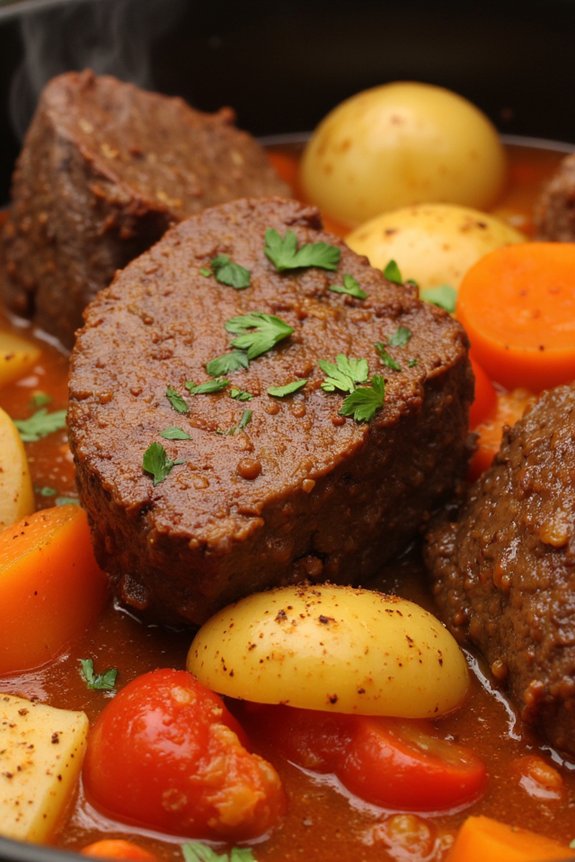
Estofado De Ternera, or Classic Spanish Beef Stew, is a hearty and flavorful dish that showcases the rich culinary traditions of Spain. This stew is perfect for a cozy dinner and is best enjoyed with family and friends. The dish combines tender beef with a variety of vegetables and spices, simmered slowly to create a depth of flavor that’s both comforting and satisfying.
It’s a perfect example of how simple ingredients, when cooked with care, can create a meal that’s both delicious and memorable. The key to a great Estofado De Ternera lies in the quality of the ingredients and the patience to allow the flavors to meld together over time. This recipe is designed to serve 4-6 people, making it ideal for a family meal or a small gathering.
By using traditional Spanish ingredients like pimentón (Spanish paprika) and saffron, this stew offers an authentic taste of Spain. Serve it with crusty bread or over a bed of rice to soak up the delicious sauce.
Ingredients (Serves 4-6):
- 2 pounds beef stew meat, cut into 1-inch cubes
- 3 tablespoons olive oil
- 1 large onion, chopped
- 2 cloves garlic, minced
- 2 carrots, sliced
- 1 red bell pepper, chopped
- 3 medium potatoes, peeled and cubed
- 1 can (14.5 oz) diced tomatoes
- 1 cup beef broth
- 1/2 cup red wine
- 1 teaspoon Spanish paprika (pimentón)
- 1/2 teaspoon dried thyme
- 1/2 teaspoon dried rosemary
- 1 bay leaf
- Salt and pepper to taste
- A pinch of saffron threads (optional)
- 1/4 cup chopped fresh parsley for garnish
Cooking Instructions:
- Prepare the Beef: Season the beef cubes with salt and pepper. In a large pot, heat olive oil over medium-high heat. Add the beef in batches and brown on all sides. Remove the beef from the pot and set aside.
- Sauté the Vegetables: In the same pot, add the chopped onion and garlic. Sauté until the onion is translucent, about 5 minutes. Add the carrots and red bell pepper, and continue to cook for another 5 minutes.
- Combine Ingredients: Return the browned beef to the pot. Stir in the diced tomatoes, beef broth, and red wine. Add the Spanish paprika, thyme, rosemary, bay leaf, and saffron threads, if using. Mix well to combine.
- Simmer the Stew: Bring the mixture to a boil, then reduce the heat to low. Cover the pot and let it simmer for about 1.5 to 2 hours, or until the beef is tender. Stir occasionally to prevent sticking.
- Add Potatoes: About 30 minutes before the stew is done, add the cubed potatoes. Continue to simmer until the potatoes are cooked through and tender.
- Final Seasoning: Taste the stew and adjust the seasoning with more salt and pepper if needed. Remove the bay leaf before serving.
- Serve: Ladle the stew into bowls and garnish with chopped fresh parsley. Serve hot with crusty bread or over rice.
Extra Tips: For the best flavor, use a good quality red wine that you’d enjoy drinking. The wine adds depth to the stew, so don’t skimp on it.
If you have time, let the stew sit for a few hours or overnight in the refrigerator before reheating and serving. This resting period allows the flavors to develop further, making the stew even more delicious. Also, be sure to simmer the stew gently; boiling it can make the meat tough.
Marmitako: Basque Tuna Stew With Potatoes
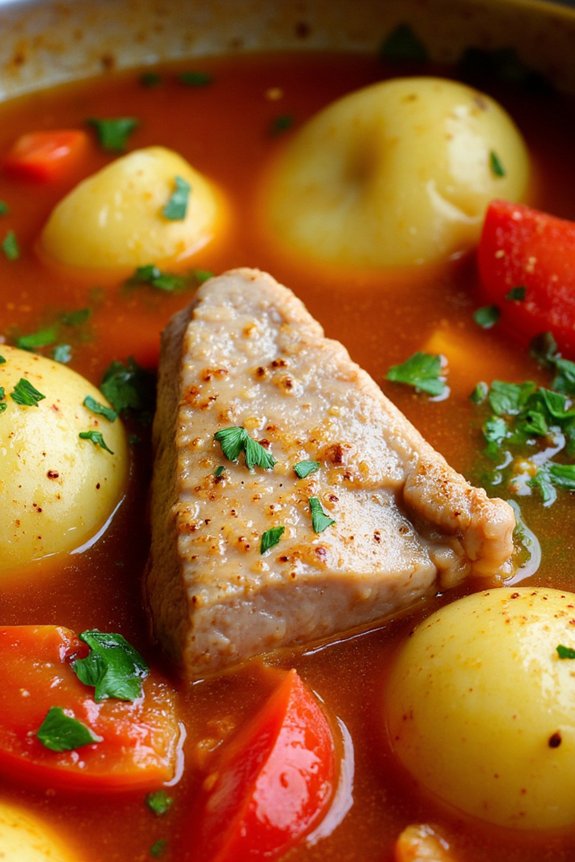
Marmitako: Basque Tuna Stew With Potatoes is a hearty, flavorful dish that originates from the Basque Country in northern Spain. Traditionally, this stew was a fisherman’s staple, made on board with the catch of the day. Marmitako, which translates to “from the pot” in Basque, combines fresh tuna with potatoes, peppers, tomatoes, and a rich broth, resulting in a comforting and satisfying meal.
This dish beautifully showcases the natural flavors of the sea paired with earthy vegetables, making it a delightful choice for a family gathering or a cozy dinner.
This Basque Tuna Stew isn’t only delicious but also quite nutritious. The combination of fresh tuna—which is rich in omega-3 fatty acids—and vegetables like peppers and tomatoes provides a well-rounded, healthy meal. The stew is relatively simple to prepare, requiring only a few key ingredients and a bit of patience to allow the flavors to meld together.
Perfect for serving 4-6 people, Marmitako is a wonderful way to explore Spanish cuisine from the comfort of your own kitchen.
Ingredients:
- 2 tablespoons olive oil
- 1 large onion, finely chopped
- 2 cloves garlic, minced
- 1 green bell pepper, chopped
- 1 red bell pepper, chopped
- 2 large tomatoes, peeled and diced
- 1 teaspoon sweet paprika
- 1/2 teaspoon hot paprika (optional)
- 3-4 medium potatoes, peeled and cut into chunks
- 1 cup fish stock or water
- 800 grams (about 1.75 lbs) fresh tuna, cut into chunks
- Salt and pepper to taste
- Fresh parsley, chopped (for garnish)
Instructions:
- Prepare the Base: Heat the olive oil in a large pot over medium heat. Add the chopped onion and sauté until it becomes translucent, about 5 minutes. Add the minced garlic and continue to sauté for another minute until fragrant.
- Add Vegetables: Stir in the chopped green and red bell peppers. Cook for about 5-7 minutes, until they begin to soften. Add the diced tomatoes and cook for another 5 minutes, allowing the mixture to become a cohesive sauce.
- Season and Simmer: Sprinkle in the sweet paprika and optional hot paprika, stirring to combine. Add the potato chunks to the pot, followed by the fish stock or water. Bring the mixture to a boil, then reduce the heat to low and let it simmer for 20-25 minutes, or until the potatoes are tender.
- Incorporate the Tuna: Once the potatoes are cooked, gently add the fresh tuna chunks to the pot. Season the stew with salt and pepper to taste. Let the stew simmer for an additional 5-7 minutes, or until the tuna is just cooked through.
- Finish and Serve: Remove the pot from heat and let it sit for a couple of minutes to allow the flavors to meld. Serve the Marmitako hot, garnished with freshly chopped parsley.
Extra Tips:
To enhance the flavor of your Marmitako, consider using high-quality, fresh tuna, as it greatly impacts the dish’s taste. If fresh tuna isn’t available, you can substitute it with other firm fish like swordfish or even use canned tuna in a pinch.
When cooking the potatoes, make sure they’re cut into even chunks to guarantee they cook uniformly. For an extra depth of flavor, you can add a splash of white wine or a bay leaf while simmering the stew.
Finally, this dish can be made a day ahead; the flavors will develop even more as it sits, making it taste even better the next day.
Puchero Andaluz: Andalusian Pot With Chickpeas
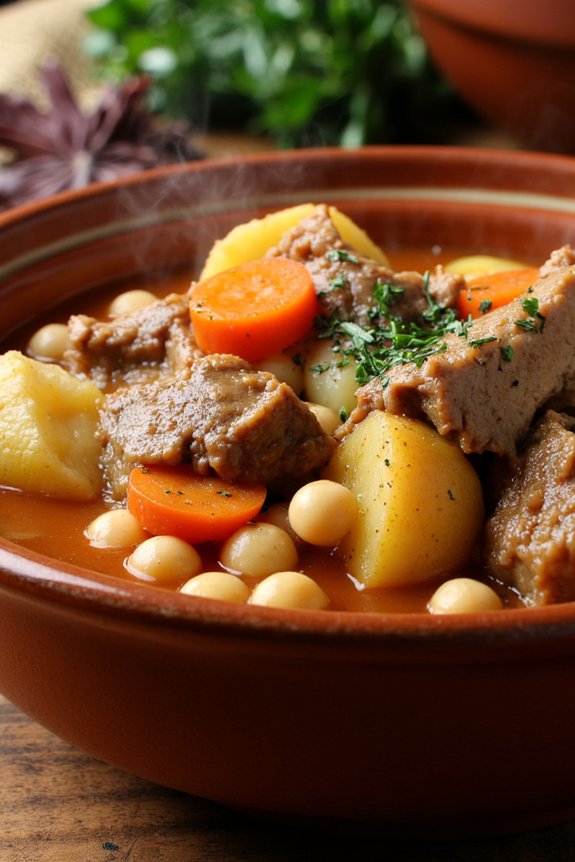
Puchero Andaluz is a traditional stew from the Andalusian region of Spain, known for its rich flavors and hearty ingredients. This comforting dish features a variety of meats, fresh vegetables, and chickpeas, making it both nutritious and satisfying. With its roots deeply embedded in Spanish culinary heritage, Puchero Andaluz is perfect for a family meal, bringing warmth and a taste of Andalusia to your dining table.
The stew is typically slow-cooked to allow the flavors to meld together beautifully. The inclusion of chickpeas adds a delightful texture and nutritional boost, while the combination of meats such as chicken, pork, and beef creates a deep, savory broth. This recipe serves 4-6 people, making it an ideal dish for gatherings or a cozy family dinner.
Ingredients for Puchero Andaluz:
- 1 pound (450g) of beef shank
- 1 pound (450g) of chicken thighs or drumsticks
- 0.5 pound (225g) of pork belly or pork ribs
- 1 cup dried chickpeas, soaked overnight
- 2 large potatoes, peeled and quartered
- 2 carrots, peeled and chopped
- 1 leek, cleaned and sliced
- 1 onion, peeled and quartered
- 1 turnip, peeled and chopped
- 1 bay leaf
- Salt and pepper to taste
- 1 teaspoon paprika
- 1 tablespoon olive oil
- 2 cloves of garlic, minced
- 8 cups of water or chicken broth
Cooking Instructions:
- Prepare the Chickpeas: Begin by soaking the chickpeas overnight in plenty of water. Drain and rinse them before using them in the stew.
- Brown the Meats: In a large pot, heat the olive oil over medium heat. Add the beef shank, chicken, and pork pieces. Brown them on all sides for about 5-7 minutes to enhance their flavor. Remove the meats from the pot and set them aside.
- Sauté the Vegetables: In the same pot, add the minced garlic, onion, leek, carrots, and turnip. Sauté for about 5 minutes until the vegetables are softened and fragrant.
- Add the Chickpeas and Meats: Return the browned meats to the pot, along with the soaked chickpeas. Stir everything together to combine.
- Season the Stew: Add the paprika, bay leaf, salt, and pepper. Pour in the water or chicken broth, ensuring that all ingredients are submerged.
- Simmer the Stew: Bring the mixture to a boil, then reduce the heat to low. Cover the pot and let the stew simmer gently for about 2-3 hours, or until the meats are tender and the chickpeas are fully cooked. Stir occasionally and skim any impurities off the surface.
- Add Potatoes and Adjust Seasoning: In the last 30 minutes of cooking, add the quartered potatoes to the pot. Taste and adjust the seasoning as needed.
- Serve the Puchero Andaluz: Once the stew is ready, remove the bay leaf and discard it. Serve the stew hot, ideally with crusty bread or rice on the side.
Extra Tips:
When cooking Puchero Andaluz, using high-quality meats will considerably enhance the flavor of the stew. If you prefer a thicker broth, you can mash some of the potatoes into the stew during the final stages of cooking.
Adding a splash of sherry vinegar towards the end can also add a nice tangy depth. If chicken broth is unavailable, plain water works well, but consider adding a bouillon cube for an extra layer of flavor.
Enjoy this dish with friends and family to experience a true taste of Andalusian tradition.
Cocido Madrileño: Madrid-Style Stew With Meats and Vegetables
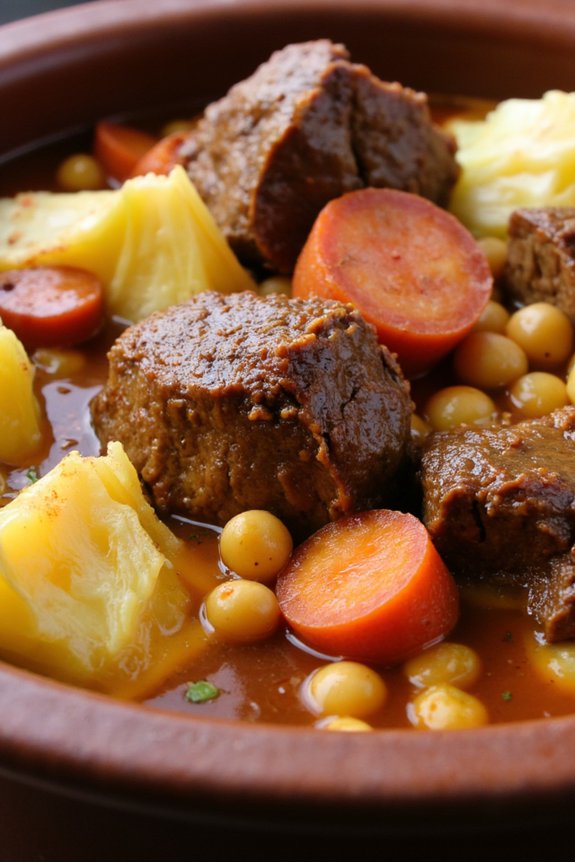
Cocido Madrileño: Madrid-Style Stew With Meats and Vegetables is a hearty and traditional Spanish dish that beautifully represents the culinary culture of Madrid. This comforting stew is perfect for colder months, filled with a variety of meats and vegetables that simmer together to create a rich and flavorful broth. Cocido Madrileño is a dish that’s often enjoyed in stages, with the broth served as a soup course, followed by the meats and vegetables as the main course. This generous stew is known for its ability to bring people together around the table, making it an ideal meal for family gatherings or dinner parties.
The key to a delicious Cocido Madrileño lies in its quality ingredients and the slow cooking process that allows the flavors to meld together. Typically, the dish includes a selection of meats such as chicken, beef, pork, and chorizo, accompanied by chickpeas and various vegetables like cabbage, carrots, and potatoes. The result is a satisfying and nourishing meal that reflects the heartiness of Spanish cuisine. This recipe serves 4-6 people and is sure to leave everyone at the table feeling warm and satisfied.
Ingredients:
- 1 pound (450g) beef shank or stew beef
- 1/2 pound (225g) pork belly or pancetta
- 1/2 pound (225g) chorizo sausage
- 1/2 chicken, bone-in
- 1 cup (200g) dried chickpeas, soaked overnight
- 2 large carrots, peeled and chopped
- 2 potatoes, peeled and quartered
- 1 small cabbage, cut into wedges
- 1 onion, peeled and whole
- 4 garlic cloves, peeled
- 1 bay leaf
- Salt and pepper to taste
- Water or chicken broth, as needed
Instructions:
- Prepare the Chickpeas: Drain the soaked chickpeas and set them aside. It’s crucial to soak them overnight to make certain they cook properly during the stewing process.
- Brown the Meats: In a large pot, heat a bit of oil over medium heat. Add the beef shank and pork belly, browning them on all sides for about 5-7 minutes. This step enhances the stew’s flavor with a deeper, richer taste.
- Add Aromatics: Add the whole onion, garlic cloves, and bay leaf to the pot. Stir them around for a few minutes until the onion is slightly softened and aromatic.
- Simmer the Stew: Place the chicken, chorizo, and soaked chickpeas into the pot. Pour enough water or chicken broth to cover the ingredients completely. Season with salt and pepper. Bring the mixture to a gentle boil, then reduce the heat to low. Cover the pot and let it simmer for about 1.5 to 2 hours, skimming off any impurities that rise to the surface.
- Add Vegetables: Once the meats are tender, add the carrots, potatoes, and cabbage wedges to the pot. Continue to simmer for another 30-40 minutes, or until the vegetables are cooked through but not mushy.
- Serve the Dish: Traditionally, Cocido Madrileño is served in two courses. First, strain some of the broth into bowls as a soup. Then, serve the meats, chickpeas, and vegetables on a platter as the main course, allowing everyone to help themselves.
Extra Tips:
When preparing Cocido Madrileño, feel free to adjust the types and quantities of meats and vegetables based on your preferences or availability. Some variations include adding blood sausage or ham hock for additional flavor.
Make sure to taste and adjust the seasoning toward the end of cooking, as the flavors develop over time. If you prefer a clearer broth, you can strain it through a fine mesh sieve before serving.
Suquet De Peix: Catalan Fish Stew
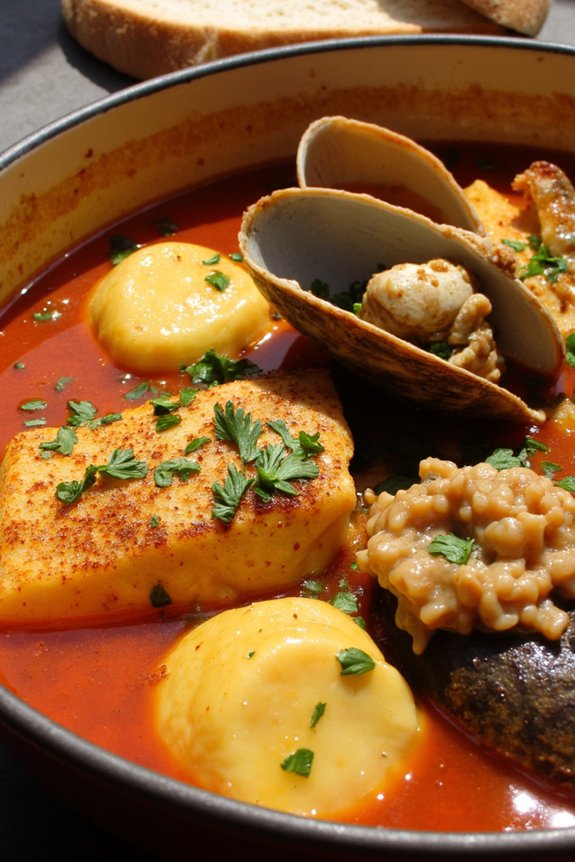
Suquet De Peix, or Catalan Fish Stew, is a traditional dish from the coastal region of Catalonia in Spain. This hearty stew is known for its rich flavors derived from a combination of fresh seafood, aromatic herbs, and a unique blend of spices. Suquet De Peix is often enjoyed as a comforting meal, especially during the cooler months, and is a perfect showcase of the Mediterranean diet, emphasizing fresh, local ingredients.
The dish is typically served with crusty bread to soak up the delicious broth, making it a satisfying and complete meal.
The beauty of Suquet De Peix lies in its simplicity and the harmony of its ingredients. The stew features a variety of fish and shellfish, simmered together in a flavorful broth made from tomatoes, garlic, saffron, and a touch of wine.
Potatoes are often added to the stew, providing a creamy texture and making it more filling. This dish is a wonderful way to enjoy the bounty of the sea, and its preparation is both straightforward and rewarding, resulting in a stew that’s both rustic and refined.
Ingredients (Serves 4-6):
- 2 tablespoons olive oil
- 1 large onion, finely chopped
- 3 cloves garlic, minced
- 2 large ripe tomatoes, chopped
- 1 teaspoon paprika
- A pinch of saffron threads
- 1 cup white wine
- 4 cups fish stock
- 2 bay leaves
- 4 medium potatoes, peeled and sliced
- 1 pound mixed fish fillets (such as cod, monkfish, or hake), cut into chunks
- 1 pound mixed shellfish (such as mussels, clams, or shrimp)
- Salt and pepper to taste
- Fresh parsley, chopped, for garnish
Instructions:
- Prepare the Base: Heat the olive oil in a large pot over medium heat. Add the chopped onion and sauté until it becomes translucent, about 5 minutes. Stir in the minced garlic and cook for another minute until fragrant.
- Build the Flavor: Add the chopped tomatoes to the pot and cook until they break down and form a thick sauce, approximately 10 minutes. Stir in the paprika and saffron threads, allowing the spices to bloom and release their flavors.
- Deglaze with Wine: Pour in the white wine and let it simmer for a few minutes, scraping any browned bits from the bottom of the pot. This will add depth and richness to the stew.
- Simmer the Broth: Add the fish stock and bay leaves to the pot. Bring the mixture to a gentle boil, then reduce the heat to low and let it simmer for 10 minutes, allowing the flavors to meld together.
- Cook the Potatoes: Add the sliced potatoes to the pot and simmer for about 15 minutes, or until they’re tender and easily pierced with a fork.
- Add the Fish and Shellfish: Gently add the fish fillets and shellfish to the pot. Cover and cook for an additional 8-10 minutes, or until the fish is cooked through and the shellfish have opened. Discard any shellfish that don’t open.
- Season and Serve: Taste the stew and adjust seasoning with salt and pepper as needed. Serve hot, garnished with fresh parsley and accompanied by crusty bread.
Extra Tips:
When making Suquet De Peix, it’s important to use the freshest seafood available to ascertain the best flavor. If saffron isn’t readily available, you can substitute with a pinch of turmeric for color, though the flavor will be slightly different.
Be cautious not to overcook the seafood, as it can become tough and chewy; the fish should be just cooked through and tender. Additionally, feel free to customize the types of fish and shellfish based on your preferences and local availability, making this dish both flexible and adaptable to what’s on hand.
Callos a La Madrileña: Spanish Tripe Stew
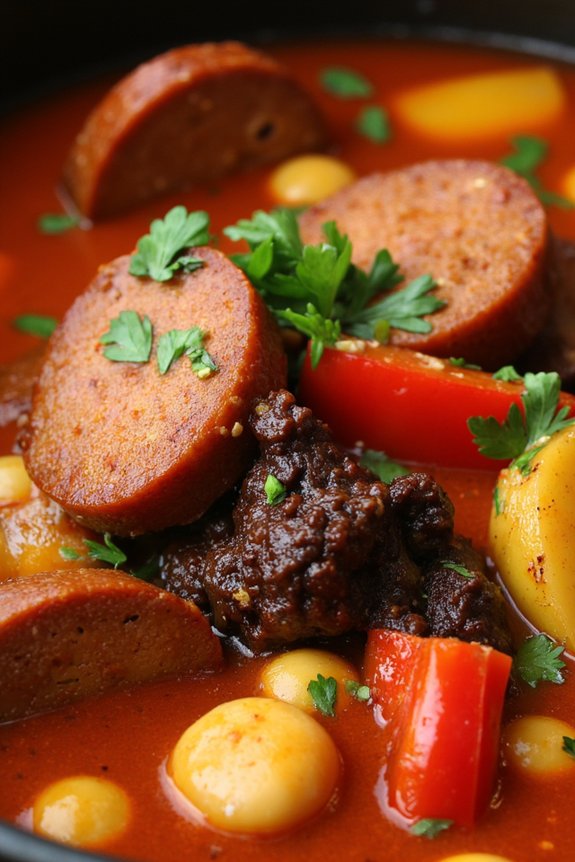
Callos a La Madrileña is a traditional Spanish stew that hails from the vibrant city of Madrid. This hearty dish, known for its rich and comforting flavors, is primarily composed of tripe, blood sausage, and chickpeas, simmered together to create a deeply satisfying meal.
With its roots in the heart of Spain, Callos a La Madrileña is a beloved classic that perfectly embodies the warmth and depth of Spanish cuisine. Its rustic charm is enhanced by the use of aromatic spices and a slow-cooking process that guarantees every bite is tender and flavorful.
Creating this dish isn’t only a culinary journey but also a cultural experience, as it allows you to savor a piece of Spanish history. Although it may sound intimidating to some due to its use of tripe, it’s actually a delightful and accessible dish that’s well worth the effort.
Whether you’re a seasoned cook or a beginner looking to broaden your culinary repertoire, Callos a La Madrileña is a rewarding dish that will impress and satisfy any palate. This recipe serves 4-6 people, making it perfect for family dinners or gatherings with friends.
Ingredients for 4-6 Servings:
- 2 pounds of beef tripe, cleaned and cut into bite-sized pieces
- 1 large onion, finely chopped
- 2 cloves garlic, minced
- 1 red bell pepper, diced
- 2 tablespoons olive oil
- 1 teaspoon smoked paprika
- 1/2 teaspoon cayenne pepper (optional)
- 2 bay leaves
- 1/2 cup dry white wine
- 1 can (14 oz) chopped tomatoes
- 2 cups beef broth
- 1 cup cooked chickpeas
- 1/2 pound Spanish chorizo, sliced
- 1/4 pound morcilla (Spanish blood sausage), sliced
- Salt and pepper to taste
- Fresh parsley, chopped, for garnish
Cooking Instructions:
- Prepare the Tripe: Start by placing the beef tripe in a large pot, covering it with water, and bringing it to a boil. Let it boil for about 10 minutes, then drain and rinse the tripe under cold water. This helps to remove any impurities and tenderize the tripe. Set it aside.
- Sauté the Vegetables: In a large pot or Dutch oven, heat olive oil over medium heat. Add the chopped onion, garlic, and diced red bell pepper. Sauté for about 5 minutes, or until the vegetables are soft and fragrant.
- Add Spices: Stir in the smoked paprika, cayenne pepper (if using), and bay leaves. Cook for an additional minute to release the flavors of the spices.
- Deglaze with Wine: Pour in the dry white wine and let it simmer for 2-3 minutes, allowing the alcohol to evaporate and the flavors to meld.
- Combine Ingredients: Add the prepared tripe, chopped tomatoes, and beef broth to the pot. Stir well to combine all ingredients.
- Simmer the Stew: Bring the mixture to a gentle boil, then reduce the heat to low. Cover the pot and let it simmer for about 2 hours, or until the tripe is tender and the flavors have developed.
- Incorporate the Meats and Chickpeas: Add the cooked chickpeas, sliced chorizo, and morcilla to the pot. Stir to combine and let the stew cook for an additional 30 minutes, allowing the flavors to blend.
- Season and Serve: Taste the stew and season with salt and pepper as needed. Remove the bay leaves before serving. Garnish with freshly chopped parsley for a burst of color and freshness.
Extra Tips:
When preparing Callos a La Madrileña, it’s important to ascertain that the tripe is thoroughly cleaned before cooking to achieve the best texture and flavor.
If you prefer a milder stew, you can reduce or omit the cayenne pepper. For those who enjoy a thicker stew, consider mashing a few of the chickpeas and stirring them back into the pot to thicken the broth naturally.
Additionally, this stew often tastes even better the next day, so consider making it ahead of time to allow the flavors to deepen overnight.
Chilindrón De Cordero: Lamb Stew With Peppers
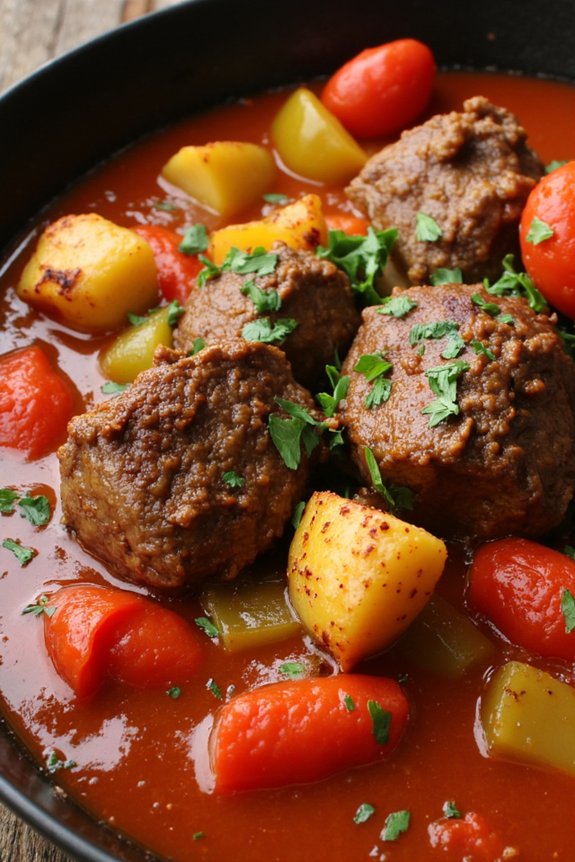
Chilindrón De Cordero, a traditional Spanish lamb stew, is a flavorful and hearty dish that showcases the vibrant culinary heritage of Spain. This stew is particularly popular in the regions of Aragon and Navarra, where it combines tender lamb with the sweetness of red peppers and the earthiness of tomatoes and onions.
The dish is typically slow-cooked, allowing the flavors to meld together, resulting in a rich and satisfying meal that’s perfect for a cozy dinner with family or friends.
The key to a perfect Chilindrón De Cordero lies in the quality of the ingredients and the patience to let it simmer to perfection. With a combination of paprika, garlic, and wine, the stew develops a deep, robust flavor that pairs beautifully with crusty bread or a side of Spanish rice.
Whether you’re looking to explore the depths of Spanish cuisine or simply want to enjoy a comfort meal, this lamb stew with peppers is sure to please your palate.
Ingredients for 4-6 Servings:
- 2 lbs lamb shoulder, cut into 2-inch cubes
- Salt and pepper to taste
- 2 tablespoons olive oil
- 1 large onion, finely chopped
- 4 cloves garlic, minced
- 2 red bell peppers, sliced
- 1 green bell pepper, sliced
- 1 can (14 oz) crushed tomatoes
- 1 cup dry white wine
- 2 teaspoons sweet paprika
- 1 teaspoon smoked paprika
- 1 bay leaf
- 1 cup chicken or vegetable broth
- Fresh parsley, chopped (for garnish)
Cooking Instructions:
- Prepare the Lamb: Season the lamb cubes with salt and pepper. This will help to enhance the natural flavors of the meat.
- Brown the Lamb: Heat the olive oil in a large pot or a Dutch oven over medium-high heat. Add the lamb cubes in batches, making sure not to overcrowd the pot. Brown each side of the lamb cubes until they’re golden brown. Once browned, remove them from the pot and set aside.
- Cook the Vegetables: In the same pot, add the chopped onion and garlic. Sauté them over medium heat until the onion becomes translucent and aromatic. Add the sliced red and green bell peppers and continue to cook until they start to soften.
- Combine Ingredients: Return the browned lamb to the pot. Add the crushed tomatoes, dry white wine, sweet paprika, smoked paprika, bay leaf, and broth. Stir to combine all ingredients thoroughly.
- Simmer the Stew: Bring the mixture to a gentle simmer. Cover the pot and reduce the heat to low. Let it cook for about 1.5 to 2 hours, or until the lamb is tender and the flavors have melded beautifully.
- Final Touches: Once cooked, remove the bay leaf. Taste and adjust seasoning with salt and pepper if needed. Garnish with freshly chopped parsley before serving.
Extra Tips:
For best results, consider marinating the lamb in garlic, paprika, and olive oil for a few hours before cooking to enhance its flavor.
If you prefer a thicker stew, you can add a tablespoon of flour to the onions and garlic before adding the liquids, to create a roux.
Additionally, this stew tastes even better the next day as the flavors continue to deepen, so feel free to make it ahead of time. Serve with a side of rice or crusty bread to soak up the delicious sauce.
Estofado De Pollo: Savory Chicken Stew
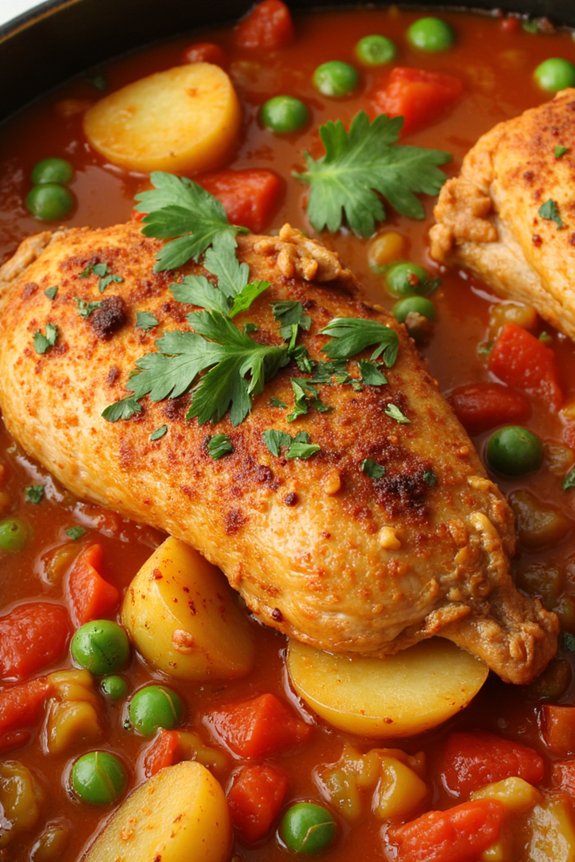
Estofado De Pollo, or Savory Chicken Stew, is a classic Spanish dish that combines tender chicken with a rich, flavorful sauce. This stew is perfect for a cozy family dinner or a gathering with friends. The combination of spices, vegetables, and chicken creates a hearty meal that’s both filling and satisfying.
Traditionally, Estofado De Pollo is served with crusty bread or alongside a simple salad, making it a versatile dish that can be enjoyed year-round.
The key to a great Estofado De Pollo lies in the slow cooking process, which allows the flavors to meld beautifully. This dish is typically prepared in a large pot or Dutch oven, where the chicken is first browned to create a rich base.
Then, the vegetables and spices are added to create a depth of flavor that’s truly irresistible. As the stew simmers, the chicken becomes tender and the sauce thickens, resulting in a deliciously savory meal that’s sure to impress.
Ingredients (Serves 4-6):
- 2 tablespoons olive oil
- 1 whole chicken (about 3-4 pounds), cut into pieces
- Salt and pepper, to taste
- 1 large onion, chopped
- 2 cloves garlic, minced
- 1 red bell pepper, chopped
- 1 green bell pepper, chopped
- 2 large tomatoes, chopped
- 1 teaspoon smoked paprika
- 1/2 teaspoon ground cumin
- 1/2 teaspoon dried thyme
- 1 bay leaf
- 1 cup chicken broth
- 1/2 cup dry white wine
- 2 large potatoes, peeled and cubed
- 1 cup frozen peas
- 1/4 cup chopped fresh parsley
Cooking Instructions:
- Prepare the Chicken: Season the chicken pieces with salt and pepper. In a large pot or Dutch oven, heat the olive oil over medium-high heat. Add the chicken pieces and brown them on all sides, about 5-7 minutes. Remove the chicken from the pot and set aside.
- Cook the Vegetables: In the same pot, add the chopped onion and garlic. Sauté for about 3 minutes until the onion becomes translucent. Add the red and green bell peppers and continue to sauté for another 5 minutes.
- Build the Flavor: Stir in the chopped tomatoes, smoked paprika, ground cumin, dried thyme, and bay leaf. Cook for another 5 minutes, allowing the spices to become fragrant.
- Simmer the Stew: Return the browned chicken pieces to the pot. Pour in the chicken broth and white wine, ensuring that the chicken is mostly submerged. Bring the mixture to a boil, then reduce the heat to low. Cover the pot and let it simmer for about 30 minutes.
- Add Potatoes and Finish Cooking: Add the cubed potatoes to the pot, stirring them into the stew. Continue to simmer, covered, for an additional 30 minutes, or until the potatoes are tender and the chicken is cooked through.
- Final Touches: Stir in the frozen peas and cook for another 5 minutes until the peas are heated through. Adjust the seasoning with salt and pepper to taste. Remove the bay leaf and discard.
- Garnish and Serve: Sprinkle the chopped fresh parsley over the stew before serving. Enjoy your Estofado De Pollo with crusty bread or a simple side salad.
Extra Tips:
For the best results, use a mix of chicken pieces such as thighs, drumsticks, and breasts for a variety of textures.
If you prefer a thicker stew, you can mash a few of the potato cubes against the side of the pot to release their starches into the sauce.
If you have leftovers, the stew can be stored in the refrigerator for up to three days, and it often tastes even better the next day as the flavors continue to develop.
Guiso De Garbanzos: Chickpea Stew With Chorizo
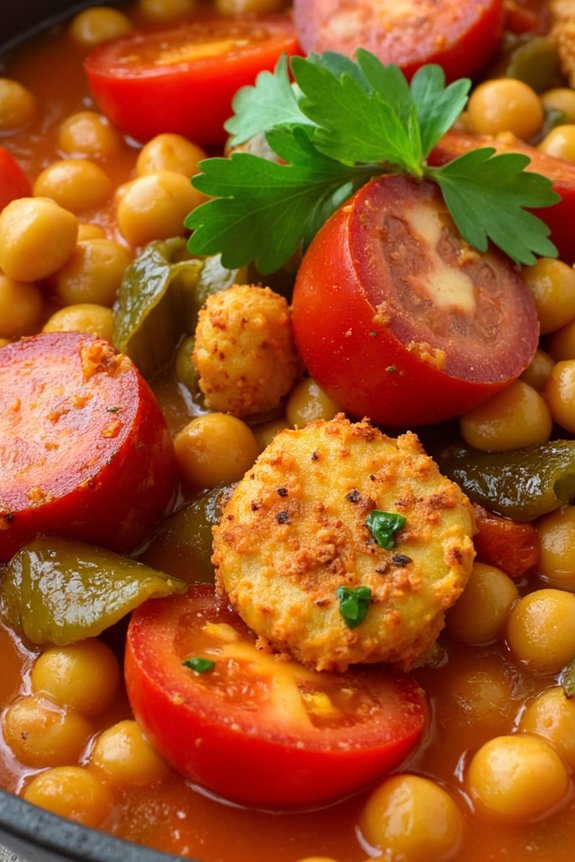
Guiso De Garbanzos: Chickpea Stew With Chorizo is a hearty and flavorful Spanish dish that brings together the earthy taste of chickpeas with the spicy, smoky notes of chorizo. This stew is a staple in many Spanish households, particularly during the colder months, as it’s both warming and nutritious. The combination of vegetables, chickpeas, and chorizo creates a rich and satisfying meal that can be enjoyed on its own or with a side of crusty bread.
The origins of Guiso De Garbanzos can be traced back to traditional Spanish cooking, which often emphasizes simplicity and the use of quality ingredients. This dish is a perfect example of how a few basic ingredients can be transformed into something incredibly flavorful and comforting. Whether you’re a seasoned cook or a beginner in the kitchen, this recipe is straightforward and sure to impress.
Ingredients for 4-6 servings:
- 1 cup dried chickpeas (or 2 cans of cooked chickpeas, drained and rinsed)
- 2 tablespoons olive oil
- 1 large onion, chopped
- 2 garlic cloves, minced
- 1 red bell pepper, chopped
- 1 green bell pepper, chopped
- 2 medium tomatoes, chopped
- 1 teaspoon smoked paprika
- 1/2 teaspoon ground cumin
- 1 bay leaf
- 6 ounces chorizo, sliced
- 4 cups chicken or vegetable broth
- Salt and pepper to taste
- Fresh parsley, chopped, for garnish
Cooking Instructions:
- Prepare the Chickpeas: If using dried chickpeas, soak them overnight in a large bowl with plenty of water. Drain and rinse the chickpeas, then cook them in a pot with fresh water for about an hour or until tender. If using canned chickpeas, drain and rinse them thoroughly.
- Sauté the Aromatics: Heat the olive oil in a large pot over medium heat. Add the chopped onion and garlic, and sauté until the onion becomes translucent and the mixture is fragrant, about 5 minutes.
- Add Vegetables and Spices: Stir in the chopped red and green bell peppers, and cook for another 5 minutes until the peppers start to soften. Add the chopped tomatoes, smoked paprika, and ground cumin. Cook for another 3 minutes, stirring occasionally.
- Incorporate the Chorizo: Add the sliced chorizo to the pot and stir to combine. Cook for about 5 minutes until the chorizo starts to release its oils and flavors into the stew.
- Simmer the Stew: Pour in the chicken or vegetable broth and add the bay leaf. Bring the mixture to a boil, then reduce the heat to a simmer. Add the cooked or canned chickpeas, and let the stew simmer for 20-30 minutes, allowing the flavors to meld together.
- Season and Serve: Taste the stew and season with salt and pepper as needed. Remove the bay leaf before serving. Garnish with chopped fresh parsley and serve hot with crusty bread.
Extra Tips:
When making Guiso De Garbanzos, using high-quality chorizo can make a significant difference in the overall flavor of the stew, so try to find authentic Spanish chorizo if possible.
If you prefer a spicier stew, you can add a pinch of cayenne pepper or a chopped fresh chili. For a thicker consistency, mash a few of the chickpeas with the back of a spoon before serving.
Remember to adjust the seasoning to your taste, as different brands of broth and chorizo can vary in saltiness. Enjoy your cooking experience and the delicious results!
Caldereta De Cordero: Traditional Lamb Stew
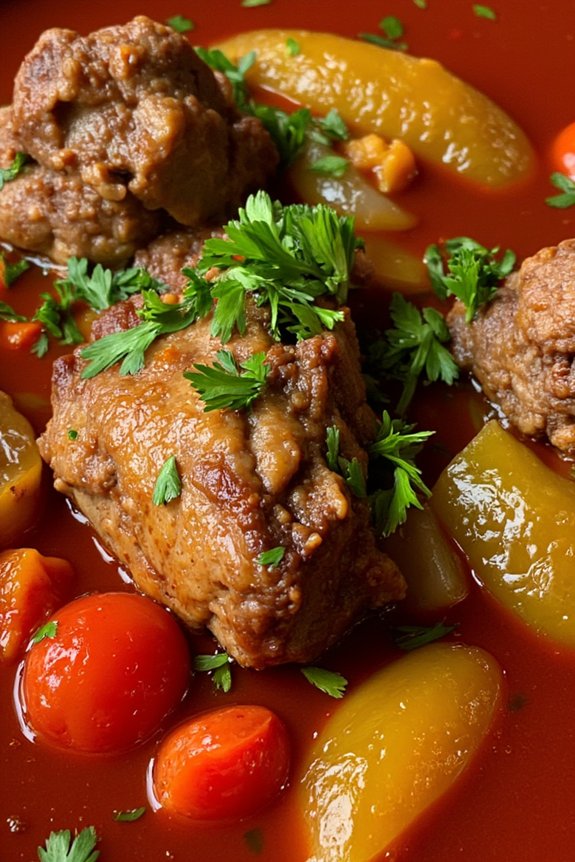
Caldereta De Cordero, or Traditional Lamb Stew, is a hearty and flavorful dish that hails from the Spanish countryside, where it has been enjoyed for generations. This rustic meal captures the essence of Spanish cuisine with its robust flavors and tender lamb, slow-cooked to perfection. The stew is a perfect blend of aromatic spices, fresh vegetables, and succulent lamb, making it an ideal dish for gatherings and family meals. The rich and savory broth absorbs the essence of the lamb and spices, creating a comforting, satisfying, and soul-warming experience.
The origins of Caldereta De Cordero can be traced back to Spanish shepherds who’d prepare this stew using simple ingredients available to them, allowing the flavors to develop over a slow cooking process. Today, it remains a beloved dish in Spain, particularly during special occasions and festive celebrations. Its deep, bold flavors are complemented by the addition of red wine and a variety of aromatic herbs, which enhance the natural sweetness of the lamb.
When served with crusty bread or over a bed of rice or potatoes, Caldereta De Cordero becomes a complete meal that embodies the heartiness of traditional Spanish cuisine.
Ingredients for 4-6 servings:
- 2 pounds of lamb shoulder, cut into cubes
- 2 tablespoons olive oil
- 1 large onion, finely chopped
- 4 cloves of garlic, minced
- 1 red bell pepper, chopped
- 2 tomatoes, peeled and chopped
- 1 tablespoon tomato paste
- 1 teaspoon smoked paprika
- 1 teaspoon ground cumin
- 1 teaspoon dried thyme
- 1 bay leaf
- 1 cup red wine
- 2 cups beef or lamb stock
- Salt and pepper to taste
- Fresh parsley, chopped for garnish
Cooking Instructions:
- Prepare the Lamb: Begin by seasoning the lamb cubes with salt and pepper. This will enhance the flavor of the meat as it cooks.
- Brown the Lamb: In a large pot or Dutch oven, heat the olive oil over medium-high heat. Add the lamb cubes in batches, browning them on all sides for about 5-7 minutes. Remove the lamb and set aside.
- Sauté the Vegetables: In the same pot, add the chopped onion, garlic, and red bell pepper. Sauté until the onion is translucent and the vegetables are softened, about 5 minutes.
- Add Tomatoes and Spices: Stir in the chopped tomatoes, tomato paste, smoked paprika, ground cumin, and thyme. Cook for another 2-3 minutes to allow the flavors to meld.
- Deglaze with Wine: Pour in the red wine, scraping up any browned bits from the bottom of the pot. Let the wine reduce by half, which should take about 5 minutes.
- Combine Ingredients: Return the browned lamb to the pot. Add the bay leaf and pour in the stock. Bring the stew to a boil, then reduce the heat to a simmer.
- Simmer the Stew: Cover the pot and let the stew simmer for 1.5 to 2 hours, or until the lamb is tender and the flavors have developed. Stir occasionally to prevent sticking.
- Adjust Seasoning: Taste the stew and adjust the seasoning with additional salt and pepper if necessary.
- Garnish and Serve: Remove the bay leaf before serving. Garnish with fresh chopped parsley and serve hot with crusty bread or over rice or potatoes.
Extra Tips:
For a richer flavor, you can prepare the stew a day in advance, allowing the flavors to deepen and meld overnight in the refrigerator. When reheating, add a splash of stock or water to loosen the sauce if it has thickened.
Additionally, feel free to experiment with different herbs and spices to suit your personal taste. This stew can also be adapted with other meats like beef or pork, but remember that cooking times may vary depending on the meat used. Enjoy your Caldereta De Cordero with a glass of Spanish red wine for an authentic dining experience.
Potaje De Vigilia: Lenten Stew With Cod and Spinach
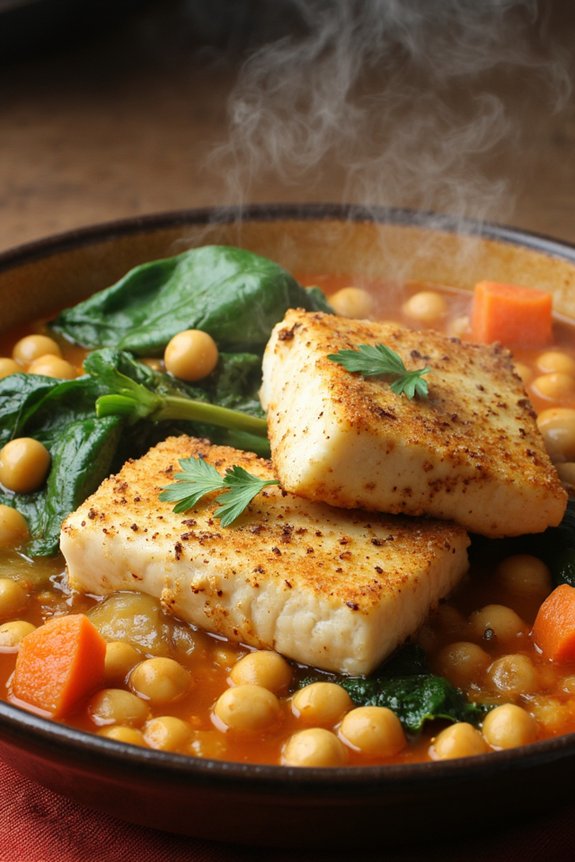
Potaje De Vigilia, also known as Lenten Stew with Cod and Spinach, is a traditional Spanish dish typically enjoyed during the period of Lent. This flavorful and hearty stew is a delightful combination of cod, spinach, and chickpeas, simmered together with a medley of spices to create a warm and comforting meal.
The origins of Potaje De Vigilia trace back to religious observance, as it was traditionally served on Fridays or during Lent when meat was abstained from, making it an excellent source of nutrition and warmth during those times.
This stew is a perfect example of Spanish cuisine’s ability to blend simple ingredients into a dish full of depth and flavor. The cod, a staple in many Spanish households, provides a rich, savory taste complemented by the earthiness of chickpeas and the freshness of spinach.
The addition of aromatic spices and herbs elevates the dish, making it a well-balanced meal that’s both satisfying and nourishing. Whether you’re observing Lent or simply seeking a scrumptious stew to enjoy, Potaje De Vigilia is an excellent choice that’s sure to satisfy.
Ingredients (Serves 4-6):
- 500g salted cod fillets
- 250g chickpeas (soaked overnight)
- 200g fresh spinach leaves
- 1 onion, finely chopped
- 2 cloves garlic, minced
- 1 tablespoon olive oil
- 1 teaspoon smoked paprika
- 1 bay leaf
- 1 carrot, diced
- 1 potato, diced
- 1 liter vegetable or fish stock
- Salt and pepper to taste
- Fresh parsley, chopped (for garnish)
Cooking Instructions:
- Prepare the Cod: Rinse the salted cod fillets under cold running water to remove excess salt. Soak them in fresh water for 24 hours, changing the water 2-3 times to desalt fully.
- Cook the Chickpeas: Drain the soaked chickpeas and place them in a large pot. Cover with water, add a pinch of salt, and bring to a boil. Reduce the heat and simmer for about 1 to 1.5 hours, or until tender. Drain and set aside.
- Sauté the Aromatics: In a large pot or Dutch oven, heat the olive oil over medium heat. Add the chopped onion and garlic, and sauté until the onion becomes translucent and fragrant.
- Add Vegetables and Spices: Stir in the diced carrot and potato, along with the smoked paprika and bay leaf. Cook for about 5 minutes, allowing the vegetables to soften slightly.
- Combine Ingredients: Pour in the vegetable or fish stock and add the drained chickpeas. Bring the mixture to a gentle boil, then reduce the heat and let it simmer for about 20 minutes.
- Add Cod and Spinach: Cut the desalted cod into chunks and add them to the pot along with the spinach leaves. Cook for an additional 10-15 minutes, or until the cod is cooked through and the spinach is wilted.
- Season and Serve: Taste the stew and adjust the seasoning with salt and pepper as needed. Garnish with freshly chopped parsley before serving hot.
Extra Tips:
For an enhanced flavor, consider using a mix of smoked and regular paprika to give the stew a rich, smoky depth. Confirm that the cod is thoroughly desalted to avoid an overly salty dish.
If you prefer a thicker stew, you can mash a few of the chickpeas before adding them back to the pot. Additionally, if fresh spinach isn’t available, you can substitute with frozen spinach, just be sure to thaw and drain it before adding to the stew.
This dish can be made in advance and often tastes even better the next day as the flavors have more time to meld. Enjoy your Potaje De Vigilia with a crusty bread for a complete meal!
