

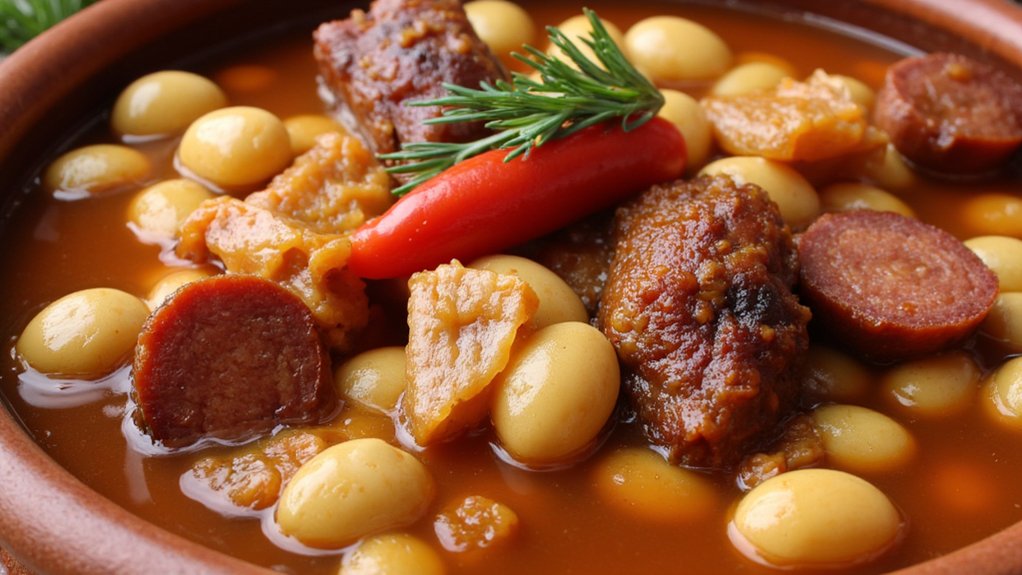
Strolling through a sunlit Spanish market inspired me to bring the heart of Spanish cuisine to our kitchens. Crispy Patatas Bravas and refreshing Gazpacho Andaluz are just a couple of the dishes that capture the essence of Spain. These recipes are simple, delicious, and perfect for weeknight cooking. They’re an invitation to savor Spain’s warmth and flavors right at home. Are you ready to explore these delightful recipes?
Patatas Bravas
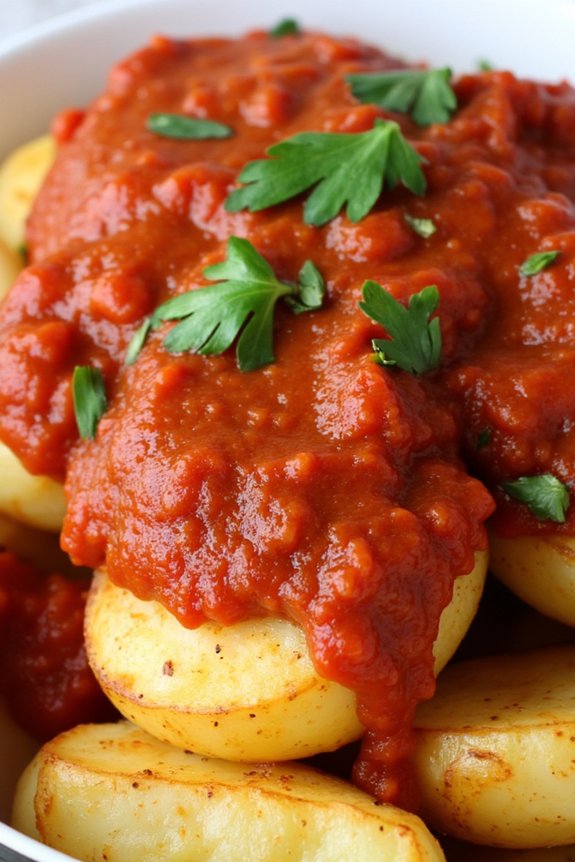
Patatas Bravas is a classic Spanish tapas dish that’s perfect for adding a touch of the Mediterranean to your weeknight cooking. Known for its crispy potatoes and spicy, tangy sauce, this dish is an absolute favorite in Spain and loved by many around the world.
It’s a versatile dish that can be enjoyed as an appetizer, a side dish, or even a snack. What makes Patatas Bravas so appealing is its simplicity and the bold flavors that come together to create a delicious and satisfying experience.
To make Patatas Bravas, you’ll need to prepare two components: the crispy potatoes and the signature Brava sauce. The potatoes are typically fried until they’re golden and crispy on the outside yet soft on the inside. The Brava sauce, which is the star of the dish, is made from simple ingredients like tomatoes, garlic, and paprika, creating a rich and spicy complement to the potatoes.
This recipe serves 4-6 people, making it ideal for a small gathering or a family meal.
Ingredients:
- 2 pounds potatoes, peeled and cut into 1-inch cubes
- 3 tablespoons olive oil
- 1 teaspoon salt
- 1/2 teaspoon black pepper
- 1 onion, finely chopped
- 3 cloves garlic, minced
- 1 can (14 ounces) crushed tomatoes
- 1 tablespoon tomato paste
- 1 teaspoon smoked paprika
- 1/2 teaspoon cayenne pepper
- 1 tablespoon red wine vinegar
- Fresh parsley, chopped for garnish
Instructions:
- Prepare the Potatoes: Start by peeling and cutting the potatoes into 1-inch cubes. Place them in a pot of cold salted water and bring to a boil. Once boiling, reduce the heat and simmer for about 5 minutes, until slightly tender. Drain and set aside.
- Fry the Potatoes: Heat 2 tablespoons of olive oil in a large skillet over medium-high heat. Once the oil is hot, add the drained potatoes in a single layer. Fry, turning occasionally, until they’re golden brown and crispy, about 10-15 minutes. Transfer the potatoes to a paper towel-lined plate to drain excess oil. Season with salt and black pepper and keep warm.
- Make the Brava Sauce: In the same skillet, reduce the heat to medium and add the remaining tablespoon of olive oil. Add the chopped onion and cook until translucent, about 5 minutes. Stir in the minced garlic and cook for another minute.
- Simmer the Sauce: Add the crushed tomatoes, tomato paste, smoked paprika, cayenne pepper, and red wine vinegar to the skillet. Stir well to combine all the ingredients. Let the sauce simmer for about 10 minutes, stirring occasionally, until it thickens slightly. Season with salt and black pepper to taste.
- Serve the Dish: Arrange the crispy potatoes on a serving plate and generously spoon the Brava sauce over the top. Garnish with freshly chopped parsley before serving.
Extra Tips:
For an even crispier texture, you can double-fry the potatoes. After the initial fry, let them cool for a few minutes and then fry them again until they reach the desired crispiness.
Adjust the spice level of the Brava sauce by altering the amount of cayenne pepper according to your preference. Additionally, if you prefer a smoother sauce, you can blend it with an immersion blender before serving.
This dish pairs wonderfully with other tapas or can be enjoyed on its own with a glass of your favorite Spanish wine.
Gazpacho Andaluz
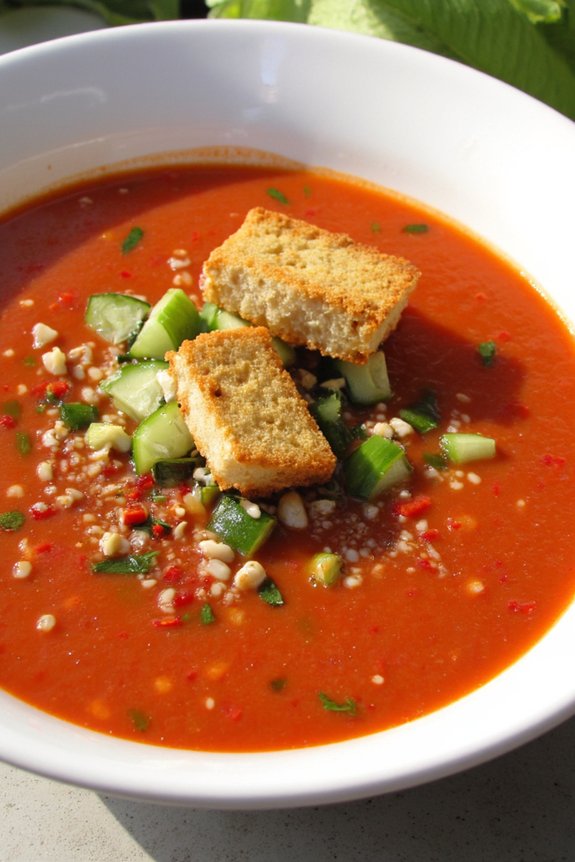
Gazpacho Andaluz is a classic Spanish cold soup that originates from the Andalusian region. It’s a revitalizing and light dish perfect for hot summer evenings. Made with ripe tomatoes, cucumbers, bell peppers, and a hint of garlic, this soup is a wholesome blend of flavors and textures. Gazpacho isn’t only delicious but also extremely healthy, as it’s rich in vitamins and antioxidants. Traditionally served chilled, it can be enjoyed as an appetizer or a light main course.
The key to making a truly authentic Gazpacho Andaluz lies in using the freshest and ripest ingredients. This guarantees the soup is bursting with flavor and has a smooth texture. The ingredients are blended together to create a vibrant, rich soup that’s both satisfying and nutritious. Gazpacho Andaluz is easy to prepare, requires no cooking, and can be made in advance, making it perfect for a quick weeknight dinner.
Ingredients for 4-6 servings:
- 2 pounds ripe tomatoes, cored and roughly chopped
- 1 small cucumber, peeled and chopped
- 1 small red bell pepper, seeded and chopped
- 1 small green bell pepper, seeded and chopped
- 1 small red onion, chopped
- 2 cloves garlic, minced
- 3 tablespoons sherry vinegar
- 1/4 cup extra-virgin olive oil
- Salt and freshly ground black pepper, to taste
- 1/2 cup cold water
- Croutons and chopped vegetables for garnish (optional)
Cooking Instructions:
- Prepare the Vegetables: Start by washing and chopping all the vegetables. Core the tomatoes, peel the cucumber, and chop both the bell peppers and onion. Make sure the pieces are small enough to blend easily.
- Blend the Ingredients: In a blender, combine the chopped tomatoes, cucumber, red bell pepper, green bell pepper, red onion, and garlic. Blend until the mixture is smooth and well combined. You may need to blend in batches depending on the size of your blender.
- Add Liquids and Season: Once the vegetables are blended, add the sherry vinegar and olive oil. Blend again to incorporate the liquids thoroughly. Season the soup with salt and freshly ground black pepper to taste. Adjust the seasoning as needed.
- Adjust the Consistency: If the gazpacho is too thick, add cold water a little at a time until you reach the desired consistency. Blend again to guarantee everything is combined.
- Chill the Soup: Transfer the gazpacho to a large bowl or pitcher. Cover and refrigerate for at least 2 hours, or until well chilled. This allows the flavors to meld together beautifully.
- Serve and Garnish: Before serving, give the gazpacho a quick stir. Ladle the soup into bowls and garnish with croutons and chopped vegetables, if desired. Serve cold and enjoy the revitalizing taste of Andalusia.
Extra Tips:
For the best flavor, prepare Gazpacho Andaluz a day in advance. This allows the flavors to develop and intensify. If you prefer a smoother texture, strain the soup through a fine sieve after blending. Additionally, using high-quality extra-virgin olive oil will enhance the richness of the soup.
To add a bit of spice, consider incorporating a pinch of red pepper flakes or a dash of hot sauce. Adjust the acidity to your liking by altering the amount of sherry vinegar used. Enjoy this delightful dish as a perfect complement to a warm summer evening.
Tortilla Española
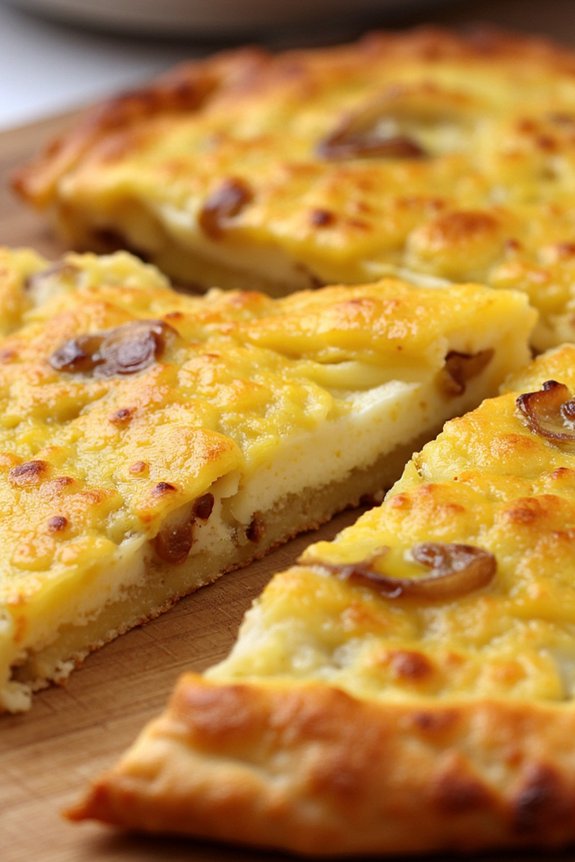
Tortilla Española, also known as Spanish omelet, is a classic dish that embodies the essence of Spanish comfort food. Simple yet satisfying, it’s made with just a few ingredients: potatoes, onions, eggs, and olive oil. This dish is perfect for weeknight cooking, as it can be prepared relatively quickly and is incredibly versatile. Traditionally served as a tapa or light meal, Tortilla Española can be enjoyed warm or at room temperature, making it an ideal make-ahead dish that fits effortlessly into a busy schedule.
In Spain, the tortilla is a staple in many households, and its preparation varies slightly from region to region. Some prefer their tortillas with more eggs, while others might add additional ingredients like chorizo or peppers for extra flavor. However, the classic version remains a beloved favorite, showcasing the perfect balance of tender potatoes and sweet onions enveloped in a golden, fluffy egg mixture. This recipe serves 4-6 people and highlights the timeless appeal of this Spanish delicacy.
Ingredients for 4-6 servings:
- 6 large eggs
- 4 medium potatoes
- 1 large onion
- 1 cup olive oil
- Salt to taste
Cooking Instructions:
- Prepare the Potatoes and Onion: Peel the potatoes and cut them into thin slices, about 1/8 inch thick. Peel and thinly slice the onion. Try to keep the slices uniformly thin to guarantee even cooking.
- Cook the Potatoes and Onion: In a large non-stick frying pan, heat the olive oil over medium heat. Add the sliced potatoes and onions, making sure they’re well coated in the oil. Stir gently to avoid breaking the slices. Cook for about 15-20 minutes, stirring occasionally, until the potatoes are tender but not browned. Drain the potatoes and onions in a colander set over a bowl to reserve the oil.
- Beat the Eggs: While the potatoes and onions are cooking, crack the eggs into a large bowl. Add a pinch of salt and beat them until well combined and slightly frothy.
- Combine Ingredients: Once the potatoes and onions have cooled slightly, add them to the beaten eggs, and gently mix to combine. Let this mixture sit for about 10 minutes to allow the flavors to meld.
- Cook the Tortilla: In the same frying pan, heat a couple of tablespoons of the reserved olive oil over medium-high heat. Pour the egg and potato mixture into the pan, spreading it out evenly. Reduce the heat to medium and cook for about 5-7 minutes, or until the edges are set and the bottom is golden brown.
- Flip the Tortilla: Place a large plate over the pan and carefully flip the tortilla onto the plate. Add a little more reserved oil to the pan, then slide the tortilla back into the pan, uncooked side down. Cook for another 5 minutes, or until the tortilla is set and lightly browned on the bottom.
- Serve: Slide the Tortilla Española onto a serving plate and let it cool for a few minutes before slicing into wedges. Serve warm or at room temperature.
Extra Tips: When making Tortilla Española, it’s essential to maintain a moderate heat to prevent the eggs from overcooking or the potatoes from browning too quickly. If you find flipping the tortilla difficult, you can use an oven-safe pan and finish cooking it in the oven under a broiler until the top is set.
Additionally, the reserved olive oil can be reused for future cooking, as it will be infused with the flavors of the potatoes and onions.
Gambas Al Ajillo
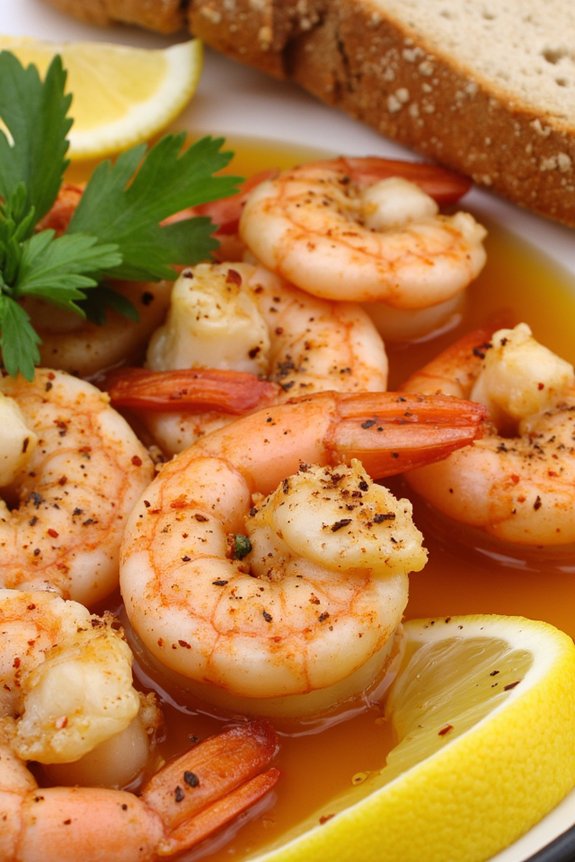
Gambas Al Ajillo, or garlic shrimp, is a classic Spanish dish that’s quick and easy to prepare, making it perfect for a weeknight dinner. This dish highlights the bold flavors of garlic and olive oil, with a hint of spice from red pepper flakes, bringing a taste of Spain to your dining table.
Typically served as a tapa, this dish can also be a delightful main course when paired with crusty bread to soak up the delicious sauce.
The key to making perfect Gambas Al Ajillo is using fresh shrimp and quality ingredients. The garlic should be thinly sliced to infuse the oil with its rich aroma, and the shrimp should be cooked just until pink to maintain a tender texture.
This recipe serves 4-6 people, making it ideal for a family dinner or a small gathering.
Ingredients:
- 1.5 pounds of large shrimp, peeled and deveined
- 1/2 cup of extra virgin olive oil
- 8 cloves of garlic, thinly sliced
- 1 teaspoon of red pepper flakes
- 1/4 cup of dry white wine
- Salt to taste
- Freshly ground black pepper to taste
- 2 tablespoons of freshly chopped parsley
- Lemon wedges for serving
- Crusty bread for serving
Cooking Instructions:
- Prepare the Shrimp: Start by ensuring your shrimp are peeled and deveined. Pat them dry with paper towels to remove excess moisture; this will help them sear properly in the pan.
- Heat the Oil: In a large skillet, heat the olive oil over medium heat. Once the oil is shimmering, add the sliced garlic and red pepper flakes. Sauté gently, stirring often, until the garlic is golden and fragrant, about 1-2 minutes. Be careful not to burn the garlic.
- Cook the Shrimp: Increase the heat to medium-high and add the shrimp to the skillet. Season with salt and freshly ground black pepper. Cook the shrimp for about 2 minutes on each side, or until they’re pink and opaque.
- Add Wine and Finish: Pour in the white wine and let it simmer for about 1 minute, allowing the alcohol to evaporate and the flavors to meld. Stir in the chopped parsley, and adjust seasoning if needed.
- Serve: Transfer the shrimp and garlic-infused oil to a serving dish. Garnish with additional parsley, if desired. Serve immediately with lemon wedges and crusty bread on the side for dipping.
Extra Tips:
To enhance the flavor of your Gambas Al Ajillo, consider marinating the shrimp briefly in olive oil, garlic, and a touch of paprika before cooking.
Be sure to watch the heat when cooking the garlic; it should be golden brown, not burnt, to prevent a bitter taste. If you prefer a milder version, reduce the amount of red pepper flakes.
Feel free to experiment with additional herbs like thyme or rosemary for added depth. Enjoy this dish as a standalone meal or pair it with a simple salad for a complete dinner experience.
Chorizo a La Sidra
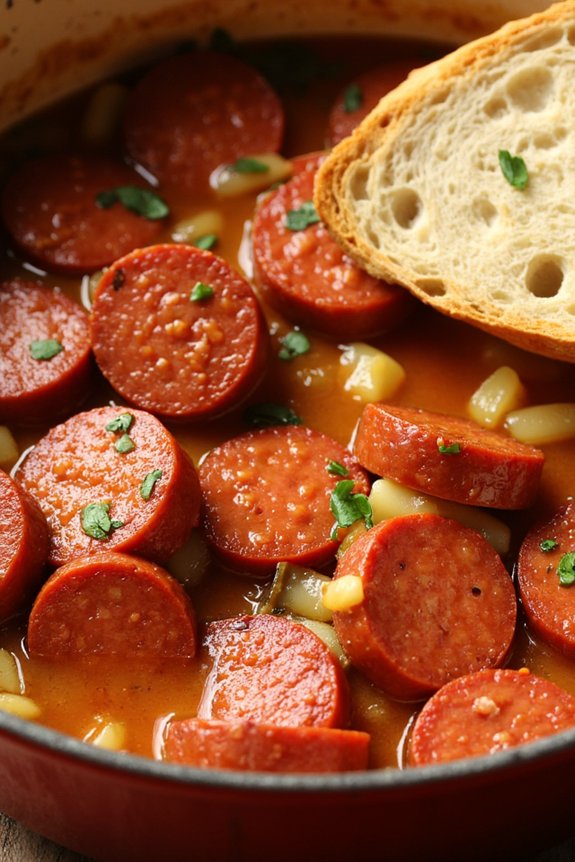
Chorizo a La Sidra is a classic Spanish dish that brings together the rich flavors of spicy chorizo sausage and the crisp, invigorating taste of cider. This dish is perfect for a cozy weeknight dinner, offering a delightful combination of hearty and aromatic flavors that come together in a quick and easy preparation.
Originating from the northern regions of Spain, this dish is often enjoyed as a tapa or main course, and it’s sure to bring a taste of Spain into your home kitchen.
The key to Chorizo a La Sidra lies in selecting high-quality chorizo and a good bottle of cider. Spanish chorizo is a cured pork sausage seasoned with paprika, which gives it a distinctive red color and bold flavor. The cider used should be dry and slightly acidic to balance the richness of the sausage.
When cooked, the chorizo releases its smoky oils, which blend beautifully with the cider to create a flavorful sauce. Serve it with some crusty bread to soak up the delicious juices and you’ll have a satisfying meal that can be prepared in under 30 minutes.
Ingredients (serves 4-6 people):
- 500g Spanish chorizo sausage, sliced into thick rounds
- 1 tablespoon olive oil
- 1 large onion, finely chopped
- 2 garlic cloves, minced
- 500ml dry cider
- 1 bay leaf
- Fresh parsley, chopped, for garnish
- Salt and pepper to taste
- Crusty bread, for serving
Cooking Instructions:
- Prepare the Ingredients: Start by slicing the chorizo into thick rounds. Finely chop the onion and mince the garlic, setting them aside for later use.
- Cook the Chorizo: In a large skillet, heat the olive oil over medium heat. Add the sliced chorizo and cook for about 3-4 minutes, or until it starts to brown and release its oils. Stir occasionally to guarantee even cooking.
- Sauté the Onion and Garlic: Add the chopped onion to the skillet with the chorizo. Cook for another 5 minutes, stirring frequently, until the onion becomes soft and translucent. Then, add the minced garlic and cook for an additional minute until fragrant.
- Add the Cider: Pour the dry cider into the skillet with the chorizo mixture. Add the bay leaf and bring the mixture to a gentle simmer. Allow it to cook for about 10-15 minutes, or until the cider has reduced by half and the flavors have melded together.
- Season and Serve: Taste the dish and adjust the seasoning with salt and pepper as needed. Remove the bay leaf before serving. Garnish with freshly chopped parsley and serve hot with crusty bread on the side to soak up the delicious juices.
Extra Tips:
When selecting chorizo, opt for one that’s firmly textured and spicy to provide the best flavor profile. If you prefer a milder dish, you can use semi-cured chorizo, which is softer and less spicy.
Additionally, feel free to experiment with different types of cider to find your preferred flavor balance; some might be fruitier while others are more acidic. Finally, if you have leftovers, Chorizo a La Sidra can be stored in the refrigerator for up to three days and reheated gently on the stove before serving. This dish pairs wonderfully with a simple green salad or roasted vegetables for a complete meal.
Pan Con Tomate
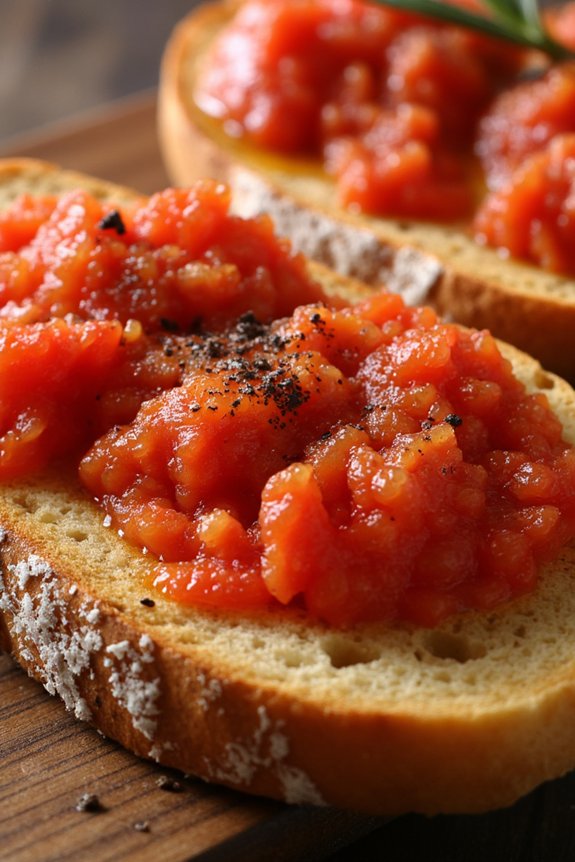
Pan Con Tomate, or “bread with tomato,” is a classic Spanish dish that epitomizes simplicity and flavor. Originating from Catalonia, this dish is a staple in Spanish households and is often served as a tapa or a light snack. It’s an excellent choice for a quick weeknight meal, as it requires minimal ingredients and preparation time.
The beauty of Pan Con Tomate lies in its ability to highlight the quality of its few components: ripe tomatoes, good bread, and quality olive oil. The key to a delicious Pan Con Tomate is using the freshest and best-quality ingredients you can find. The tomatoes should be ripe and juicy, as they provide the main flavor. The bread should be crusty and can be toasted to add a delightful crunch. Typically, a rustic bread like a baguette or a country loaf is preferred.
Olive oil should be extra virgin for its rich taste, and a sprinkle of sea salt enhances the natural flavors of the dish. This dish isn’t only quick and easy to prepare but also delights the palate with its vibrant taste and texture.
Ingredients for 4-6 people:
- 1 large rustic baguette or country loaf
- 4 ripe tomatoes
- 2 cloves of garlic
- Extra virgin olive oil
- Sea salt
- Freshly ground black pepper (optional)
Cooking Instructions:
- Prepare the Bread: Cut the baguette or country loaf into thick slices. If you prefer a crispier texture, toast the slices in an oven preheated to 350°F (175°C) for about 5-7 minutes or until they’re golden and crispy.
- Prepare the Tomatoes: Cut the tomatoes in half. Using a box grater, grate the cut sides of the tomatoes into a bowl. Discard the skins. You should have a pulpy tomato mixture.
- Prepare the Garlic: Peel the garlic cloves and cut them in half. Rub the cut side of the garlic over the toasted bread slices. The warmth of the bread will help absorb the garlic flavor.
- Assemble the Dish: Spoon the grated tomato mixture generously over each slice of bread. Drizzle a good amount of extra virgin olive oil over the top.
- Season: Sprinkle a pinch of sea salt over each slice to enhance the flavors. If desired, add a touch of freshly ground black pepper for a slight kick.
- Serve: Arrange the Pan Con Tomate slices on a serving platter. Serve immediately while the bread is still warm.
Extra Tips:
For an added layer of flavor, you can sprinkle some finely chopped fresh herbs like basil or parsley on top of the Pan Con Tomate. If you want to make it more substantial, consider adding thin slices of jamón serrano or anchovies on top.
Always make sure to use the best quality olive oil available, as it greatly impacts the taste. Additionally, if you have leftover tomato pulp, it can be used as a base for a quick tomato sauce or salsa.
Albondigas En Salsa

Albondigas En Salsa, or Spanish meatballs in sauce, is a classic comfort dish that brings warmth and flavor to any weeknight dinner. The succulent meatballs, often made with a combination of ground beef and pork, are seasoned with fragrant spices. These meatballs are then simmered in a rich and savory tomato-based sauce, infused with the essence of garlic, onions, and a touch of paprika, resulting in a hearty dish that’s perfect for serving with crusty bread or over a bed of rice.
This dish is versatile and can easily be adapted to suit your taste preferences. Whether you prefer a spicier sauce or want to add vegetables for extra nutrition, Albondigas En Salsa is forgiving and flexible. The key to a successful dish is in the simmering process, allowing the flavors to meld together beautifully. This recipe serves 4-6 people, making it ideal for family dinners or small gatherings.
Ingredients:
- 1 pound ground beef
- 1 pound ground pork
- 1 cup breadcrumbs
- 1/4 cup milk
- 2 large eggs
- 4 cloves garlic, minced
- 1 onion, finely chopped
- 2 teaspoons smoked paprika
- 1 teaspoon ground cumin
- Salt and pepper to taste
- 2 tablespoons olive oil
- 28 oz can crushed tomatoes
- 1 cup beef broth
- 1/4 cup fresh parsley, chopped
- Optional: a pinch of red pepper flakes
Cooking Instructions:
- Prepare the Meatball Mixture: In a large bowl, combine the ground beef, ground pork, breadcrumbs, milk, eggs, half of the minced garlic, half of the chopped onion, smoked paprika, ground cumin, salt, and pepper. Mix thoroughly until all ingredients are well incorporated.
- Shape the Meatballs: Using your hands, shape the mixture into meatballs, about 1 inch in diameter. You should end up with approximately 24-30 meatballs.
- Brown the Meatballs: In a large skillet, heat the olive oil over medium-high heat. Add the meatballs in batches, avoiding overcrowding the pan, and brown them on all sides. This should take about 5-7 minutes per batch. Once browned, remove the meatballs and set them aside.
- Prepare the Sauce: In the same skillet, add the remaining onion and garlic. Sauté for about 3 minutes until the onion becomes translucent. Pour in the crushed tomatoes and beef broth, stirring to combine. Bring the sauce to a simmer.
- Simmer the Meatballs: Return the meatballs to the skillet, nestling them into the sauce. Reduce the heat to low, cover, and let the meatballs simmer for 20-25 minutes, allowing them to cook through and absorb the flavors of the sauce.
- Finish and Garnish: Once the meatballs are fully cooked, taste the sauce and adjust seasoning if necessary. Sprinkle fresh parsley over the dish before serving.
Extra Tips:
For the best flavor, allow the meatball mixture to rest for 15-20 minutes before shaping into balls. This helps the breadcrumbs absorb the liquid and the flavors to meld.
If you enjoy a hint of heat, consider adding a pinch of red pepper flakes to the sauce. For a gluten-free version, substitute breadcrumbs with gluten-free crumbs or almond flour.
Albondigas En Salsa pairs beautifully with a side of roasted vegetables, mashed potatoes, or simply a fresh green salad.
Pisto Manchego
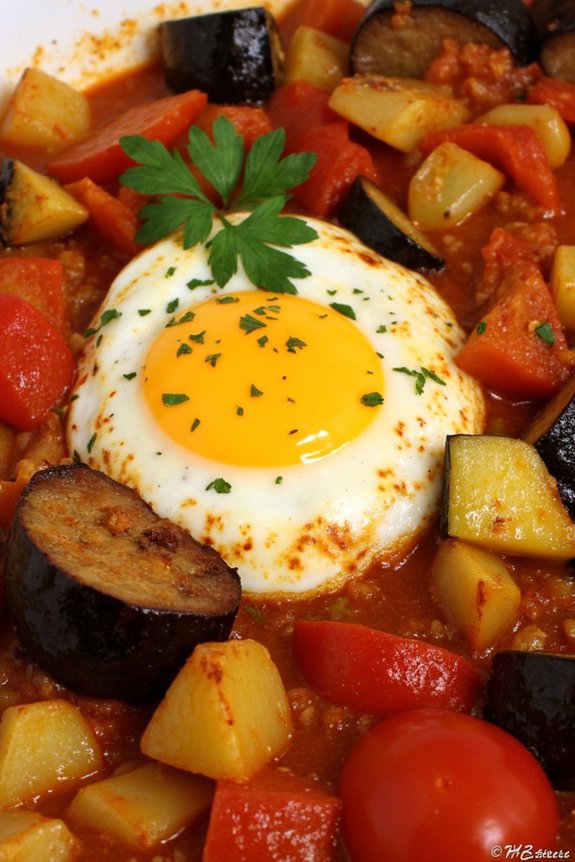
Pisto Manchego is a delightful Spanish dish that originates from the region of La Mancha. It’s a hearty, rustic vegetable stew that’s similar to ratatouille and is perfect for those weeknight dinners when you crave something comforting yet simple. This dish highlights the flavors of ripe tomatoes, bell peppers, zucchini, and eggplant, all slowly cooked together to create a beautiful medley of taste and texture.
Traditionally served with a fried egg or some crusty bread, Pisto Manchego is both a versatile and satisfying meal that offers a taste of authentic Spanish cuisine.
The beauty of Pisto Manchego lies in its simplicity and the quality of its ingredients. It’s a vegetarian dish that can easily be adapted for a vegan diet or enhanced with the addition of Serrano ham or chorizo for those who prefer meat.
As you prepare this dish, you’ll be greeted with the intoxicating aroma of garlic and olive oil mingling with fresh vegetables. Not only is this dish wholesome and delicious, but it also packs a punch of nutrition, making it a perfect choice for a family meal that serves 4-6 people.
Ingredients (serving size: 4-6 people):
- 2 tablespoons olive oil
- 1 large onion, finely chopped
- 3 cloves garlic, minced
- 2 red bell peppers, diced
- 1 green bell pepper, diced
- 1 medium eggplant, diced
- 2 zucchinis, diced
- 4 ripe tomatoes, chopped
- 1 teaspoon smoked paprika
- Salt and pepper to taste
- 1 teaspoon sugar (optional)
- 1 bay leaf
- 1 tablespoon chopped fresh parsley
- 4-6 eggs (optional, for serving)
- Crusty bread (optional, for serving)
Cooking Instructions:
- Prepare the Vegetables: Begin by washing all the vegetables thoroughly. Dice the onion, garlic, bell peppers, eggplant, and zucchinis into uniform pieces to guarantee they cook evenly. Chop the tomatoes and set all the vegetables aside.
- Sauté the Aromatics: Heat the olive oil in a large skillet or pot over medium heat. Add the chopped onion and garlic, and sauté until the onion becomes translucent and the garlic is fragrant, about 3-4 minutes.
- Cook the Vegetables: Add the diced bell peppers, eggplant, and zucchinis to the skillet. Stir well to coat the vegetables with the oil and aromatics. Let them cook for about 10 minutes, stirring occasionally, until they start to soften.
- Add the Tomatoes: Once the vegetables have softened, add the chopped tomatoes, smoked paprika, bay leaf, salt, pepper, and sugar (if using) to the skillet. Stir everything together, lower the heat, and let the mixture simmer for 20-25 minutes. The tomatoes should break down and create a thick sauce, enveloping the other vegetables.
- Finish the Stew: Taste the pisto and adjust the seasoning if necessary. Remove the bay leaf and sprinkle the fresh parsley over the top. If you wish to serve with eggs, crack them into the stew and cover the skillet until the eggs are cooked to your preferred doneness.
- Serve the Pisto Manchego: Serve the pisto hot, either on its own or with a side of crusty bread. If you’ve added eggs, serve each portion with a whole egg on top. Enjoy the rich, comforting flavors of this traditional Spanish dish.
Extra Tips: For an enhanced flavor, consider roasting the bell peppers before adding them to the stew; this will give them a smoky depth. If your tomatoes aren’t very ripe, you can use canned tomatoes for a richer sauce.
Feel free to experiment with other herbs like thyme or basil for a different flavor profile. Remember, the key to a good pisto is slow cooking, which allows the flavors to meld beautifully. The stew can be made a day in advance, as it often tastes better after the flavors have had time to develop.
Bacalao a La Vizcaína
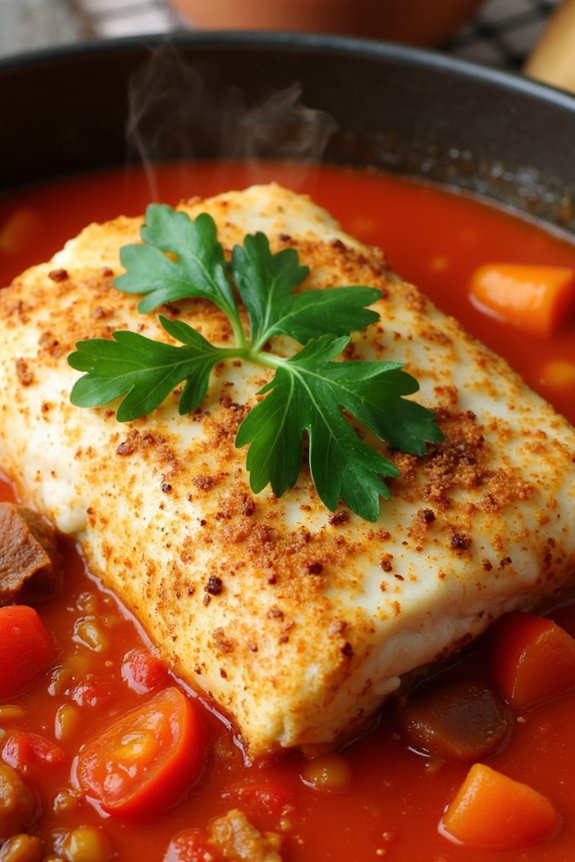
Bacalao a La Vizcaína is a classic Spanish dish hailing from the Basque region, known for its robust flavors and vibrant red sauce made primarily with red peppers and tomatoes. This dish showcases salted cod, which is a staple in many Spanish kitchens, providing a unique taste and texture that pairs beautifully with the rich, savory sauce.
Perfect for weeknight cooking, Bacalao a La Vizcaína is both comforting and satisfying, making it an ideal choice for family dinners or casual gatherings.
The preparation of Bacalao a La Vizcaína involves desalting the cod, an essential step that requires foresight, as the cod needs to be soaked in water for at least 24 hours prior to cooking, with the water being changed several times.
Once the cod is ready, it’s cooked in a luscious sauce made from a blend of onions, garlic, red bell peppers, tomatoes, and a touch of paprika, creating a harmonious balance of flavors. This dish, typically served with crusty bread or boiled potatoes, offers a taste of Spain that’s both authentic and accessible for home cooks.
Ingredients (Serves 4-6):
- 600 grams of salted cod fillets
- 2 large onions, thinly sliced
- 3 cloves of garlic, minced
- 2 red bell peppers, sliced
- 4 ripe tomatoes, peeled and chopped
- 3 tablespoons olive oil
- 1 teaspoon sweet paprika
- 1 bay leaf
- Salt and pepper to taste
- 1/4 cup green olives, pitted and sliced (optional)
- Fresh parsley, chopped (for garnish)
Cooking Instructions:
- Desalting the Cod: Begin by soaking the salted cod fillets in a large bowl of cold water for 24 to 48 hours. Change the water every 8 hours to guarantee the salt is removed thoroughly.
- Preparing the Sauce: Heat the olive oil in a large skillet over medium heat. Add the sliced onions and garlic, sautéing them until they become translucent and fragrant, about 5 minutes.
- Adding Vegetables: Incorporate the sliced red bell peppers into the skillet and continue to cook until they soften, around 5 more minutes.
- Tomato Base: Stir in the chopped tomatoes, sweet paprika, and bay leaf. Reduce the heat to low and let the mixture simmer for approximately 20 minutes, or until the sauce thickens.
- Cooking the Cod: Once the sauce is ready, gently add the desalted cod fillets to the skillet. Cover and cook for another 15-20 minutes, allowing the flavors to meld and the fish to cook through. Be careful not to overcook the cod, as it should remain tender.
- Finishing Touches: Taste the sauce and season with salt and pepper as needed. If using, add the sliced green olives and cook for an additional 5 minutes.
- Serving: Garnish with fresh chopped parsley and serve hot with crusty bread or boiled potatoes to soak up the delicious sauce.
Extra Tips:
When preparing Bacalao a La Vizcaína, make sure that you thoroughly desalt the cod fillets, as failure to do so can result in an overly salty dish.
If time is limited, you can expedite the desalting process by soaking the cod in a mixture of milk and water, which can help draw out more salt. Additionally, using high-quality olive oil and ripe, fresh tomatoes will enhance the depth of flavors in the sauce, making the dish even more delightful.
If you prefer a smoother sauce, consider blending the tomato mixture before adding the cod, creating a more uniform texture.
Pollo Al Ajillo
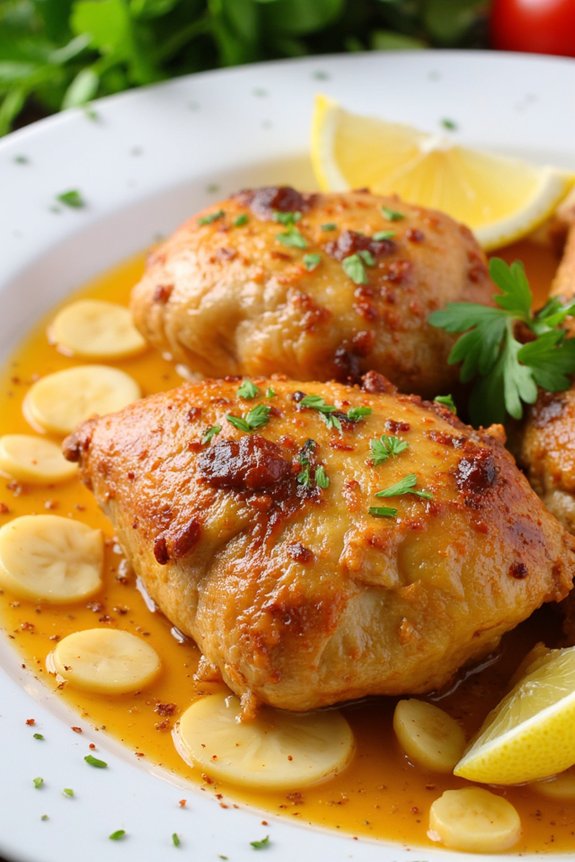
Pollo Al Ajillo, or garlic chicken, is a classic Spanish dish that perfectly balances simplicity and flavor, making it an ideal choice for weeknight cooking. This rustic dish highlights the essential elements of Spanish cuisine, utilizing just a few ingredients to create something truly delicious. The star of the dish is garlic, which infuses the chicken with its aromatic richness, complemented by a splash of white wine and a touch of heat from red pepper flakes.
The beauty of Pollo Al Ajillo lies in its versatility and the way it brings out the natural flavors of the chicken, making it a comforting yet sophisticated meal. Traditionally, this dish is made using bone-in chicken pieces, which help to keep the meat juicy and tender. As the chicken cooks, the skin becomes crispy, while the garlicky sauce thickens to create a flavorful coating.
This recipe for Pollo Al Ajillo serves 4-6 people and is ideal for those who want to experience the vibrant tastes of Spain from the comfort of their own kitchen. Served with crusty bread to soak up the delicious sauce or alongside a simple green salad, this dish is sure to be a hit at your dinner table.
Ingredients:
- 3 pounds bone-in, skin-on chicken thighs and drumsticks
- 10 cloves garlic, peeled and thinly sliced
- 1/4 cup olive oil
- 1 cup dry white wine
- 1 teaspoon red pepper flakes
- Salt and pepper to taste
- 2 tablespoons chopped fresh parsley
- Lemon wedges, for serving
Cooking Instructions:
- Prepare the Chicken: Pat the chicken pieces dry with paper towels and season generously with salt and pepper on all sides. This helps to create a crispy skin when cooking.
- Sauté the Garlic: In a large skillet or pan, heat the olive oil over medium heat. Add the sliced garlic and sauté until golden brown and fragrant, about 1-2 minutes. Be careful not to burn the garlic, as it will turn bitter.
- Brown the Chicken: Increase the heat to medium-high and add the chicken pieces to the pan, skin-side down. Cook until the skin is golden brown and crisp, about 5-7 minutes. Flip the chicken and brown the other side for an additional 5 minutes.
- Deglaze with Wine: Pour in the white wine and use a wooden spoon to scrape up any browned bits from the bottom of the pan. This adds depth to the sauce. Stir in the red pepper flakes.
- Simmer the Chicken: Reduce the heat to low, cover the pan, and let the chicken simmer for 25-30 minutes until cooked through and tender. The sauce should thicken slightly during this time.
- Garnish and Serve: Transfer the chicken to a serving platter, spooning the garlicky sauce over the top. Sprinkle with chopped parsley and serve with lemon wedges on the side for added freshness.
Extra Tips:
For even more flavor, marinate the chicken in olive oil, garlic, and herbs for a few hours before cooking. When selecting the wine, choose a good quality dry white wine, such as Sauvignon Blanc or Pinot Grigio, to guarantee the sauce is flavorful.
If you prefer a thicker sauce, remove the chicken once cooked and let the sauce reduce further over medium-high heat before serving. Don’t forget to have some crusty bread on hand to mop up all the delicious sauce.
Espinacas Con Garbanzos
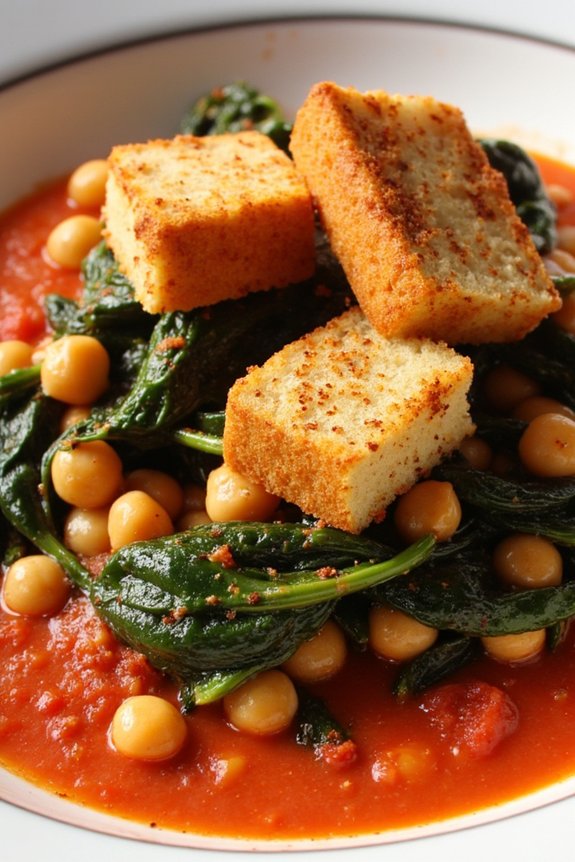
Espinacas Con Garbanzos, or Spinach with Chickpeas, is a traditional Spanish dish that’s both hearty and wholesome, making it perfect for weeknight cooking. This Andalusian classic is known for its rich flavors and comforting qualities, combining the earthiness of spinach with the creamy texture of chickpeas.
This dish isn’t only nutritious but also quick to prepare, making it an ideal choice for busy evenings when you want something delicious and satisfying without spending hours in the kitchen.
Infused with paprika and garlic, Espinacas Con Garbanzos is packed with vibrant flavors that embody the essence of Spanish cuisine. The dish is typically served as a tapa, but it can also be enjoyed as a main course, especially when paired with crusty bread or rice.
Whether you’re a seasoned cook or new to Spanish cooking, this recipe is simple to follow and promises to deliver a delightful experience for your taste buds.
Ingredients (Serving Size: 4-6 people):
- 2 tablespoons olive oil
- 4 cloves garlic, minced
- 1 teaspoon smoked paprika
- 1/4 teaspoon cayenne pepper (optional)
- 1 can (15 oz) chickpeas, drained and rinsed
- 10 oz fresh spinach, washed and roughly chopped
- 2 slices of day-old bread, cubed
- 1 tablespoon red wine vinegar
- Salt and pepper to taste
- 1/4 cup tomato sauce
- 1/2 cup vegetable broth
Cooking Instructions:
- Prepare the Bread Crumbs: Heat 1 tablespoon of olive oil in a large skillet over medium heat. Add the cubed bread and toast until golden brown and crispy. Remove the bread from the skillet and set aside.
- Sauté the Garlic: In the same skillet, add the remaining tablespoon of olive oil. Add the minced garlic and sauté for about 1 minute until fragrant, being careful not to burn it.
- Add Spices: Stir in the smoked paprika and cayenne pepper (if using) to the garlic, cooking for an additional 30 seconds to release their flavors.
- Cook the Chickpeas: Add the chickpeas to the skillet, stirring them with the garlic and spices. Cook for about 3-4 minutes until the chickpeas are well-coated and heated through.
- Incorporate the Spinach: Gradually add the spinach to the skillet, stirring continuously until the spinach wilts down and combines with the chickpeas.
- Simmer with Sauce: Pour in the tomato sauce, vegetable broth, and red wine vinegar. Stir everything together and let it simmer for about 5-7 minutes, allowing the flavors to meld together. Season with salt and pepper to taste.
- Finish the Dish: Add the toasted bread cubes to the skillet, mixing them into the chickpeas and spinach. Cook for an additional 2-3 minutes until the bread absorbs some of the sauce and the dish is heated through.
- Serve: Once done, serve the Espinacas Con Garbanzos hot, garnished with a little extra smoked paprika if desired. Enjoy it with crusty bread or as a standalone meal.
Extra Tips:
For a richer flavor, consider using a combination of smoked paprika and sweet paprika. If fresh spinach isn’t available, frozen spinach can be used, but make sure to thaw and drain it thoroughly before adding it to the dish.
Additionally, feel free to experiment with other greens like kale or Swiss chard if you want to add a twist to the traditional recipe. Ultimately, for an added crunch, sprinkle some toasted pine nuts or almonds on top before serving.
Calamares a La Romana
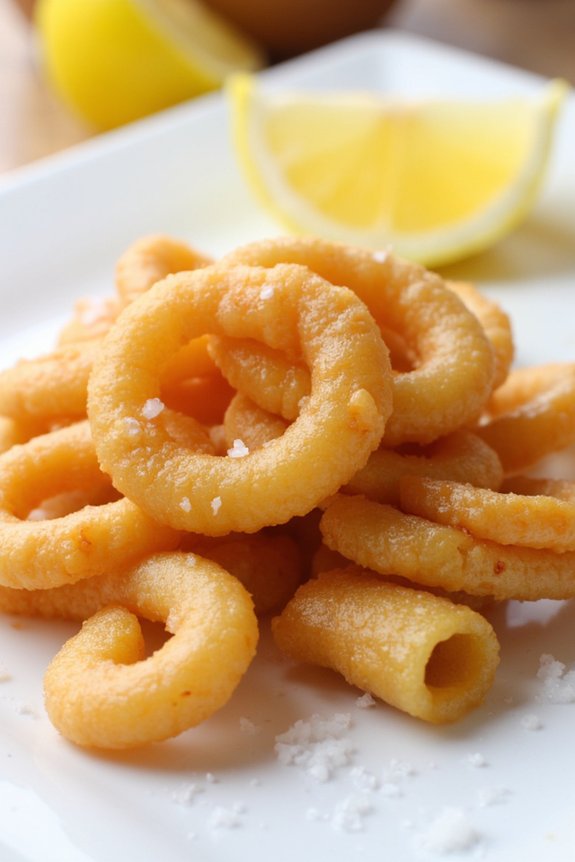
Calamares a La Romana, a classic Spanish dish, is a delightful way to bring a taste of Spain into your home. This recipe features crispy, golden fried squid rings that are both tender and flavorful. Perfect as an appetizer or a main course, Calamares a La Romana is a dish that will impress your family or guests with its simplicity and deliciousness.
The key to achieving the ideal texture is in the batter, which should be light and crisp, allowing the natural taste of the squid to shine through. This dish isn’t only quick to prepare but also requires minimal ingredients, making it an excellent choice for busy weeknight dinners.
Traditionally served with a wedge of lemon and a sprinkle of sea salt, Calamares a La Romana pairs wonderfully with a fresh salad or a side of aioli for dipping. With this recipe, you’ll be able to enjoy the classic flavors of Spain in the comfort of your own kitchen.
Ingredients (serves 4-6):
- 1 kg fresh squid, cleaned and cut into rings
- 200 g all-purpose flour
- 2 large eggs
- 200 ml cold water
- Salt, to taste
- Vegetable oil, for frying
- Lemon wedges, for serving
Cooking Instructions:
- Prepare the Squid: Start by cleaning the squid thoroughly. Remove the head, innards, and outer skin. Slice the cleaned squid into 1 cm thick rings. Pat them dry with paper towels to remove excess moisture, which helps the batter adhere better.
- Make the Batter: In a large bowl, mix the flour and a pinch of salt. In a separate bowl, beat the eggs and then add the cold water, stirring to combine. Gradually add the wet mixture to the flour, whisking continuously to form a smooth, lump-free batter.
- Heat the Oil: In a deep frying pan or pot, heat the vegetable oil over medium-high heat. The oil should be about 170-180°C (340-360°F) for ideal frying. You can test the temperature by dropping a small amount of batter into the oil; if it sizzles and rises to the top, it’s ready.
- Coat and Fry the Squid: Dip the squid rings into the batter, ensuring they’re fully coated. Carefully place the battered squid rings into the hot oil, frying in batches to avoid overcrowding. Fry each batch for about 2-3 minutes or until golden brown and crispy.
- Drain and Serve: Use a slotted spoon to remove the fried squid from the oil and drain on paper towels to remove excess oil. Immediately sprinkle with salt to taste and serve hot with lemon wedges on the side.
Extra Tips:
For the best results, make sure your squid is fresh and thoroughly dried before coating with batter. This prevents the batter from becoming soggy.
Additionally, keep the batter cold and the oil hot to achieve a crispy texture. If you prefer, you can substitute sparkling water for regular cold water in the batter to add extra crispiness.
Finally, avoid overcrowding the frying pan, as this will lower the oil temperature and result in greasy, rather than crispy, calamari.
Fabada Asturiana
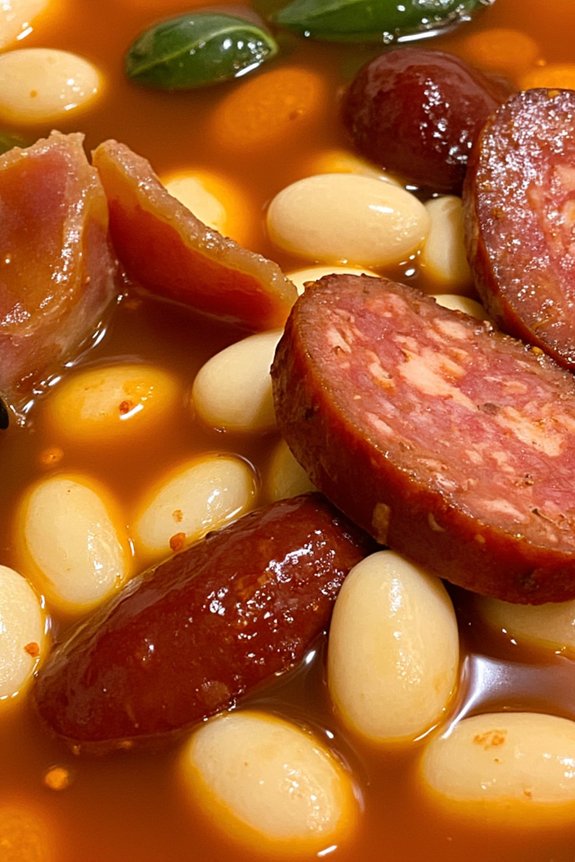
Fabada Asturiana is a traditional Spanish bean stew originating from the region of Asturias, known for its rich and hearty flavors. This comforting dish is perfect for a cozy weeknight meal, offering a satisfying combination of beans, pork, and spices.
Typically, Fabada Asturiana is prepared using large white beans known as fabes, along with a variety of Spanish cured meats like chorizo and morcilla (blood sausage), which impart a deep, smoky flavor to the stew. The dish is slow-cooked to allow the flavors to meld together, resulting in a robust and savory meal that’s sure to warm you up on a chilly evening.
The key to an authentic Fabada Asturiana lies in the quality of its ingredients. It’s important to use genuine Spanish chorizo and morcilla for the best results, as these sausages contribute considerably to the stew’s distinctive taste. The dish is traditionally made with lard or olive oil, adding richness to the broth.
While it might seem like a simple bean stew, the careful selection and preparation of ingredients make Fabada Asturiana a truly special dish. With a little time and patience, you can recreate this classic Spanish recipe in your own kitchen.
Ingredients for 4-6 servings:
- 500g dried white beans (fabes or cannellini)
- 1 Spanish chorizo sausage
- 1 Spanish morcilla sausage (blood sausage)
- 200g pancetta or slab bacon
- 1 onion, finely chopped
- 2 cloves garlic, minced
- 1 teaspoon sweet paprika
- 2 bay leaves
- 1 tablespoon olive oil
- Salt and pepper to taste
- 1.5 liters of water or chicken stock
Cooking Instructions:
- Prepare the Beans: Rinse the beans under cold water. Place them in a large bowl and cover with water, allowing them to soak overnight. This will help soften the beans and reduce cooking time.
- Cook the Meats: In a large pot, heat the olive oil over medium heat. Add the pancetta or slab bacon and cook until it becomes golden and releases its fat. Remove the pancetta from the pot and set aside.
- Sauté Aromatics: In the same pot, add the chopped onion and garlic. Sauté until the onion becomes translucent and fragrant. Stir in the sweet paprika and bay leaves, allowing them to cook for about 1 minute.
- Combine Ingredients: Drain the soaked beans and add them to the pot along with the reserved pancetta, chorizo, and morcilla. Pour in the water or chicken stock, ensuring all ingredients are submerged. Season with salt and pepper.
- Simmer the Stew: Bring the mixture to a gentle boil, then reduce the heat to low. Cover the pot and let it simmer for about 2-3 hours, or until the beans are tender and the flavors have melded together. Stir occasionally and add more water if necessary to keep the beans covered.
- Adjust Seasoning and Serve: Once the beans are fully cooked, taste and adjust the seasoning if needed. Remove the chorizo and morcilla, slice them into rounds, and return them to the pot. Serve the Fabada Asturiana hot, accompanied by crusty bread to sop up the delicious broth.
Extra Tips:
When preparing Fabada Asturiana, using high-quality Spanish chorizo and morcilla is essential, as they greatly enhance the stew’s flavor. If you can’t find fabes, cannellini beans are a good substitute.
The stew can be made a day in advance, allowing the flavors to deepen and improve overnight. Additionally, if you prefer a thicker broth, you can mash a few of the beans against the side of the pot during cooking.
Finally, be mindful of the salt content, as the sausages and pancetta already add saltiness to the dish.
