

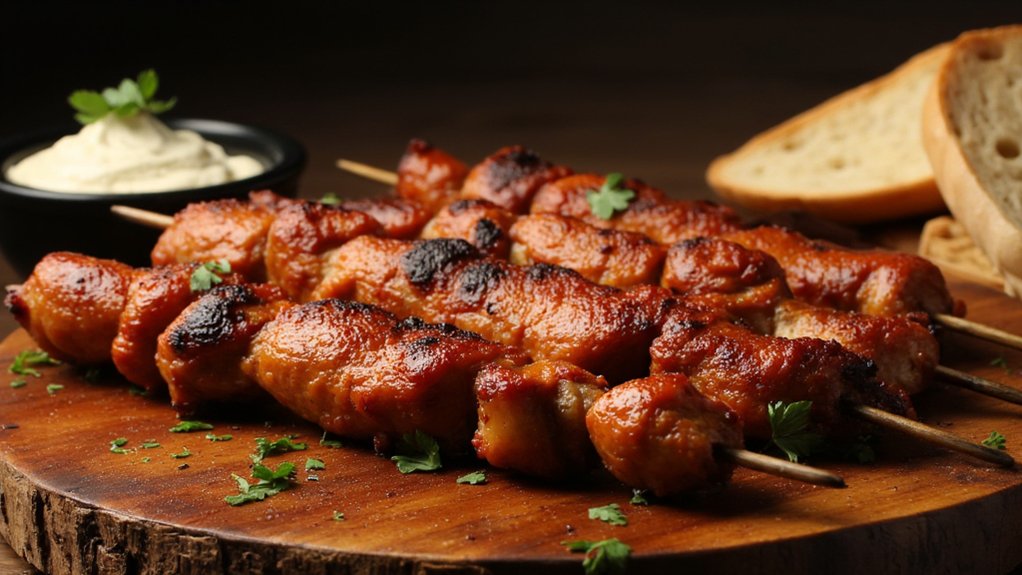
I am thrilled to introduce you to the delightful world of Spanish finger foods, where every bite bursts with tradition and flavor. Picture crispy Patatas Bravas covered in spicy sauce and the aromatic blend of garlic and shrimp in Gambas Al Ajillo. These dishes are perfect for gathering friends and family. Ever wondered about the secret to the perfect Tortilla Española? Let’s explore these delightful recipes that promise to turn any gathering into a culinary fiesta.
Patatas Bravas
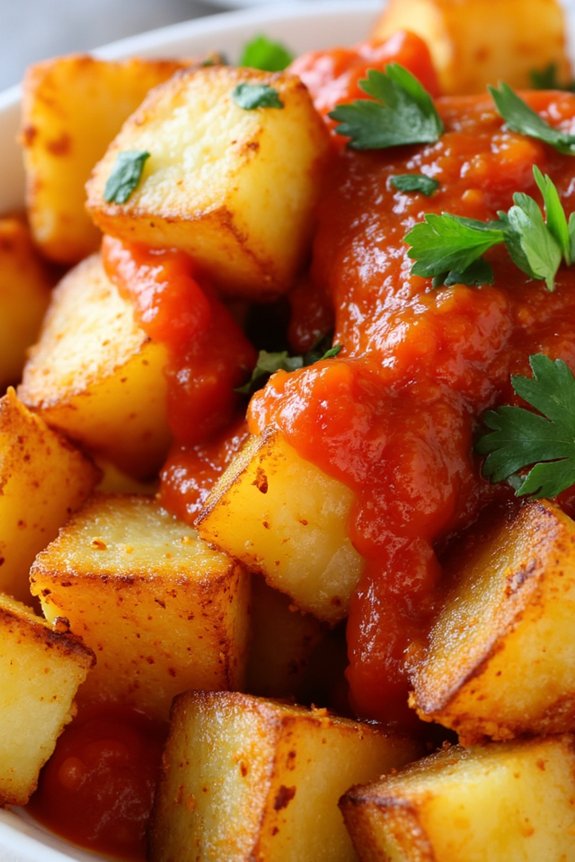
Patatas Bravas is a classic Spanish tapas dish that has won the hearts of many with its crispy potatoes and flavorful, spicy sauce. It’s a perfect finger food for parties or casual gatherings, combining the comfort of potatoes with a zesty kick. The name “Bravas” itself translates to “fierce,” aptly describing the fiery sauce that accompanies the potatoes.
While each region in Spain may have its own version, the essence remains the same—potatoes fried to golden perfection, served with a sauce that can range from mildly spicy to intensely fiery.
When preparing Patatas Bravas, it’s important to get the potatoes just right—crispy on the outside and tender on the inside. The key lies in selecting the right type of potato and making sure they’re fried at the right temperature. The sauce, typically a blend of tomatoes, vinegar, and spices, is where you can really let your culinary creativity shine.
Whether you prefer it smokier with paprika or tangier with extra vinegar, there’s plenty of room for personalization to suit your taste preferences.
Ingredients for 4-6 servings:
- 4 large potatoes (such as Russet or Yukon Gold)
- 2 tablespoons olive oil
- Salt to taste
- 1 cup tomato purée
- 2 tablespoons white wine vinegar
- 1 teaspoon smoked paprika
- 1/2 teaspoon cayenne pepper
- 1 clove garlic, minced
- Fresh parsley for garnish
Cooking Instructions:
- Prepare the Potatoes: Peel the potatoes and cut them into 1-inch cubes. Rinse them under cold water to remove excess starch, then pat them dry with a clean towel to make sure they fry evenly.
- Fry the Potatoes: Heat olive oil in a large skillet over medium-high heat. Once the oil is hot, carefully add the potato cubes in a single layer. Fry them for about 10-15 minutes, turning occasionally, until they’re golden brown and crispy on all sides. Remove the potatoes from the skillet and drain them on paper towels. Sprinkle with salt immediately while they’re still hot.
- Make the Bravas Sauce: In a separate saucepan, combine the tomato purée, white wine vinegar, smoked paprika, cayenne pepper, and minced garlic. Stir the mixture over medium heat until it begins to simmer. Allow it to cook for about 5-7 minutes, stirring occasionally, until the sauce thickens slightly and the flavors meld together.
- Combine and Serve: Transfer the fried potatoes to a serving dish and drizzle the bravas sauce generously over them. Garnish with freshly chopped parsley for a pop of color and added freshness.
Extra Tips:
To achieve the crispiest potatoes, make sure they’re thoroughly dried before frying. You might also consider frying them in batches to avoid overcrowding the pan, which can lead to steaming rather than frying.
If you prefer a milder sauce, adjust the amount of cayenne pepper to taste, or add a dollop of mayonnaise to the sauce for a creamy texture. Finally, Patatas Bravas is best enjoyed fresh; however, you can prepare the sauce ahead of time and reheat it just before serving.
Gambas Al Ajillo
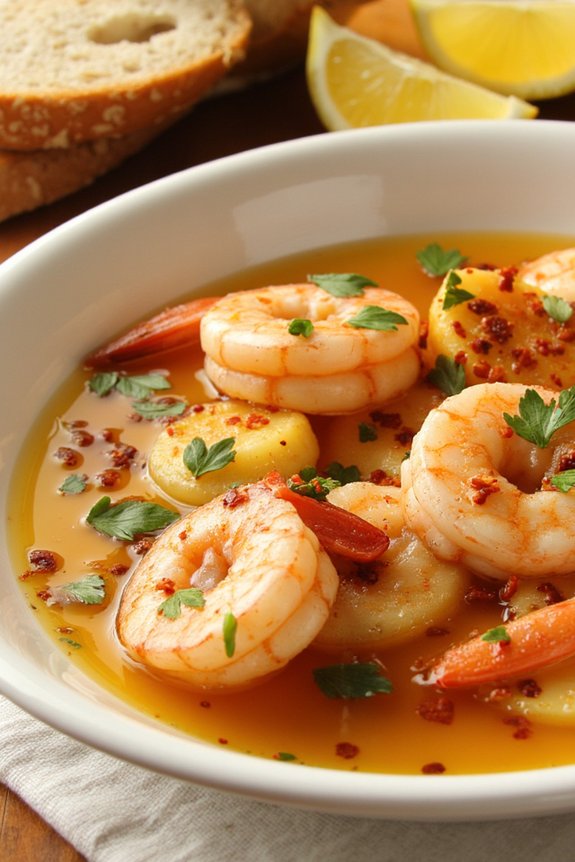
Gambas Al Ajillo, or garlic shrimp, is a classic Spanish tapas dish that captures the essence of Mediterranean flavors in its simplicity and deliciousness. This dish showcases fresh shrimp sautéed in a fragrant garlic-infused olive oil, often with a hint of heat from chili peppers, and finished with a touch of parsley and lemon. It’s perfect for sharing with friends over a glass of wine or as a delightful starter for a dinner party.
The key to an authentic Gambas Al Ajillo lies in using fresh, high-quality shrimp and good olive oil, which forms the base of the dish’s flavor. The shrimp are cooked just until tender, allowing them to absorb the aromatic garlic and spicy chilies. Served with crusty bread, this dish encourages diners to soak up every bit of the flavorful oil, making it a truly communal and satisfying culinary experience.
Ingredients for 4-6 servings:
- 1 1/2 pounds (about 700 grams) large shrimp, peeled and deveined
- 1/2 cup extra virgin olive oil
- 6-8 large garlic cloves, thinly sliced
- 1-2 dried red chili peppers, seeded and crushed (or 1 teaspoon red pepper flakes)
- 1 teaspoon smoked paprika (optional)
- Salt to taste
- Freshly ground black pepper to taste
- 2 tablespoons fresh parsley, chopped
- 1 lemon, cut into wedges
- Crusty bread, for serving
Cooking Instructions:
- Prepare the Ingredients: Begin by peeling and deveining the shrimp if not already done. Pat them dry with paper towels to guarantee they cook evenly and quickly. Thinly slice the garlic cloves and crush the dried chili peppers if using whole ones.
- Heat the Olive Oil: In a large skillet or frying pan, heat the olive oil over medium heat. Once the oil is warm, but not smoking, add the sliced garlic and crushed chili peppers. Cook gently, stirring occasionally, until the garlic turns a light golden brown, being careful not to burn it.
- Cook the Shrimp: Increase the heat to medium-high and add the prepared shrimp to the skillet. Season with salt, black pepper, and smoked paprika if using. Cook the shrimp for about 2-3 minutes on each side, or until they turn pink and opaque throughout.
- Finish with Parsley and Lemon: Remove the skillet from heat and stir in the chopped parsley. Adjust the seasoning if necessary. Squeeze fresh lemon juice over the shrimp just before serving to add a bright, fresh flavor.
- Serve Immediately: Transfer the shrimp and garlic oil to a serving dish. Serve hot with crusty bread on the side, allowing guests to dip the bread into the flavorful oil.
Extra Tips:
To guarantee maximum flavor, use the freshest shrimp you can find and don’t overcook them, as they can become tough. If you prefer a milder dish, reduce the amount of chili or omit it entirely. For an extra layer of flavor, try adding a splash of dry white wine to the skillet just before adding the shrimp.
This dish is best enjoyed immediately after cooking, so have your bread ready and gather your guests around for a delightful Spanish finger food experience.
Tortilla Española
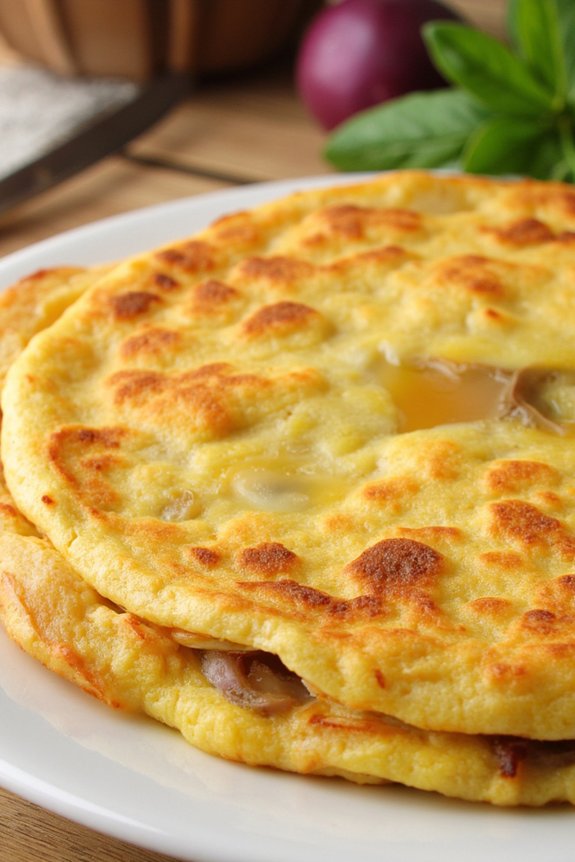
Tortilla Española, also known as Spanish omelette, is a classic and beloved dish that hails from Spain. It’s a simple yet satisfying dish primarily made with eggs, potatoes, and onions. Often served as a tapa, or small plate, Tortilla Española is perfect for gatherings and can be enjoyed warm or at room temperature. This dish exemplifies the beauty of Spanish cuisine, which focuses on quality ingredients and straightforward preparation to create delicious flavors.
In Spanish households, Tortilla Española is a staple and often appears on the table as a snack, appetizer, or even as a main course. Its versatility and hearty nature make it a favorite for many. The key to a perfect Tortilla Española lies in the technique of slow-cooking the potatoes and onions until they’re soft and flavorful, and then carefully combining them with beaten eggs to form a thick, golden omelette. The result is a dish that’s both comforting and robust, with a wonderful balance of textures and flavors.
Ingredients (serving size: 4-6 people):
- 6 large eggs
- 4 medium potatoes (about 2 pounds)
- 1 large onion
- 1/2 cup olive oil
- Salt to taste
- Black pepper to taste
Cooking Instructions:
- Prepare the Ingredients: Begin by peeling the potatoes and cutting them into thin slices, approximately 1/8 inch thick. Peel and thinly slice the onion as well.
- Cook the Potatoes and Onions: In a large non-stick frying pan, heat the olive oil over medium heat. Add the sliced potatoes and onions, stirring to coat them evenly with oil. Season with a pinch of salt. Cook them slowly, stirring occasionally, for about 20-25 minutes, or until the potatoes are tender and the onions are translucent. Avoid browning the potatoes and onions; they should be soft but not crispy.
- Drain and Cool: Once cooked, use a slotted spoon to transfer the potatoes and onions to a colander placed over a bowl to drain excess oil. Allow them to cool slightly.
- Beat the Eggs: In a large bowl, beat the eggs with a little salt and pepper until well mixed. Carefully add the cooled potatoes and onions to the eggs, gently stirring to combine.
- Cook the Omelette: Wipe the frying pan clean and add a tablespoon of the reserved olive oil. Heat over medium heat. Pour the egg, potato, and onion mixture into the pan, spreading it evenly. Cook on one side for about 6-8 minutes, or until the edges are set and the bottom is lightly browned.
- Flip the Tortilla: To flip the tortilla, place a large plate over the pan and carefully invert the pan so the tortilla falls onto the plate. Slide the tortilla back into the pan to cook the other side for another 4-5 minutes, until it’s firm and cooked through.
- Serve: Allow the tortilla to cool slightly before slicing it into wedges. Serve warm or at room temperature.
Extra Tips:
For a richer flavor, you can add a clove of minced garlic or a handful of chopped parsley to the potato and onion mixture while cooking. If you prefer a thicker tortilla, use a smaller pan to achieve greater height. When flipping the tortilla, be cautious as the oil can be hot. If you find flipping difficult, you can finish cooking the tortilla in an oven-safe pan under a broiler for a few minutes until the top is set.
Tortilla Española can also be made a day in advance and served cold, as the flavors continue to develop after sitting overnight.
Croquetas De Jamón
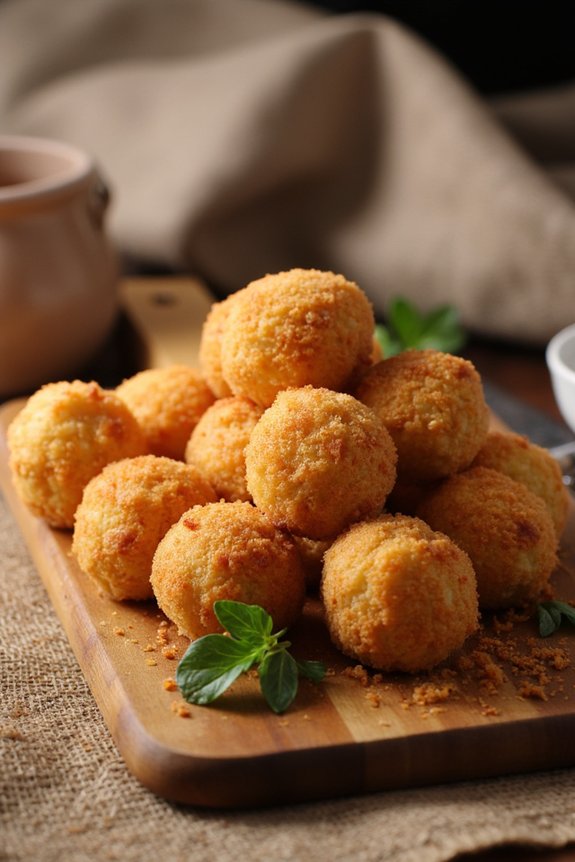
Croquetas De Jamón, or ham croquettes, are a quintessential Spanish finger food that captures the essence of Spain’s rich culinary traditions. These delightful bite-sized morsels are crispy on the outside and creamy on the inside, with a savory flavor that comes from the combination of cured ham and a béchamel sauce.
Originating in Spain, croquetas have become a popular tapas choice both in their homeland and around the world. Whether served as an appetizer or a snack, they’re sure to be a hit at any gathering.
The key to making perfect Croquetas De Jamón lies in achieving the right balance between the creamy béchamel filling and the crispy breaded exterior. The process involves creating a rich, flavorful béchamel sauce infused with finely chopped jamón serrano, which is then chilled, shaped, and coated in breadcrumbs before frying to a golden brown perfection.
These croquettes are best enjoyed fresh from the fryer, offering a delightful contrast of textures and flavors in every bite.
Ingredients (Serves 4-6):
- 1 cup finely chopped jamón serrano
- 4 tablespoons unsalted butter
- 1/2 cup all-purpose flour
- 2 cups whole milk, warmed
- Salt and freshly ground black pepper, to taste
- A pinch of nutmeg
- 2 large eggs, beaten
- 2 cups breadcrumbs
- Vegetable oil for frying
Instructions:
- Prepare the Béchamel Sauce:
- In a medium saucepan, melt the butter over medium heat. Once melted, add the flour and stir continuously to form a roux. Cook for about 2 minutes, making sure the mixture doesn’t brown.
- Incorporate Milk:
- Gradually add the warmed milk to the roux, whisking constantly to prevent lumps. Continue to cook and stir until the sauce thickens and becomes smooth, about 10 minutes.
- Add Seasoning and Ham:
- Stir in the finely chopped jamón serrano, a pinch of nutmeg, and season with salt and pepper to taste. Cook for another 2 minutes, then remove from heat.
- Chill the Mixture:
- Transfer the béchamel mixture to a shallow dish and spread it evenly. Allow it to cool to room temperature, then cover and refrigerate for at least 2 hours, or until it’s firm enough to shape.
- Shape the Croquettes:
- Once firm, take about a tablespoon of the mixture and shape it into a small cylinder or oval. Repeat with the remaining mixture.
- Coat the Croquettes:
- Prepare a breading station with beaten eggs in one bowl and breadcrumbs in another. Dip each croquette first in the egg, letting any excess drip off, then roll it in the breadcrumbs until fully coated.
- Fry the Croquettes:
- In a deep skillet or fryer, heat vegetable oil to 350°F (175°C). Fry the croquettes in batches, making sure not to overcrowd the pan, until they’re golden brown and crispy, about 3-4 minutes per batch. Drain on paper towels.
Extra Tips:
For the best results, make sure the béchamel mixture is thoroughly chilled before shaping. This will make the croquettes easier to handle and form.
When frying, maintain the oil temperature by not overcrowding the pan; this guarantees even cooking and a perfect crispy texture. If you prefer a more intense ham flavor, you can substitute some of the milk with chicken broth while making the béchamel sauce.
Enjoy your Croquetas De Jamón hot, as they’re most delicious when freshly fried.
Pan Con Tomate
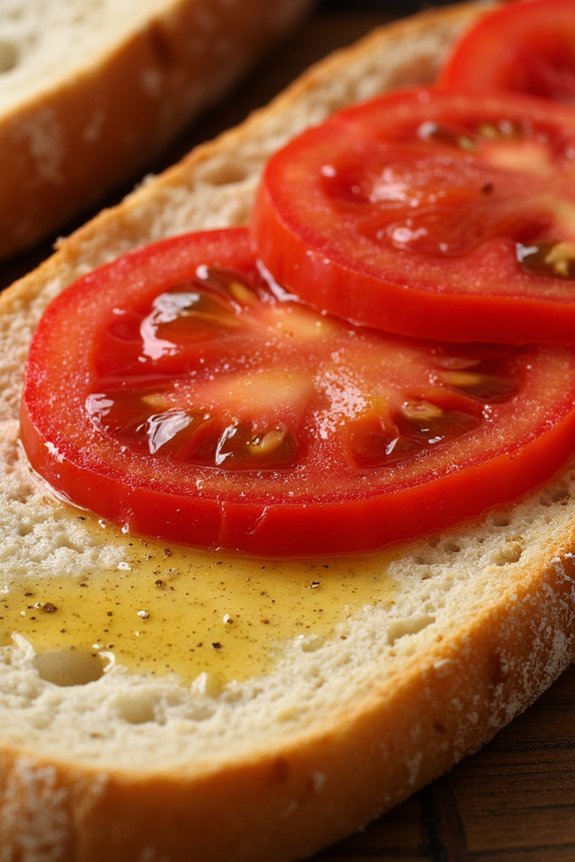
Pan Con Tomate, also known as “pan tumaca” in Catalonia, is a classic Spanish finger food that highlights the simplicity and deliciousness of Mediterranean ingredients. This traditional dish is a staple in Spanish cuisine, often served as a tapa or as a light breakfast. The beauty of Pan Con Tomate lies in its ability to transform simple ingredients into a mouthwatering delight. It combines the rustic flavors of crusty bread, ripe tomatoes, fruity olive oil, and aromatic garlic to create a harmonious bite that captivates the palate.
Originally from Catalonia, this dish has gained popularity throughout Spain and beyond, thanks to its versatility and ease of preparation. The key to a perfect Pan Con Tomate is using high-quality ingredients: fresh, ripe tomatoes, good olive oil, and a loaf of rustic bread. Whether enjoyed on its own or paired with other Spanish delicacies like jamón or cheese, this dish is a reflection of the beauty of minimalism in cooking.
Ingredients for 4-6 servings:
- 1 large loaf of rustic bread or baguette
- 4 large ripe tomatoes
- 2 cloves of garlic
- 1/4 cup extra virgin olive oil
- Sea salt to taste
Cooking Instructions:
- Prepare the Bread: Slice the loaf of rustic bread or baguette into thick slices, approximately 1 to 1.5 inches thick. Toast the slices on a grill or in a skillet over medium heat until they’re golden and crispy on both sides. This should take about 2-3 minutes per side. Once toasted, set aside to cool slightly.
- Prepare the Tomatoes: Wash the tomatoes thoroughly. Cut each tomato in half crosswise. Using a box grater placed over a bowl, grate the cut side of the tomato until only the skin remains. Discard the skins, and you’ll be left with a fresh tomato pulp.
- Prepare the Garlic: Peel the garlic cloves and cut them in half. Rub the cut side of the garlic over the surface of each slice of toasted bread. This will impart a subtle garlic flavor without overwhelming the taste of the dish.
- Assemble the Pan Con Tomate: Spoon a generous amount of the tomato pulp onto each slice of garlic-rubbed bread. Spread it evenly to cover the surface. Drizzle extra virgin olive oil over the tomato layer, allowing it to seep into the bread.
- Season and Serve: Sprinkle a pinch of sea salt over each slice to enhance the flavors. Serve immediately while the bread is still warm, allowing the guests to experience the full flavor of this classic Spanish dish.
Extra Tips:
For an added depth of flavor, consider using heirloom tomatoes, which have a richer taste than regular varieties. If you prefer a bit of heat, you can incorporate a pinch of red pepper flakes on top of the tomato pulp.
Additionally, Pan Con Tomate pairs beautifully with a variety of toppings such as thin slices of jamón ibérico, manchego cheese, or anchovies. This dish is best enjoyed fresh, so prepare it just before serving to maintain the crispiness of the bread and the freshness of the tomatoes.
Chorizo Al Vino
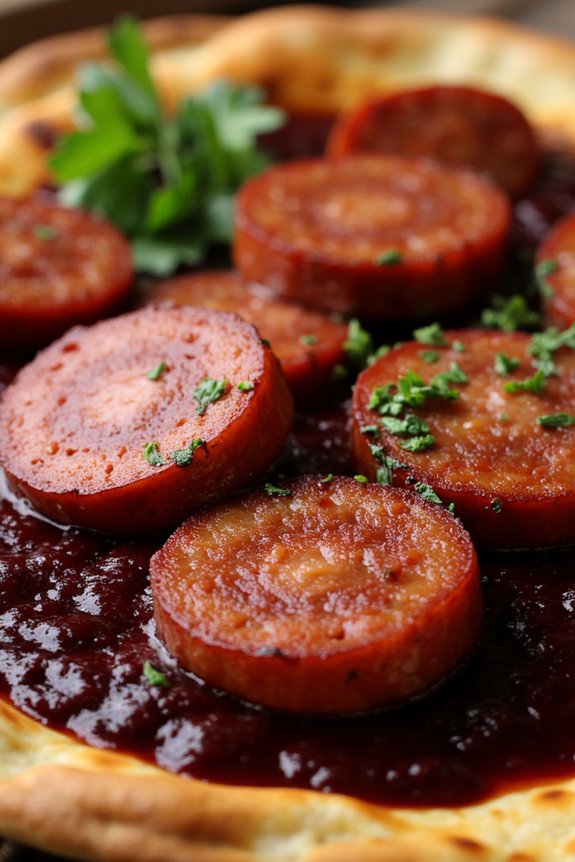
Chorizo Al Vino is a classic Spanish tapa that combines the rich, spicy flavors of chorizo with the depth of red wine, creating a dish that’s both simple and sophisticated. This delightful finger food is perfect for gatherings, offering a taste of Spain that’s sure to impress your guests.
The chorizo is simmered in wine until it becomes tender and infused with the wine’s deep flavors, making it an irresistible treat. This recipe is designed to serve 4-6 people, making it an ideal choice for a small dinner party or family gathering.
The preparation is straightforward, requiring only a few ingredients, but the result is a mouthwatering dish that makes for a grand centerpiece on any tapas spread. Here’s how to make Chorizo Al Vino:
Ingredients:
- 500g Spanish chorizo sausage
- 1 cup (240ml) red wine (preferably Spanish Rioja)
- 2 tablespoons olive oil
- 2 cloves garlic, finely chopped
- 1 bay leaf
- Fresh parsley, chopped (for garnish)
- Salt and pepper to taste
Instructions:
- Prepare the Chorizo: Start by slicing the chorizo into thick rounds, about 1/2 inch thick. This will help them cook evenly and absorb the flavors of the wine.
- Heat the Olive Oil: In a large skillet or frying pan, heat the olive oil over medium heat. Add the chopped garlic and sauté for about 1 minute until it becomes fragrant but not browned.
- Cook the Chorizo: Add the sliced chorizo to the pan. Cook for about 5-7 minutes, stirring occasionally, until the chorizo begins to brown and release its flavors into the oil.
- Add the Wine and Bay Leaf: Pour the red wine over the chorizo and add the bay leaf. Stir to combine and bring the mixture to a gentle simmer.
- Simmer the Chorizo: Allow the chorizo to simmer in the wine for about 15-20 minutes, stirring occasionally. The wine will reduce and thicken, coating the chorizo with its rich flavor. Confirm the chorizo is tender and fully infused with the wine.
- Season the Dish: Taste and season with salt and pepper as needed. Be cautious with the salt as the chorizo is already salty.
- Serve and Garnish: Remove the bay leaf before serving. Transfer the chorizo to a serving dish and garnish with freshly chopped parsley. Serve hot with crusty bread for dipping into the sauce.
Extra Tips:
For the best results, use high-quality Spanish chorizo as it has the ideal amount of spice and flavor. If you can find it, use a Spanish Rioja wine, which pairs perfectly with the chorizo’s spices.
The dish can be prepared a few hours in advance and gently reheated, allowing the flavors to meld further. For a smokier flavor, you can opt for smoked paprika chorizo.
Always consider serving this dish with plenty of bread to soak up the delicious wine sauce, guaranteeing nothing goes to waste.
Pimientos De Padrón
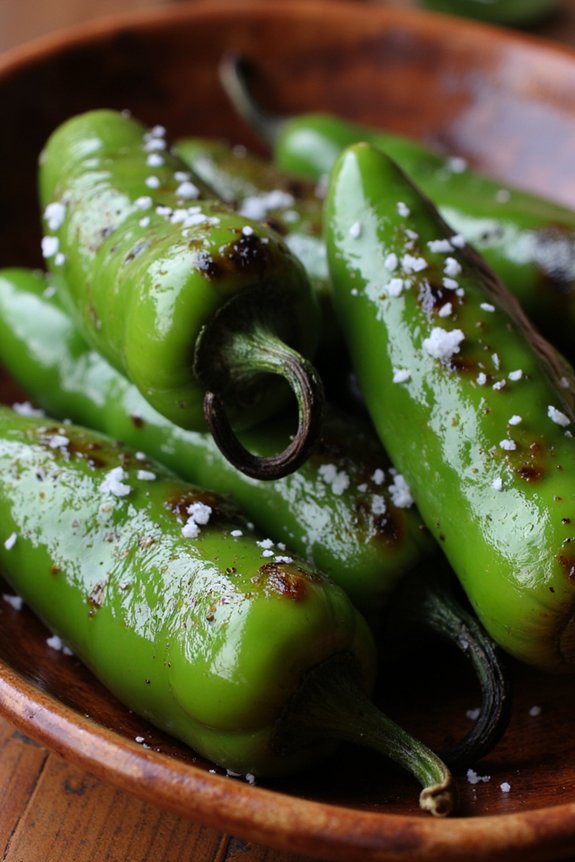
The dish is traditionally cooked by sautéing the peppers in olive oil and seasoning them with coarse sea salt. The peppers blister and char slightly, bringing out their smoky and slightly sweet flavor. With only a few ingredients needed, Pimientos De Padrón are both quick to make and delightful to eat.
They’re usually served warm, straight from the pan, and can be paired with a variety of Spanish wines or even a cold beer.
Ingredients for 4-6 people:
- 500 grams of Padrón peppers
- 2 tablespoons of extra virgin olive oil
- Coarse sea salt (to taste)
Cooking Instructions:
- Prepare the Peppers: Begin by thoroughly washing the Padrón peppers under cold running water. Pat them dry using a clean kitchen towel or paper towels to make sure they’re completely dry before cooking.
- Heat the Oil: In a large frying pan or skillet, heat the extra virgin olive oil over medium-high heat. Make sure the pan is large enough to hold all the peppers in a single layer for even cooking.
- Cook the Peppers: Once the oil is hot but not smoking, add the Padrón peppers to the pan. Allow them to cook for about 5-7 minutes, stirring occasionally. You want the peppers to blister and char slightly on the outside. Be cautious, as the oil may splatter.
- Season: Once the peppers are evenly blistered, remove the pan from heat. Transfer the peppers to a serving dish using a slotted spoon to drain excess oil. Sprinkle with coarse sea salt generously to taste.
- Serve: Serve the Pimientos De Padrón immediately while they’re still warm. They’re best enjoyed fresh from the pan.
Extra Tips:
When making Pimientos De Padrón, it’s important to use high-quality extra virgin olive oil as it adds a rich flavor to the dish.
Be mindful of the heat level; if the oil gets too hot, the peppers can burn quickly.
It’s also worth noting that about 1 in 10 Padrón peppers can be surprisingly spicy, adding an element of fun and unpredictability to this simple dish.
Enjoy them with a revitalizing drink, and for an authentic touch, serve them alongside other tapas to create a true Spanish experience.
Albondigas En Salsa
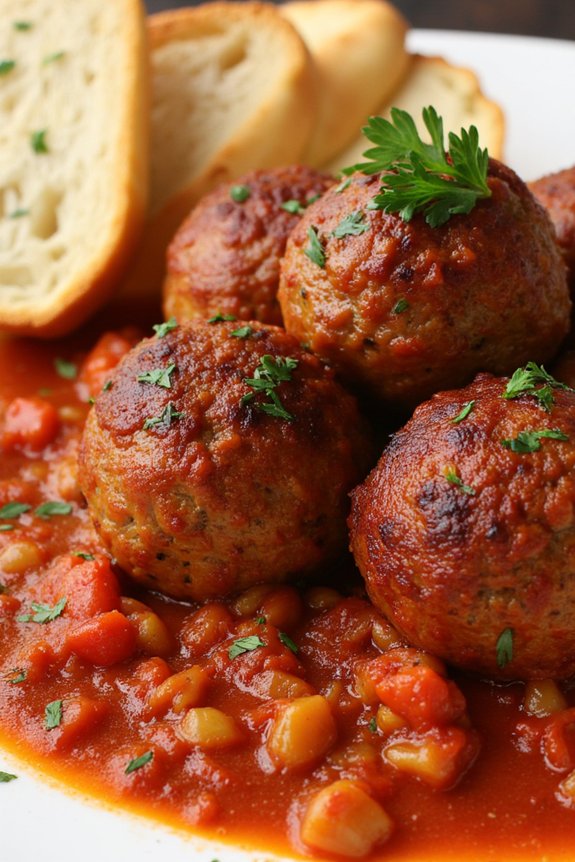
Albondigas En Salsa, or Spanish meatballs in sauce, is a classic tapas dish that embodies the rich and vibrant flavors of Spain. These tender, juicy meatballs are simmered in a savory tomato-based sauce, making them a delightful finger food perfect for any gathering. The key to achieving the authentic taste of Albondigas En Salsa is in the blend of spices and the slow cooking process, which allows the flavors to meld together beautifully.
This dish is perfect for serving a crowd and can be enjoyed hot or at room temperature, making it an ideal choice for parties or family dinners. The meatballs are typically made with a mixture of ground beef and pork, seasoned with garlic, parsley, and nutmeg, then simmered in a sauce made from tomatoes, onions, and white wine. Serve these delicious meatballs with crusty bread or skewers for an authentic Spanish tapas experience.
Ingredients for 4-6 people:
- 250 grams ground beef
- 250 grams ground pork
- 2 cloves garlic, minced
- 1 egg
- 50 grams breadcrumbs
- 1 tablespoon chopped fresh parsley
- 1/4 teaspoon ground nutmeg
- Salt and pepper, to taste
- 2 tablespoons olive oil
- 1 medium onion, finely chopped
- 400 grams canned chopped tomatoes
- 100 ml white wine
- 1 teaspoon sugar
- 1 bay leaf
Cooking Instructions:
- Prepare the Meatballs: In a large bowl, combine the ground beef, ground pork, minced garlic, egg, breadcrumbs, parsley, nutmeg, salt, and pepper. Mix well until all ingredients are thoroughly combined. Form the mixture into small meatballs, about the size of a walnut.
- Brown the Meatballs: Heat the olive oil in a large skillet over medium heat. Add the meatballs in batches, ensuring not to overcrowd the pan. Cook until they’re browned on all sides, about 5-7 minutes. Remove the meatballs from the skillet and set aside.
- Prepare the Sauce: In the same skillet, add the chopped onion and sauté until soft and translucent, about 5 minutes. Add the canned tomatoes, white wine, sugar, and bay leaf. Stir well and bring to a simmer.
- Simmer the Meatballs: Return the browned meatballs to the skillet with the sauce. Cover and let them simmer on low heat for 20-25 minutes, or until the meatballs are cooked through and the sauce has thickened slightly.
- Serve: Remove the bay leaf before serving. Transfer the Albondigas En Salsa to a serving dish and enjoy with crusty bread or skewers.
Extra Tips:
For an even more authentic flavor, consider using Spanish paprika or smoked paprika in the meatball mixture to add a hint of smokiness. Make sure not to overmix the meatball ingredients, as this can make them tough.
If you prefer a smoother sauce, you can blend the tomato sauce before adding the meatballs back to the skillet. Additionally, these meatballs can be made a day in advance and reheated, as the flavors tend to develop and improve overnight.
Boquerones En Vinagre
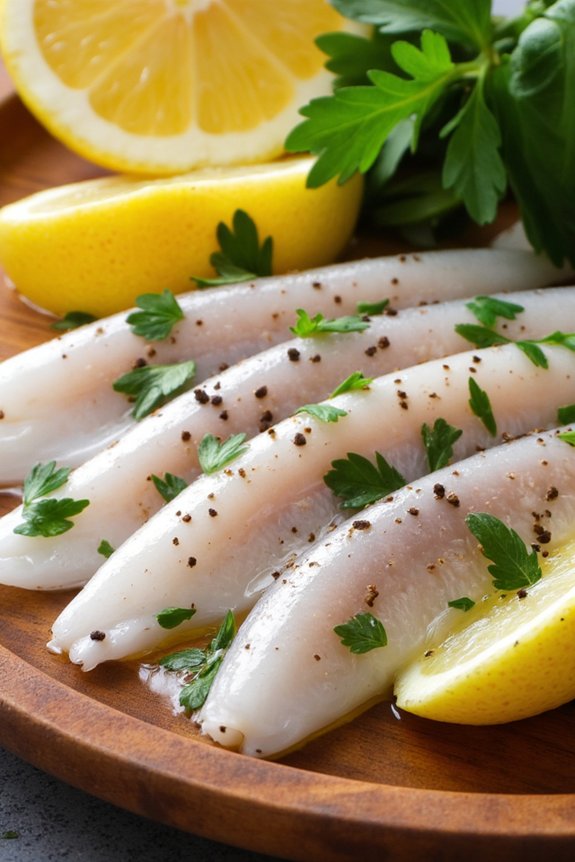
- 500g fresh anchovies
- 250ml white wine vinegar
- 125ml water
- 3 cloves of garlic, finely chopped
- 4 tablespoons extra virgin olive oil
- Salt, to taste
- Freshly ground black pepper, to taste
- A handful of fresh parsley, finely chopped
- Lemon wedges, for serving
Cooking Instructions:
- Clean the Anchovies: Begin by cleaning the anchovies. Remove the heads and guts, then carefully rinse the fish under cold water. Use your fingers to gently open the anchovies and remove the backbone, leaving you with two fillets. Repeat until all anchovies are filleted.
- Prepare the Marinade: In a bowl, mix together the white wine vinegar and water. Submerge the cleaned anchovy fillets in this mixture. Ascertain that the fillets are completely covered by the liquid to guarantee even marination.
- Marinate the Anchovies: Cover the bowl with plastic wrap and place it in the refrigerator. Allow the anchovies to marinate for 4-6 hours, or until they’ve turned a white color indicating they’ve been “cooked” by the vinegar.
- Season the Anchovies: After marination, drain the vinegar mixture and gently pat the anchovies dry with paper towels. Arrange the fillets in a shallow dish and sprinkle with the finely chopped garlic and parsley. Drizzle with extra virgin olive oil and season with salt and freshly ground black pepper to taste.
- Serve: Let the boquerones rest for about 30 minutes at room temperature to absorb the flavors. Serve them as tapas on a plate, garnished with lemon wedges, or enjoy them atop slices of crusty bread.
Extra Tips:
To enhance the flavor, you can add a pinch of chili flakes or a dash of lemon zest to the seasoning. If you prefer a less tangy taste, reduce the marination time slightly.
Always ascertain your anchovies are fresh, as this greatly impacts the dish’s flavor and safety. For a more complex flavor profile, consider adding a few capers or olives to the dish before serving.
Empanadas Gallegas
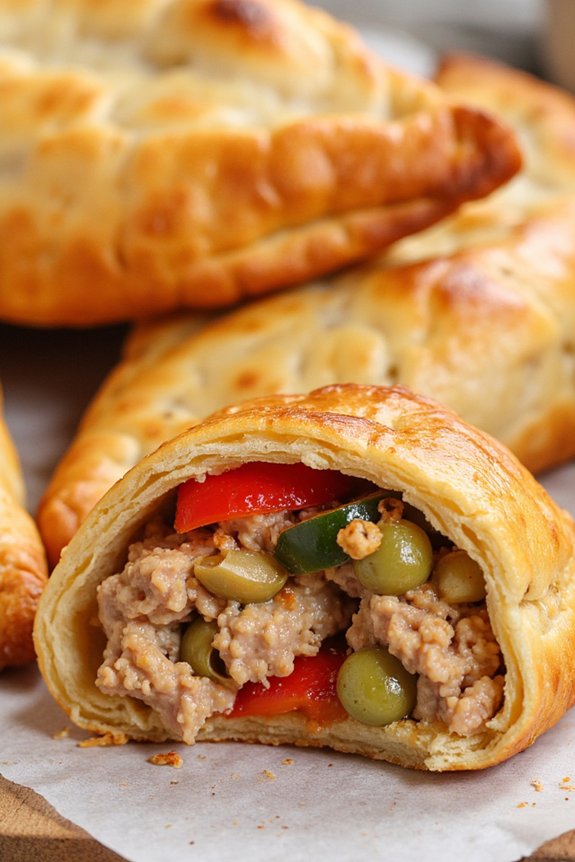
In this recipe, we’ll be preparing a classic version of Empanadas Gallegas filled with tuna, bell peppers, and onions. The filling is seasoned with paprika and bay leaves, which provide depth and a slightly smoky flavor.
The dough is made from scratch, ensuring a tender and buttery texture that complements the robust filling. This recipe is designed to serve 4-6 people, making it ideal for family dinners or entertaining guests.
Ingredients (serves 4-6):
- For the Dough:
- 3 cups all-purpose flour
- 1 teaspoon salt
- 1 teaspoon baking powder
- 1/2 cup cold unsalted butter, cubed
- 2 large eggs
- 1/2 cup cold water
- For the Filling:
- 2 tablespoons olive oil
- 1 large onion, finely chopped
- 1 red bell pepper, diced
- 1 green bell pepper, diced
- 2 cloves garlic, minced
- 2 cans (6 oz each) tuna, drained
- 1 teaspoon smoked paprika
- 1 bay leaf
- Salt and pepper to taste
- 2 tablespoons tomato paste
- 1/4 cup green olives, sliced
- 1 egg, beaten (for egg wash)
Cooking Instructions:
- Prepare the Dough:
- In a large bowl, combine the flour, salt, and baking powder. Add the cubed butter and mix until the mixture resembles coarse crumbs.
- In a separate bowl, beat the eggs and mix them with cold water. Gradually add this to the flour mixture, stirring until a dough forms.
- Knead the dough on a lightly floured surface until smooth. Wrap in plastic wrap and refrigerate for at least 30 minutes.
- Make the Filling:
- Heat olive oil in a large skillet over medium heat. Add the chopped onion and cook until soft, about 5 minutes.
- Add the red and green bell peppers and garlic, cooking for another 3 minutes.
- Stir in the drained tuna, smoked paprika, bay leaf, salt, pepper, and tomato paste. Cook for 5-7 minutes until everything is well combined and heated through.
- Remove the bay leaf and stir in the sliced olives. Allow the filling to cool slightly.
- Assemble the Empanadas:
- Preheat your oven to 375°F (190°C). Divide the dough into two equal parts.
- Roll out one half on a floured surface to fit a large baking sheet. Spread the tuna filling evenly over the rolled-out dough, leaving a margin around the edges.
- Roll out the second half of the dough and place it over the filling. Press the edges together to seal and crimp them with a fork.
- Bake the Empanadas:
- Brush the top of the empanada with the beaten egg to create a golden crust.
- Cut a few small slits on the top to allow steam to escape. Bake for 35-40 minutes or until the crust is golden brown.
- Let it cool slightly before cutting into squares and serving.
Extra Tips:
For a more authentic taste, try using Spanish pimentón (smoked paprika) which adds a distinctive smoky flavor to the filling.
If you prefer a meat alternative, cooked chicken or beef can replace the tuna. Additionally, be sure to let the filling cool before assembling the empanadas; this prevents the dough from becoming soggy.
When sealing the edges, make sure they’re tightly pressed to avoid any filling from leaking during baking. Enjoy your delicious homemade Empanadas Gallegas with a side of aioli or a simple salad.
Queso Manchego Con Membrillo
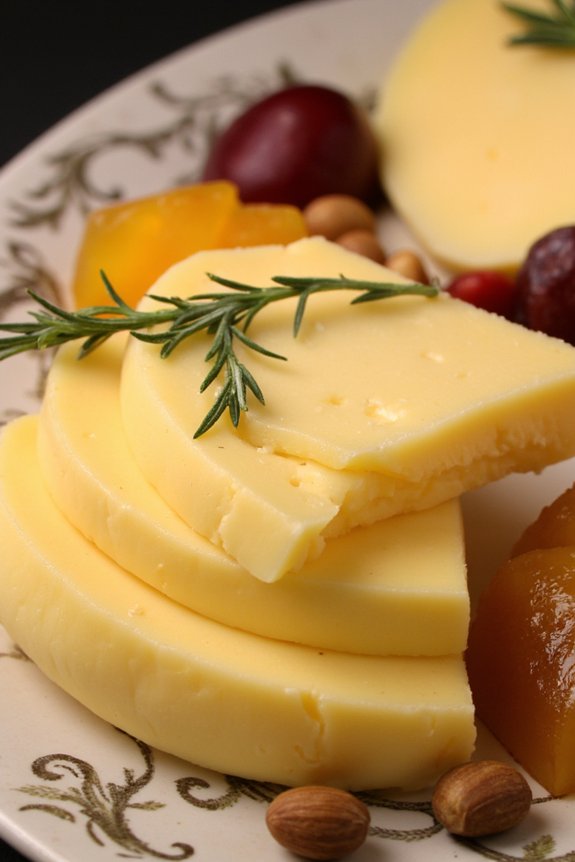
Queso Manchego Con Membrillo is a classic Spanish finger food that beautifully balances the savory, nutty flavors of Manchego cheese with the sweet, fruity taste of quince paste, known as membrillo. This delightful combination is often served as an appetizer or as part of a tapas spread. The dish is incredibly simple to prepare, requiring no cooking, and it’s perfect for entertaining guests or enjoying a casual evening at home.
With its vibrant flavors and elegant presentation, Queso Manchego Con Membrillo is guaranteed to impress.
Manchego cheese is a Spanish cheese made from sheep’s milk, known for its firm texture and buttery taste. When paired with membrillo, a thick jelly-like paste made from quince fruit, the contrast in flavors creates a delightful taste experience. This dish is typically served at room temperature and can be accompanied by a variety of garnishes such as nuts, fresh fruit, or a sprinkle of fresh herbs, adding depth and complexity to the dish.
Ingredients for 4-6 servings:
- 200g Manchego cheese
- 150g quince paste (membrillo)
- Fresh herbs (optional, for garnish)
- Crackers or slices of crusty bread (optional, for serving)
Cooking Instructions:
- Prepare the Ingredients: Begin by taking the Manchego cheese out of the refrigerator and allowing it to come to room temperature. This will enhance its flavor and texture. Similarly, let the quince paste soften slightly at room temperature if stored in the refrigerator.
- Slice the Cheese: Using a sharp knife, slice the Manchego cheese into thin wedges or squares, approximately half a centimeter thick. Arrange them neatly on a serving platter.
- Slice the Membrillo: Cut the quince paste into slices that match the size and shape of the cheese slices. This guarantees each bite contains both elements for the perfect flavor combination.
- Assemble the Dish: Place a slice of quince paste on top of each slice of Manchego cheese. Arrange them elegantly on the serving platter, slightly overlapping each piece.
- Add Garnishes: If desired, sprinkle fresh herbs such as thyme or rosemary over the top for an aromatic touch. Alternatively, you could add a few nuts or fresh fruit slices around the platter for additional texture and flavor.
- Serve: Offer crackers or slices of crusty bread on the side, allowing guests to create their own combinations, if desired. Serve at room temperature to fully appreciate the flavors.
Extra Tips:
When selecting Manchego cheese, consider choosing one that’s semi-cured (semi-curado) for a softer texture and milder flavor, or opt for a cured (curado) version for a more intense taste.
If you can’t find membrillo, you can substitute with a high-quality fruit preserve such as fig or apricot, though the traditional quince paste offers the most authentic experience.
To elevate the presentation, use a decorative serving platter and arrange the cheese and membrillo artfully. This dish pairs beautifully with Spanish red wines or a crisp white wine, complementing the rich flavors of the cheese and quince.
Pinchos Morunos
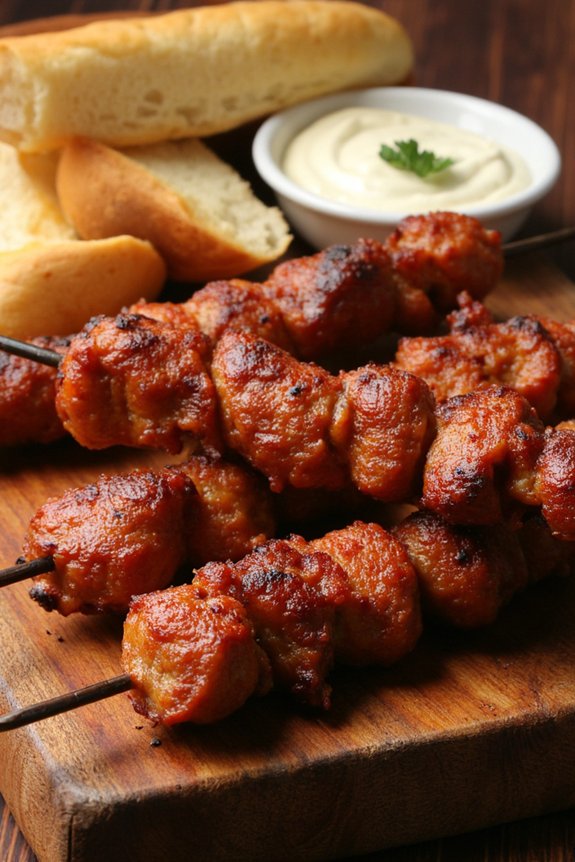
Pinchos Morunos are a delicious Spanish finger food that traces its roots back to the Moorish influence in Spain. These flavorful skewers are traditionally made from marinated pieces of meat, which are then grilled to perfection. The dish is renowned for its aromatic spices and vibrant color, typically achieved through the use of paprika and other seasonings.
Pinchos Morunos are perfect for gatherings, tapas nights, or as an appetizer, offering a taste of Spanish culinary tradition in a small, satisfying bite. This dish is popular for its versatility, as you can use different types of meat such as pork, chicken, or lamb.
The marinade is key to the dish’s signature flavor, combining spices like cumin, coriander, and paprika with fresh garlic and olive oil. The marinated meat is skewered and then grilled until tender and juicy. Often served with a slice of crusty bread or a side of aioli, Pinchos Morunos are a crowd-pleaser that will transport you straight to the streets of Spain.
Ingredients for 4-6 people:
- 2 pounds of pork tenderloin (or chicken/lamb)
- 2 teaspoons ground cumin
- 2 teaspoons ground coriander
- 2 teaspoons smoked paprika
- 1 teaspoon cayenne pepper (optional for extra heat)
- 4 cloves garlic, minced
- 1 tablespoon salt
- 1 teaspoon freshly ground black pepper
- 1/4 cup extra virgin olive oil
- Juice of 1 lemon
- Skewers (metal or soaked wooden ones)
Cooking Instructions:
- Prepare the Meat: Cut the pork tenderloin (or chicken/lamb) into bite-sized cubes, roughly 1-inch in size. Set aside in a large mixing bowl.
- Make the Marinade: In a small bowl, combine the ground cumin, ground coriander, smoked paprika, cayenne pepper (if using), minced garlic, salt, and black pepper. Add the olive oil and lemon juice, and mix well to form a paste.
- Marinate the Meat: Pour the marinade over the meat cubes, guaranteeing they’re evenly coated. Cover the bowl with plastic wrap and refrigerate for at least 2 hours, or overnight for a more intense flavor.
- Prepare the Grill: Preheat your grill to medium-high heat. If using wooden skewers, ensure they’ve been soaked in water for at least 30 minutes to prevent burning.
- Skewer the Meat: Thread the marinated meat cubes onto the skewers, leaving a little space between each piece for even cooking.
- Grill the Skewers: Place the skewers on the grill and cook for about 10-12 minutes, turning occasionally, until the meat is cooked through and has a nice charred exterior.
- Serve: Remove the skewers from the grill and let them rest for a few minutes. Serve hot with slices of crusty bread or a side of aioli.
Extra Tips:
For the best flavor, confirm the meat is marinated for at least a few hours; overnight is ideal. If you’re short on time, you can still achieve great results by letting the meat sit in the marinade for at least 30 minutes at room temperature.
Additionally, be mindful of the grill temperature to avoid burning the skewers; maintaining a medium heat ensures the meat cooks evenly without drying out. For an added layer of flavor, consider serving with a wedge of lemon for a fresh squeeze before eating.
