

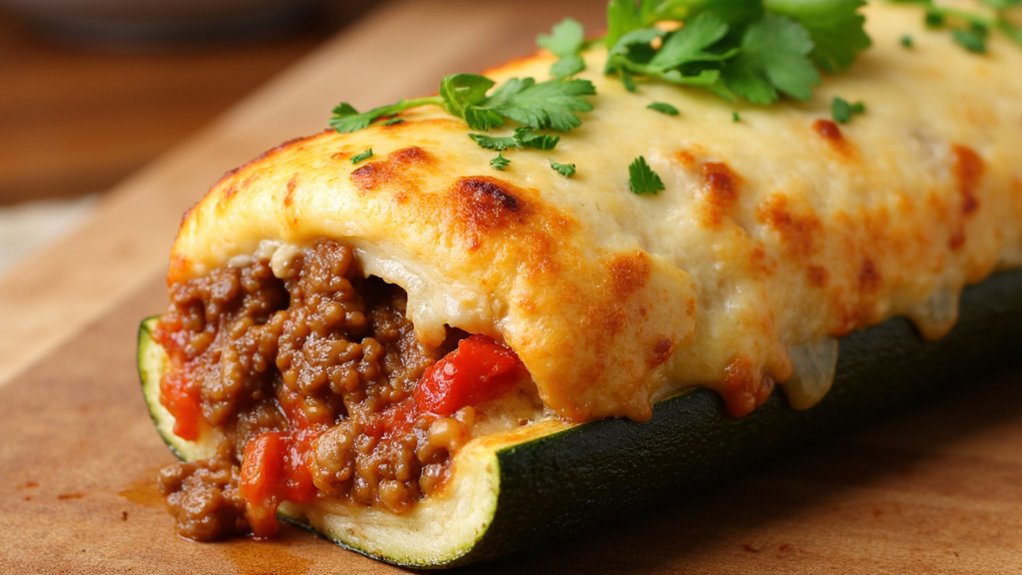
There’s something truly special about the rich and vibrant flavors of Spanish cuisine, especially when it comes to creating mouthwatering vegetarian dishes. Picture serving up a classic Spanish Tortilla with spinach and mushrooms, or savoring the zesty kick of Patatas Bravas with garlic aioli. These dishes effortlessly transport you to a cozy Spanish kitchen. I’m thrilled to introduce you to these delightful culinary treasures. Let’s explore these 14 delicious Spanish dinner recipes that are both vegetarian and satisfying.
Spanish Tortilla With Spinach and Mushrooms
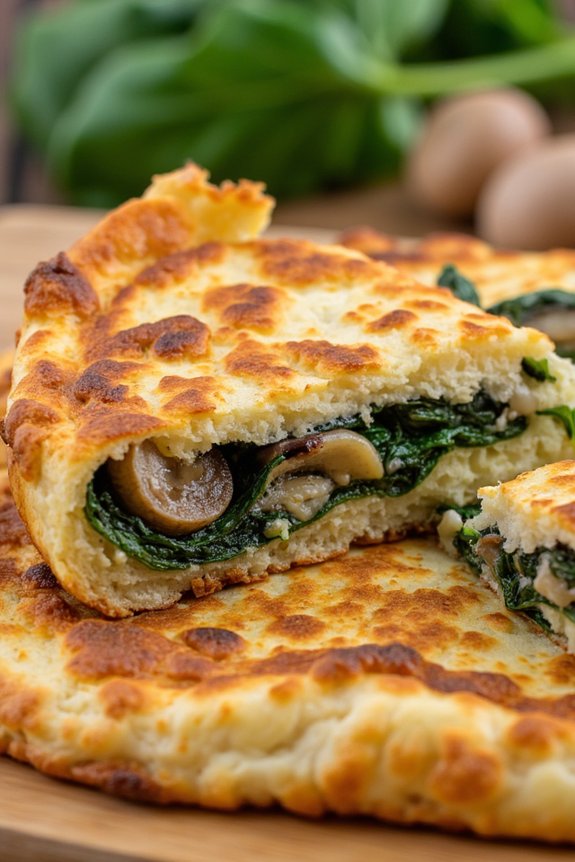
The Spanish Tortilla, also known as Tortilla Española, is a classic staple of Spanish cuisine. Known for its simplicity and rich flavors, this dish is a delightful combination of eggs, potatoes, and vegetables. In this variation, the addition of spinach and mushrooms adds an earthy and nutritious twist. Perfectly suited for any meal, this tortilla can be served hot or at room temperature, making it a versatile choice for breakfast, lunch, or dinner. Its golden, crispy exterior encases a tender, flavorful interior, guaranteeing it will be a hit with family and friends.
The beauty of the Spanish Tortilla With Spinach and Mushrooms lies in its adaptability and ease of preparation. With just a few fresh ingredients, you can create a dish that’s both satisfying and wholesome. This recipe serves 4-6 people, making it ideal for gatherings or as a meal prep option. Whether you’re a seasoned cook or a beginner, this dish’s straightforward method and delicious outcome make it an excellent choice for anyone looking to explore Spanish cuisine.
Ingredients for 4-6 servings:
- 6 large eggs
- 4 medium potatoes
- 1 cup fresh spinach leaves
- 1 cup mushrooms, sliced
- 1 medium onion, finely chopped
- 2 cloves garlic, minced
- 1/4 cup olive oil
- Salt and pepper to taste
Cooking Instructions:
- Prepare the Ingredients: Peel the potatoes and cut them into thin slices. Slice the mushrooms and finely chop the onion. Mince the garlic cloves. Rinse the spinach leaves and set them aside.
- Cook the Potatoes: Heat 2 tablespoons of olive oil in a non-stick skillet over medium heat. Add the potato slices, guaranteeing they’re evenly coated with oil. Cook for about 10-12 minutes, stirring occasionally, until they’re tender but not browned. Remove the potatoes from the skillet and set them aside.
- Sauté the Vegetables: In the same skillet, add another tablespoon of olive oil. Sauté the onions and garlic until they’re translucent. Add the sliced mushrooms and cook for about 5 minutes until they’re softened. Stir in the spinach leaves and cook until they’re wilted. Season the mixture with salt and pepper to taste.
- Combine Ingredients: In a large bowl, beat the eggs and season with salt and pepper. Add the cooked potatoes and the sautéed vegetable mixture to the eggs, guaranteeing everything is well combined.
- Cook the Tortilla: Wipe the skillet clean and heat the remaining olive oil over medium heat. Pour the egg and vegetable mixture into the skillet. Cook for about 8-10 minutes, occasionally shaking the pan gently to prevent sticking, until the bottom is set and the edges are firm.
- Flip the Tortilla: Place a large plate over the skillet and carefully flip the tortilla onto the plate. Slide the tortilla back into the skillet, uncooked side down, and cook for another 5-7 minutes until the egg is fully set and the tortilla is golden brown on both sides.
- Serve: Once cooked, slide the tortilla onto a serving platter. Allow it to cool slightly before slicing into wedges. Serve warm or at room temperature.
Extra Tips:
For best results, use a non-stick skillet to prevent the tortilla from sticking. If you prefer a more robust flavor, consider adding a pinch of paprika or a handful of chopped fresh herbs like parsley or chives. To guarantee an even cook, make sure the potatoes are sliced uniformly. If you’re not comfortable flipping the tortilla, you can finish it under a preheated broiler for a few minutes until the top is set. Enjoy your Spanish Tortilla With Spinach and Mushrooms with a side of crusty bread or a fresh salad for a complete meal.
Patatas Bravas With Garlic Aioli
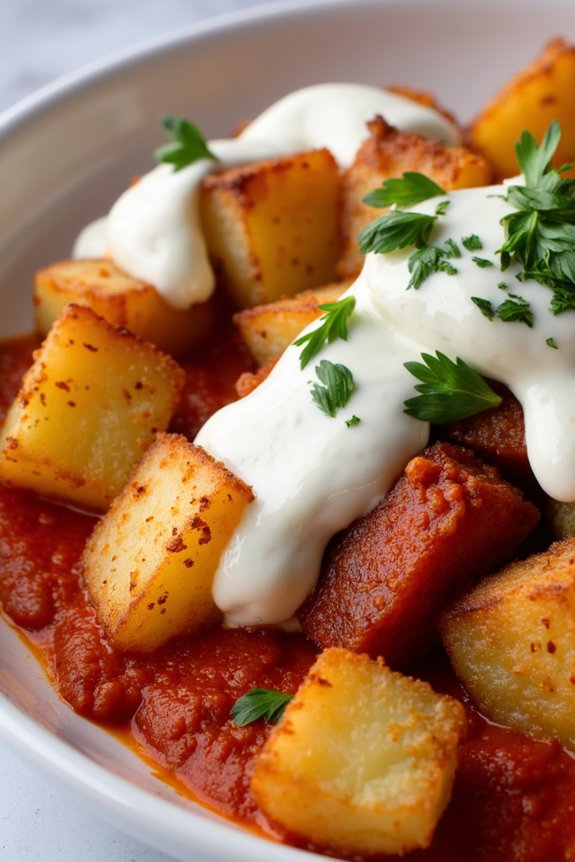
Patatas Bravas with Garlic Aioli is a classic Spanish tapas dish that combines crispy potatoes with a spicy tomato sauce and a creamy garlic aioli. This dish is a staple in Spanish cuisine, known for its simplicity yet bold flavors. Perfect as an appetizer or a side dish, Patatas Bravas is a crowd-pleaser that brings a touch of Spain to your dining table.
The key to achieving the perfect Patatas Bravas lies in the contrasting textures and flavors—crispy fried potatoes paired with a tangy, spicy sauce and a smooth, garlicky aioli.
To make this dish for 4-6 people, you’ll need to prepare both the Patatas Bravas and the Garlic Aioli. The potatoes are typically fried to a golden crisp, while the bravas sauce is made with tomatoes, smoked paprika, and a hint of vinegar for acidity. The garlic aioli adds a creamy richness that balances the spice of the bravas sauce. This combination creates a dish that isn’t only visually appealing but also bursting with flavor.
Now, let’s explore the ingredients and step-by-step instructions to make this delicious dish.
Ingredients for 4-6 Servings:
*For the Potatoes:*
- 2 pounds of potatoes (such as Russet or Yukon Gold)
- Vegetable oil for frying
- Salt to taste
For the Bravas Sauce:
- 1 tablespoon olive oil
- 1 small onion, finely chopped
- 2 garlic cloves, minced
- 1 teaspoon smoked paprika
- 1/2 teaspoon cayenne pepper (adjust for spice preference)
- 1 tablespoon tomato paste
- 1 can (14 oz) of crushed tomatoes
- 1 teaspoon sugar
- 1 tablespoon red wine vinegar
- Salt and pepper to taste
For the Garlic Aioli:
- 1 cup mayonnaise
- 2 garlic cloves, minced
- 1 tablespoon lemon juice
- Salt to taste
Cooking Instructions:
- Prepare the Potatoes:
- Peel and cut the potatoes into 1-inch cubes. Rinse them under cold water to remove excess starch.
- Pat the potatoes dry with a kitchen towel to confirm they’re free of moisture, which helps them crisp up.
- Fry the Potatoes:
- Heat vegetable oil in a deep frying pan or pot to 350°F (175°C). Make sure there’s enough oil to submerge the potato cubes.
- Fry the potatoes in batches to avoid overcrowding. Cook until golden brown and crispy, about 8-10 minutes per batch.
- Remove from the oil with a slotted spoon and drain on paper towels. Season with salt while still hot.
- Make the Bravas Sauce:
- In a saucepan, heat the olive oil over medium heat. Add the chopped onion and cook until soft and translucent.
- Add the minced garlic, smoked paprika, and cayenne pepper. Stir for about 1 minute until fragrant.
- Stir in the tomato paste, crushed tomatoes, sugar, and vinegar. Season with salt and pepper.
- Simmer the sauce for 15-20 minutes, stirring occasionally, until it thickens. Adjust seasoning if needed.
- Prepare the Garlic Aioli:
- In a bowl, mix the mayonnaise, minced garlic, and lemon juice. Season with salt to taste.
- Stir until well combined and smooth.
- Assemble the Dish:
- Place the fried potatoes on a serving platter.
- Drizzle with the bravas sauce and a generous dollop of garlic aioli.
- Garnish with chopped parsley if desired and serve immediately.
Extra Tips:
When making Patatas Bravas, the type of potato you use can greatly affect the final texture. Russet potatoes are great for achieving a crispy exterior, while Yukon Golds offer a creamier inside.
Confirm that your oil is at the right temperature before frying to prevent the potatoes from becoming greasy. If you prefer a less spicy bravas sauce, you can reduce the amount of cayenne pepper or substitute it with sweet paprika.
For a smoother aioli, use a food processor to mix the ingredients. Enjoy your homemade Patatas Bravas with a cold Spanish beer or a glass of sangria for a truly authentic experience!
Gazpacho Andaluz: Chilled Tomato Soup
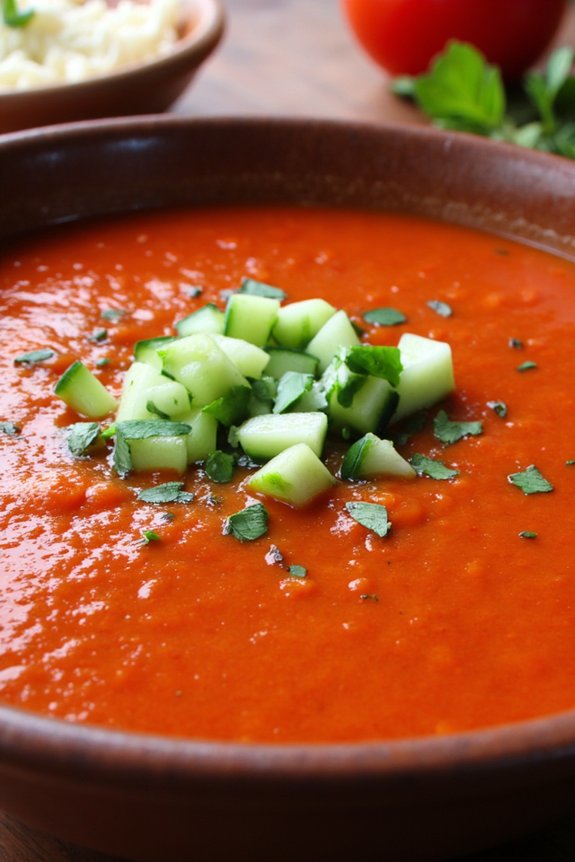
Gazpacho Andaluz is a revitalizing and traditional chilled tomato soup originating from the Andalusian region of Spain. It’s perfect for hot summer days when you want something light and cool. This dish combines ripe tomatoes, cucumbers, peppers, onions, and garlic, all blended together with olive oil and vinegar to create a smooth and invigorating soup.
Gazpacho isn’t only delicious but also packed with nutrients, making it a healthy option for any meal. The beauty of Gazpacho Andaluz lies in its simplicity and the use of fresh, high-quality ingredients. The soup is traditionally served cold, allowing the flavors to meld together delightfully as it chills in the refrigerator.
For a serving size of 4-6 people, this recipe will guide you through the process of creating an authentic and satisfying Gazpacho that will transport you straight to sunny Spain.
Ingredients for 4-6 Servings:
- 2 pounds ripe tomatoes, cored and roughly chopped
- 1 cucumber, peeled and roughly chopped
- 1 green bell pepper, seeded and roughly chopped
- 1 small red onion, roughly chopped
- 2 cloves garlic, peeled
- 1/4 cup extra virgin olive oil
- 2 tablespoons sherry vinegar
- Salt to taste
- Pepper to taste
- 1 cup cold water
- Optional toppings: diced cucumber, croutons, chopped herbs
Cooking Instructions:
- Prepare the Vegetables: Start by washing all the vegetables thoroughly. Core and chop the tomatoes, peel and chop the cucumber, seed and chop the green bell pepper, and roughly chop the red onion. Peel the garlic cloves.
- Blend the Ingredients: In a large blender or food processor, combine the chopped tomatoes, cucumber, bell pepper, onion, and garlic. Blend until the mixture is smooth. Depending on the size of your blender, you may need to do this in batches.
- Add Liquids: Once the vegetables are pureed, add the extra virgin olive oil, sherry vinegar, and cold water to the blender. Blend again until all ingredients are well combined, and the mixture is smooth and creamy.
- Season the Soup: Taste the soup and add salt and pepper to your liking. Blend briefly to incorporate the seasoning.
- Chill the Gazpacho: Transfer the soup to a large bowl or container, cover it, and refrigerate for at least 2 hours, or until the gazpacho is well chilled. This allows the flavors to meld together.
- Serve the Gazpacho: Before serving, stir the soup well. Pour into bowls and garnish with optional toppings like diced cucumber, croutons, or chopped herbs for added texture and flavor.
Extra Tips:
When making Gazpacho Andaluz, the quality of the tomatoes is essential as they form the base flavor of the soup. Opt for ripe, juicy tomatoes for the best taste.
If you prefer a smoother texture, you can strain the soup through a fine mesh sieve after blending. Additionally, adjusting the amount of garlic and sherry vinegar can easily tailor the flavor profile to your preference.
For an extra chill, you can place serving bowls in the refrigerator before serving the gazpacho. Enjoy this classic Spanish dish as a starter or a light meal!
Pisto Manchego: Spanish Ratatouille
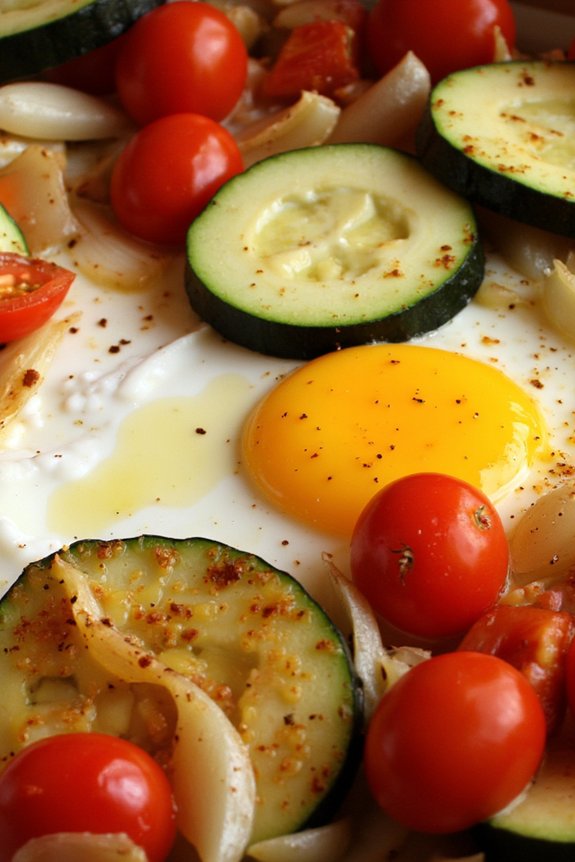
Pisto Manchego is a delightful Spanish dish that hails from the region of La Mancha, much like the famous literary character Don Quixote. Often likened to a Spanish version of ratatouille, Pisto Manchego is a hearty vegetable stew that showcases the best of Spain’s seasonal produce. This dish combines fresh vegetables including zucchini, bell peppers, tomatoes, and onions, cooked slowly to allow the flavors to meld together beautifully.
Traditionally, Pisto Manchego is served as a tapa or side dish, but it can also be enjoyed as a main course, often topped with a fried egg or accompanied by crusty bread. This rustic dish captures the essence of Spanish home cooking, relying on simple ingredients that come together to create something truly comforting and satisfying.
The beauty of Pisto Manchego lies in its versatility; it’s a dish that can be easily adapted to include whatever vegetables you have on hand. Whether you’re looking to recreate a taste of Spain at home or simply want to try something new and flavorful, Pisto Manchego is a fantastic choice. It’s a perfect dish for a family gathering or a cozy dinner at home, bringing the vibrant flavors of Spain to your table.
Ingredients for 4-6 servings:
- 2 large zucchini, diced
- 2 red bell peppers, diced
- 1 large onion, finely chopped
- 4 cloves garlic, minced
- 5 large tomatoes, peeled and chopped
- 1/4 cup olive oil
- 1 teaspoon sugar
- Salt and pepper to taste
- Optional: 4-6 eggs
- Optional: Crusty bread for serving
Cooking Instructions:
- Prepare the Vegetables: Begin by dicing the zucchini and red bell peppers, finely chopping the onion, and mincing the garlic. Peel and chop the tomatoes, ensuring they’re roughly the same size for even cooking.
- Sauté the Onions and Garlic: In a large skillet or pot, heat the olive oil over medium heat. Add the chopped onions and garlic, sautéing them until the onions become translucent and fragrant, about 5 minutes.
- Add the Peppers and Zucchini: Add the diced red bell peppers and zucchini to the skillet. Stir the vegetables occasionally, allowing them to cook and soften for about 10 minutes.
- Incorporate the Tomatoes: Add the chopped tomatoes to the skillet. Stir in the sugar, salt, and pepper. The sugar helps to balance the acidity of the tomatoes. Mix well and reduce the heat to low.
- Simmer the Pisto: Allow the mixture to simmer gently, uncovered, for about 30 minutes. Stir occasionally to prevent sticking. The vegetables should become tender, and the flavors should meld together beautifully.
- Adjust Seasonings: Taste the Pisto Manchego and adjust the seasoning if necessary, adding more salt or pepper to taste.
- Optional Egg Topping: If desired, crack 4-6 eggs over the top of the Pisto. Cover the skillet and allow the eggs to cook until the whites are set but the yolks remain runny, about 5 minutes.
- Serve: Serve the Pisto Manchego warm or at room temperature. It’s delicious on its own or with a side of crusty bread to soak up the flavorful sauce.
Extra Tips:
For an authentic touch, try to use ripe, seasonal vegetables, as they’ll provide the best flavor. If fresh tomatoes aren’t available, canned tomatoes can be a good substitute.
Be mindful when cooking the eggs if you choose to add them; confirm that the yolks are still slightly runny as they’ll add a rich creaminess to the dish. Additionally, Pisto Manchego tastes even better the next day, so consider making it ahead of time to allow the flavors to develop further. Enjoy your culinary journey to Spain with this delightful dish!
Vegetarian Paella With Artichokes and Peppers
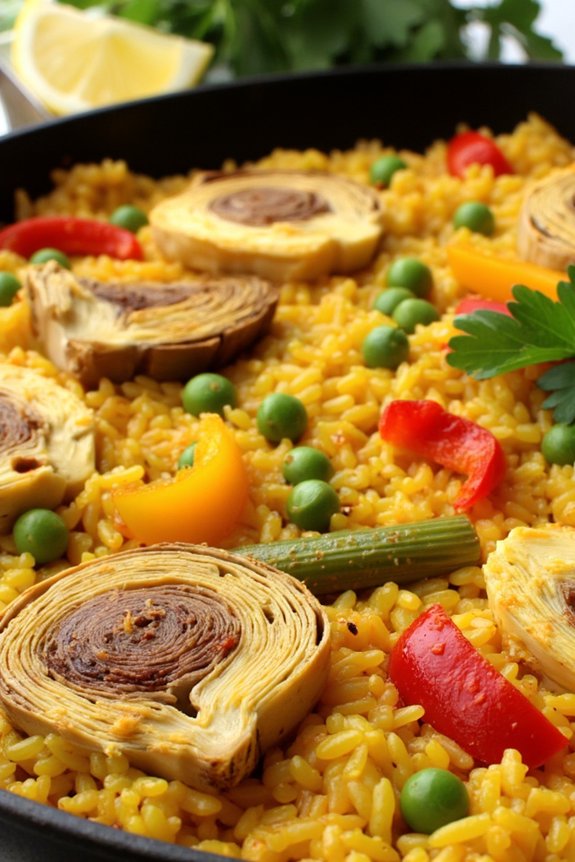
Vegetarian Paella With Artichokes and Peppers is a delightful twist on the classic Spanish dish, offering a vibrant mix of flavors and textures without the use of seafood or meat. This dish captures the essence of Spain’s culinary heritage, combining the earthiness of artichokes with the sweet crunch of bell peppers. The saffron-infused rice forms the heart of the paella, bringing everything together in a symphony of colors and tastes that’s certain to impress both vegetarians and non-vegetarians alike.
Cooking this Vegetarian Paella is a rewarding and satisfying experience, perfect for a family dinner or a gathering of friends. The dish is traditionally cooked in a wide, shallow pan over an open flame, but it can also be made on a stovetop if you don’t have access to a paella pan. The goal is to achieve the coveted “socarrat,” a crispy layer of rice at the bottom of the pan that adds a delightful texture to each bite. With a little patience and attention to detail, you’ll create a dish that isn’t only delicious but also visually stunning.
Ingredients (Serves 4-6):
- 2 tablespoons olive oil
- 1 onion, finely chopped
- 3 cloves garlic, minced
- 1 red bell pepper, sliced
- 1 yellow bell pepper, sliced
- 1 cup canned artichoke hearts, drained and quartered
- 2 cups Bomba or Arborio rice
- 1 teaspoon smoked paprika
- 1/4 teaspoon saffron threads
- 1/2 cup dry white wine
- 4 cups vegetable broth
- 1 cup frozen peas
- Salt and pepper to taste
- Lemon wedges for serving
- Fresh parsley, chopped for garnish
Cooking Instructions:
- Prepare the Paella Base: Heat the olive oil in a large paella pan or wide skillet over medium heat. Add the chopped onion and sauté until it becomes translucent, about 5 minutes. Stir in the minced garlic and cook for another minute until fragrant.
- Add Vegetables: Incorporate the sliced red and yellow bell peppers into the pan, cooking for about 3-4 minutes until they begin to soften. Add the quartered artichoke hearts and continue to sauté for an additional 2 minutes.
- Toast the Rice: Add the rice to the pan, stirring well to coat it with the oil and vegetables. Cook, stirring frequently, for about 2 minutes until the rice becomes slightly translucent around the edges.
- Season and Simmer: Sprinkle the smoked paprika and saffron threads over the rice, then pour in the white wine. Allow it to simmer and reduce slightly. Add the vegetable broth, bringing the mixture to a gentle boil. Season with salt and pepper to taste.
- Cook the Paella: Reduce the heat to low and let the paella simmer uncovered for about 15-20 minutes, or until the rice is tender and has absorbed most of the liquid. Avoid stirring during this time to allow the socarrat to form.
- Add Final Ingredients: Scatter the frozen peas over the top of the paella, cover the pan with a lid or foil, and let it cook for another 5 minutes until the peas are heated through.
- Rest and Serve: Remove the pan from heat and let it rest, covered, for about 5 minutes. This will help the flavors meld together. Garnish with chopped fresh parsley and serve with lemon wedges on the side.
Extra Tips:
For the best results, use a paella pan, which guarantees even cooking and promotes the formation of the crispy socarrat. If you don’t have a paella pan, a wide, flat skillet will work in a pinch.
Be mindful of not over-stirring the rice once the liquid is added, as this may prevent the desired texture from forming. Saffron is a key ingredient that provides the characteristic yellow hue and unique flavor, but it can be expensive; using a little goes a long way.
Feel free to customize the dish with other vegetables like zucchini or mushrooms to make it your own.
Catalan Escalivada: Roasted Vegetables
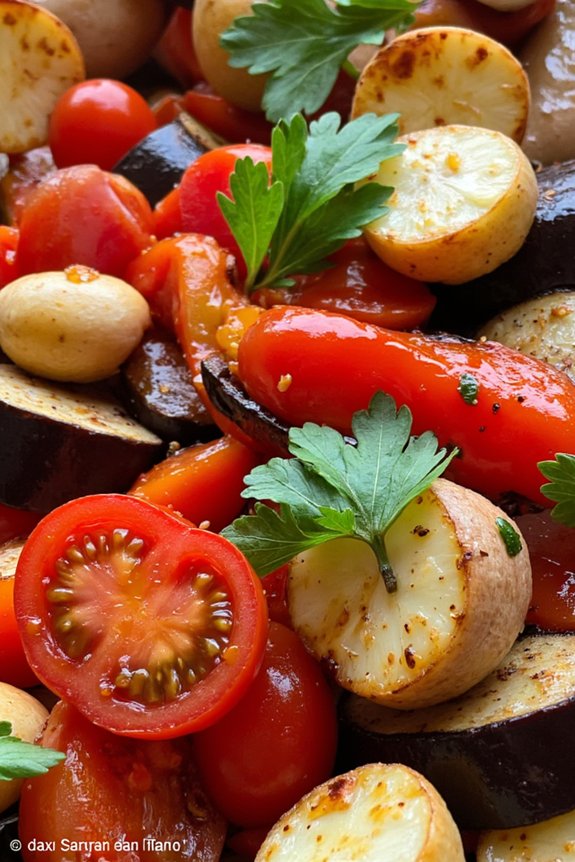
Catalan Escalivada is a traditional Spanish dish that hails from the region of Catalonia. It’s a simple yet flavorful dish that features an assortment of roasted vegetables, typically including eggplant, red bell peppers, and onions. The vegetables are roasted until they’re tender and slightly charred, bringing out their natural sweetness and intensifying their flavors.
Escalivada is often enjoyed as a side dish, but it can also be served as a light main dish, paired beautifully with crusty bread or as a topping on grilled meats or fish.
This recipe for Catalan Escalivada is perfect for a gathering of 4-6 people. It embodies the essence of Mediterranean cuisine with its use of fresh, seasonal vegetables and olive oil. The dish isn’t only delicious but also healthy and easy to prepare. The roasting process requires minimal intervention, allowing the flavors to develop naturally. This makes Escalivada an ideal dish for those who appreciate the beauty of simple, honest food.
Ingredients (Serves 4-6):
- 2 medium eggplants
- 3 red bell peppers
- 2 large onions
- 3 ripe tomatoes
- 3 cloves of garlic
- 1/4 cup extra virgin olive oil
- Salt and freshly ground black pepper to taste
- Fresh parsley for garnish (optional)
Instructions:
- Preheat the Oven: Preheat your oven to 400°F (200°C). This temperature is ideal for roasting vegetables to achieve that desired caramelization and tenderness.
- Prepare the Vegetables: Wash all the vegetables thoroughly. Cut the eggplants into thick slices, quarter the onions, and leave the red bell peppers whole. Pierce the tomatoes with a fork to prevent them from bursting during roasting. Leave the garlic cloves whole, in their skins.
- Arrange on a Baking Sheet: Place all the prepared vegetables on a large baking sheet. Drizzle them generously with the extra virgin olive oil, ensuring they’re well-coated. Season with salt and freshly ground black pepper.
- Roast the Vegetables: Place the baking sheet in the preheated oven. Roast for about 45 minutes, turning the vegetables halfway through. The vegetables should be tender and lightly charred.
- Peel and Slice: Once roasted, remove the vegetables from the oven and let them cool slightly. Peel the skins from the red peppers and tomatoes, then cut them into strips. Remove any seeds from the peppers.
- Assemble the Dish: Arrange the roasted vegetable strips on a serving platter. Squeeze the roasted garlic out of its skin and distribute over the vegetables. Drizzle with any remaining olive oil from the baking sheet.
- Garnish and Serve: Optionally, sprinkle chopped fresh parsley over the dish for a burst of color and fresh flavor. Serve warm or at room temperature.
Extra Tips:
When preparing Catalan Escalivada, it’s crucial to use high-quality, fresh vegetables to get the best flavor. If you prefer a smokier flavor, consider roasting the vegetables on a grill instead of in the oven. This will impart a delightful smokiness to the dish that enhances its rustic character.
For a more robust taste, you can add a splash of sherry vinegar before serving. Remember, Escalivada can also be made ahead of time and stored in the refrigerator for a day, allowing the flavors to meld beautifully. Enjoy your Catalan Escalivada as part of a tapas spread or as a delicious standalone dish.
Garbanzos Con Espinacas: Chickpeas and Spinach Stew
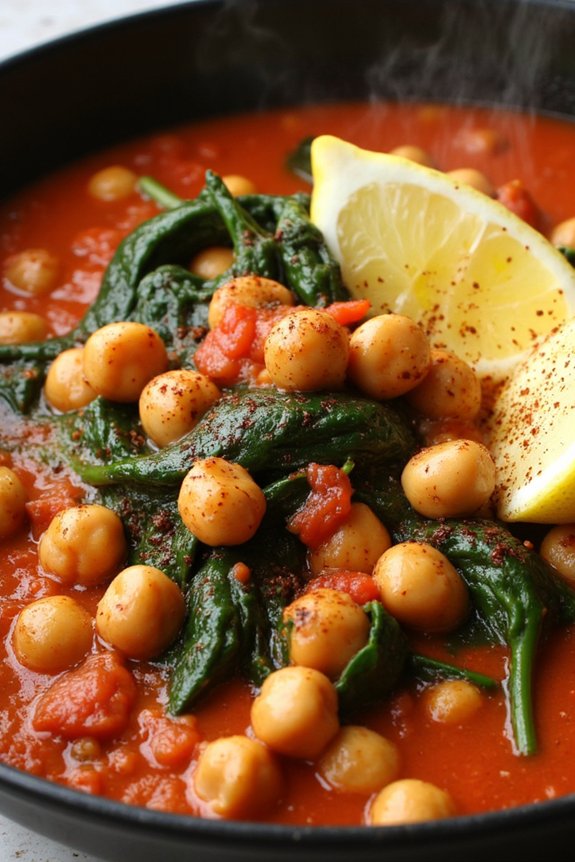
Garbanzos Con Espinacas, or Chickpeas and Spinach Stew, is a delightful Spanish dish that combines wholesome ingredients to create a hearty and flavorful meal. Originating from Andalusia, this stew is known for its rich taste and nutritional profile, making it a perfect choice for a satisfying dinner.
The combination of chickpeas and spinach not only provides a good source of protein and iron but also brings a balance of textures and flavors that are enhanced by a medley of spices and aromatics. This dish is traditionally enjoyed as a comfort food in Spain, especially during the cooler months.
With its earthy flavors and warming qualities, Garbanzos Con Espinacas is an excellent choice for a family meal. The recipe below serves 4-6 people, making it ideal for gatherings or for preparing a meal that can be enjoyed over a couple of days. It’s a versatile dish that can be easily adapted to suit different dietary preferences or to incorporate additional ingredients you have on hand.
Ingredients:
- 2 cups dried chickpeas or 3 cans (15 oz each) of cooked chickpeas
- 1/4 cup olive oil
- 1 large onion, finely chopped
- 4 cloves garlic, minced
- 1 teaspoon cumin
- 1 teaspoon paprika
- 1/4 teaspoon cayenne pepper (optional)
- 1 bay leaf
- 1 can (14 oz) crushed tomatoes
- 1 cup vegetable broth
- 10 oz fresh spinach, washed and roughly chopped
- Salt and pepper to taste
- Lemon wedges for serving
Instructions:
- Prepare the Chickpeas: If using dried chickpeas, soak them overnight in plenty of water. Drain and rinse them before cooking. In a large pot, cover the soaked chickpeas with water and bring to a boil. Reduce the heat and simmer for about 1-1.5 hours until they’re tender. If using canned chickpeas, simply drain and rinse them well.
- Cook the Aromatics: In a large pan, heat the olive oil over medium heat. Add the chopped onion and cook until it becomes translucent, about 5 minutes. Stir in the minced garlic, cumin, paprika, and cayenne pepper, cooking for another 1-2 minutes until fragrant.
- Build the Stew: Add the crushed tomatoes and the bay leaf to the pan, stirring well to combine with the onion and spice mixture. Pour in the vegetable broth and bring the mixture to a simmer.
- Add Chickpeas and Spinach: Stir in the cooked or canned chickpeas, ensuring they’re well coated with the tomato mixture. Allow the stew to simmer for about 10 minutes. Add the chopped spinach and cook for another 5 minutes until the spinach has wilted and everything is well combined.
- Season and Serve: Taste the stew and season with salt and pepper to your liking. Remove the bay leaf before serving. Serve hot, with lemon wedges on the side for squeezing over the stew to add a bright, fresh flavor.
Extra Tips:
For a richer flavor, consider adding a splash of red wine vinegar or a pinch of saffron to the stew while it simmers. If you prefer a thicker consistency, mash some of the chickpeas with a fork before adding the spinach.
This stew can be made a day in advance, as the flavors deepen and improve with time. It also freezes well, making it a convenient make-ahead meal. Serve it with crusty bread or over rice for a complete and satisfying dinner.
Empanadas De Verduras: Vegetable Empanadas

Empanadas De Verduras, or Vegetable Empanadas, are a delightful Spanish dish that brings together a flaky pastry shell filled with a savory mixture of vegetables. These empanadas are perfect as a main course or as a tasty appetizer for gatherings. Packed with a medley of fresh vegetables and aromatic spices, these empanadas offer a burst of flavor in every bite.
The recipe is versatile and can be adapted to include your favorite vegetables or whatever is in season, making it a perfect dish for any time of the year. This recipe for Empanadas De Verduras is designed to serve 4-6 people, making it an ideal choice for a family dinner or a small get-together.
The dough is easy to make and can be prepared ahead of time, while the filling can be customized to suit your taste preferences. Once baked to golden perfection, these empanadas are best enjoyed fresh from the oven. Serve them with a side of salsa or a simple salad for a complete meal.
Ingredients (Serving size: 4-6 people):
- 2 1/2 cups all-purpose flour
- 1/2 cup unsalted butter, chilled and diced
- 1/4 teaspoon salt
- 1/3 cup cold water
- 1 tablespoon olive oil
- 1 onion, finely chopped
- 1 red bell pepper, diced
- 2 cloves garlic, minced
- 1 zucchini, diced
- 1 cup spinach leaves, chopped
- 1/2 cup corn kernels
- 1 teaspoon paprika
- 1/2 teaspoon cumin
- Salt and pepper, to taste
- 1 egg, beaten (for egg wash)
Instructions:
1. Prepare the Dough: In a large bowl, mix the flour and salt. Add the diced butter and use your fingers to blend until the mixture resembles coarse crumbs. Gradually add the cold water, mixing until the dough holds together.
Form into a ball, wrap in plastic wrap, and refrigerate for at least 30 minutes.
2. Make the Filling: Heat olive oil in a large skillet over medium heat. Add the onion and red bell pepper, sautéing until softened, about 5 minutes. Stir in the garlic and cook for another minute.
3. Add Vegetables: Add the zucchini, spinach, and corn to the skillet. Season with paprika, cumin, salt, and pepper. Cook until the vegetables are tender and any excess moisture has evaporated, about 7-10 minutes.
Remove from heat and let cool.
4. Roll Out the Dough: Preheat your oven to 375°F (190°C). On a lightly floured surface, roll out the dough to about 1/8 inch thickness. Cut out circles using a round cutter or a small bowl, about 5 inches in diameter.
5. Fill and Seal Empanadas: Place a spoonful of the vegetable filling in the center of each dough circle. Fold the dough over to enclose the filling and press the edges together firmly.
Use a fork to crimp the edges for a decorative seal.
6. Bake the Empanadas: Place the empanadas on a baking sheet lined with parchment paper. Brush each empanada with the beaten egg for a golden finish.
Bake in the preheated oven for 20-25 minutes, or until the empanadas are golden brown and crisp.
7. Cool and Serve: Allow the empanadas to cool slightly before serving. They can be enjoyed warm or at room temperature.
Extra Tips:
To guarantee the best flavor, make sure your vegetables are fresh and finely chopped to cook evenly. If you prefer a spicier filling, consider adding a pinch of chili powder or a diced jalapeño to the vegetable mix.
For a richer dough, you can substitute half of the butter with cream cheese. These empanadas can also be frozen before baking; simply defrost and bake when you’re ready to enjoy them.
Enjoy your Empanadas De Verduras with your favorite dipping sauce or salsa for an added burst of flavor!
Salmorejo Cordobés: Creamy Tomato Dip
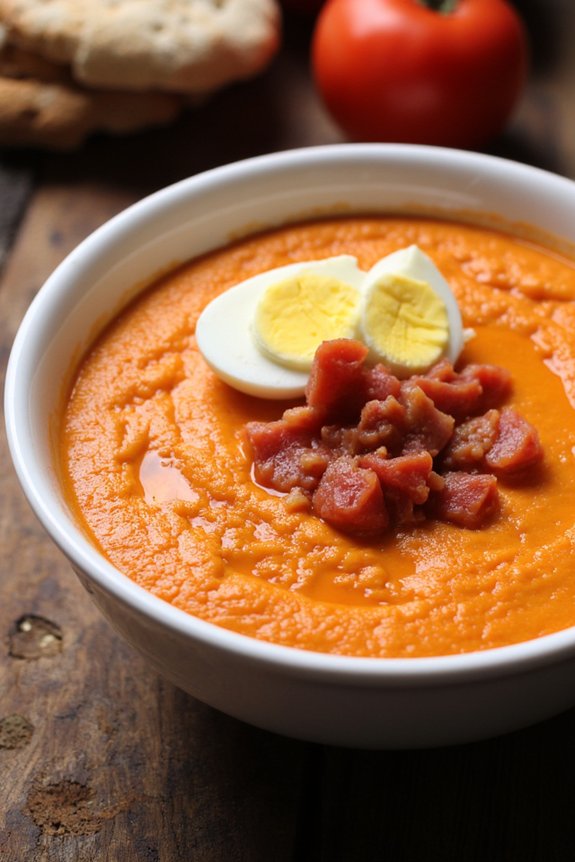
Salmorejo Cordobés is a traditional Spanish dish hailing from the city of Córdoba in Andalusia. This creamy tomato dip is a revitalizing and flavorful starter that’s perfect for warm weather. It’s similar to gazpacho but thicker and creamier, thanks to the inclusion of bread and olive oil. Traditionally, it’s served cold and garnished with hard-boiled eggs and Spanish cured ham, creating a delightful blend of textures and flavors.
The simplicity and freshness of this dish are what make it a favorite in Spanish cuisine. It’s made from ripe tomatoes, stale bread, garlic, olive oil, vinegar, and salt, making it both economical and easy to prepare. The key to a perfect Salmorejo Cordobés is high-quality ingredients, especially the tomatoes and olive oil, which contribute considerably to the final taste. This recipe serves 4-6 people, making it ideal for a family dinner or a small gathering.
Ingredients for Salmorejo Cordobés (Serves 4-6):
- 1 kg ripe tomatoes
- 200g stale bread (preferably from the day before)
- 1 clove garlic
- 100 ml extra virgin olive oil
- 30 ml sherry vinegar
- Salt to taste
- 2 hard-boiled eggs, chopped
- 100g Jamón Ibérico or Serrano ham, diced
Cooking Instructions:
- Prepare the Tomatoes: Start by washing the tomatoes thoroughly. Remove the core and cut them into quarters. There’s no need to peel or seed the tomatoes as the mixture will be strained later.
- Soak the Bread: Cut the stale bread into small chunks and soak it in a little water to soften. This will make it easier to blend into a smooth mixture.
- Blend the Ingredients: In a blender, combine the tomatoes, garlic clove, softened bread, olive oil, vinegar, and a pinch of salt. Blend until smooth and creamy. The mixture should be thick and velvety.
- Strain the Mixture: Pass the blended mixture through a fine sieve into a bowl to remove any seeds or skin, ensuring a smooth texture.
- Chill the Salmorejo: Cover the bowl with plastic wrap and refrigerate for at least 2 hours. Salmorejo is best served cold, so chilling it helps intensify the flavors.
- Prepare Garnishes: While the salmorejo is chilling, boil the eggs, cool them in ice water, peel, and chop them finely. Dice the ham into small pieces as well.
- Serve: Once chilled, pour the salmorejo into bowls and garnish with the chopped hard-boiled eggs and diced ham. Drizzle with a bit of olive oil if desired.
Extra Tips:
For the best results, use ripe, in-season tomatoes for maximum flavor. The quality of the olive oil also plays a vital role; a good extra virgin olive oil will enhance the richness of the dish. If you prefer a milder garlic flavor, you can reduce the amount of garlic or even remove the green sprout from the middle.
For a thicker consistency, adjust the quantity of bread used. Remember, this dish is flexible, so feel free to adjust the garnishes to suit your taste. Enjoy your Salmorejo Cordobés with a slice of crusty bread or alongside some fresh vegetables.
Alcachofas Al Ajillo: Garlic Artichokes
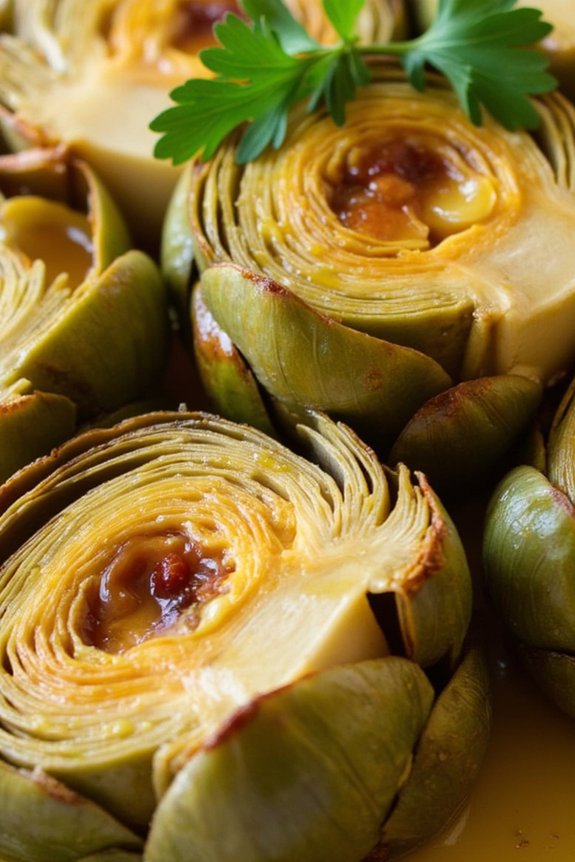
Alcachofas Al Ajillo, or Garlic Artichokes, is a classic Spanish dish that beautifully showcases the flavors of fresh artichokes paired with the robust taste of garlic. This dish is traditionally served as a tapas or appetizer, but it can also complement a main course. The simplicity of the ingredients allows the natural flavors to shine, making it a favorite among those who appreciate the subtleties of Mediterranean cuisine.
The preparation of Alcachofas Al Ajillo involves a few key steps to guarantee the artichokes remain tender and flavorful, while the garlic offers a savory depth to the dish. This recipe will guide you through the process of selecting and preparing artichokes, a task that might seem intimidating but is quite manageable with a little patience.
The key to this dish is using fresh artichokes and high-quality olive oil, which will enhance the overall flavor profile. In this version of the recipe, you’ll learn to prepare enough for a serving size of 4-6 people, making it perfect for a family dinner or small gathering.
Ingredients for 4-6 servings:
- 6 medium-sized fresh artichokes
- 6 cloves of garlic
- 1 lemon
- 1/4 cup extra virgin olive oil
- 1/2 cup dry white wine
- Salt and freshly ground black pepper to taste
- Fresh parsley for garnish
Cooking Instructions:
- Prepare the Artichokes: Begin by trimming the artichokes. Remove the tough outer leaves until you reach the more tender, pale green ones. Cut off the top third of the artichoke and trim the stem. Cut the artichokes in half, lengthwise, and remove the choke with a spoon. Rub the cut sides with a lemon wedge to prevent browning.
- Sauté the Garlic: Peel and thinly slice the garlic cloves. In a large pan, heat the olive oil over medium heat. Add the sliced garlic and sauté until golden and fragrant, being careful not to burn it.
- Cook the Artichokes: Add the prepared artichokes to the pan, cut side down. Pour in the white wine and a splash of water, then season with salt and pepper. Cover the pan and let the artichokes simmer for about 20 minutes, or until they’re tender and can be easily pierced with a fork.
- Finish and Serve: Once the artichokes are cooked, uncover the pan and increase the heat to let any remaining liquid evaporate, allowing the artichokes to slightly caramelize. Transfer them to a serving dish, drizzle with any leftover pan juices, and garnish with freshly chopped parsley.
Extra Tips:
When preparing artichokes, it’s essential to work quickly to prevent them from oxidizing and turning brown. Keeping a bowl of water with lemon juice nearby to place the trimmed artichokes will help maintain their color.
Additionally, while cooking, make sure the garlic doesn’t burn as it will impart a bitter taste to the dish. For a more intense flavor, consider adding a pinch of red pepper flakes when sautéing the garlic. Enjoy your Alcachofas Al Ajillo with a glass of crisp white wine to complement the dish’s flavors.
Setas Al Ajillo: Garlic Mushrooms
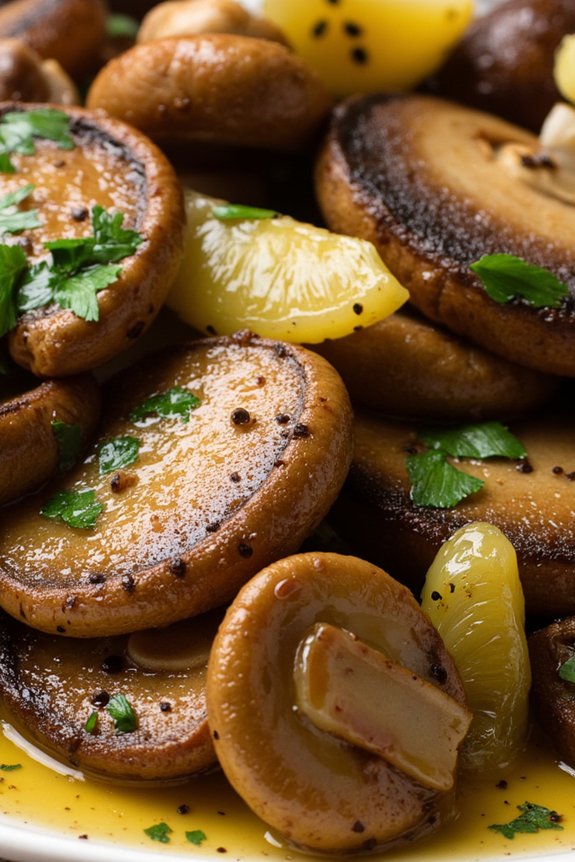
Setas Al Ajillo, or Garlic Mushrooms, is a classic Spanish tapas dish that brings together the rich, earthy flavors of mushrooms with the robust taste of garlic. This simple yet flavorful dish is perfect as an appetizer or a side dish, and it can easily be whipped up in a short amount of time. The key to this dish lies in the quality of the mushrooms and the aromatic infusion of garlic and parsley that enhances the humble ingredients into a culinary delight.
Typically served warm, Setas Al Ajillo isn’t only a feast for the taste buds but also a visual treat with its glistening sautéed mushrooms garnished with vibrant green parsley. This dish can be enjoyed on its own or paired with crusty bread to soak up the delicious garlicky oil. It’s a great choice for gatherings or family dinners, offering an authentic taste of Spain that can easily be prepared at home.
Ingredients (Serves 4-6):
- 500g fresh mushrooms (button or cremini)
- 6 cloves garlic, thinly sliced
- 4 tablespoons olive oil
- 2 tablespoons fresh parsley, chopped
- 1 teaspoon lemon juice
- Salt to taste
- Freshly ground black pepper to taste
Cooking Instructions:
- Prepare the Mushrooms: Clean the mushrooms by wiping them with a damp cloth to remove any dirt. Trim the stems if necessary and slice them thickly to guarantee they hold up during cooking.
- Heat the Olive Oil: In a large skillet, heat the olive oil over medium heat.
- Sauté the Garlic: Add the thinly sliced garlic to the skillet and sauté for about 1 minute, until fragrant but not browned. Be careful not to burn the garlic as it can become bitter.
- Cook the Mushrooms: Add the sliced mushrooms to the skillet. Stir well to coat them with the garlic-infused oil. Cook for about 8-10 minutes, stirring occasionally, until the mushrooms are tender and have released their juices.
- Season the Dish: Add salt and freshly ground black pepper to taste. Stir in the lemon juice and chopped parsley, giving the dish a fresh and zesty finish.
- Serve: Transfer the garlic mushrooms to a serving dish and serve immediately while hot. Garnish with additional parsley if desired.
Extra Tips:
When making Setas Al Ajillo, it’s important not to overcrowd the skillet as this can cause the mushrooms to steam rather than sauté, leading to a less desirable texture. If necessary, cook the mushrooms in batches to guarantee even cooking.
Also, feel free to experiment with different types of mushrooms or add a splash of white wine for an extra depth of flavor. For an added touch, you can sprinkle some red pepper flakes for a bit of heat. Enjoy this dish with a chilled glass of white wine for a truly Spanish experience.
Ensalada De Pimientos Asados: Roasted Pepper Salad
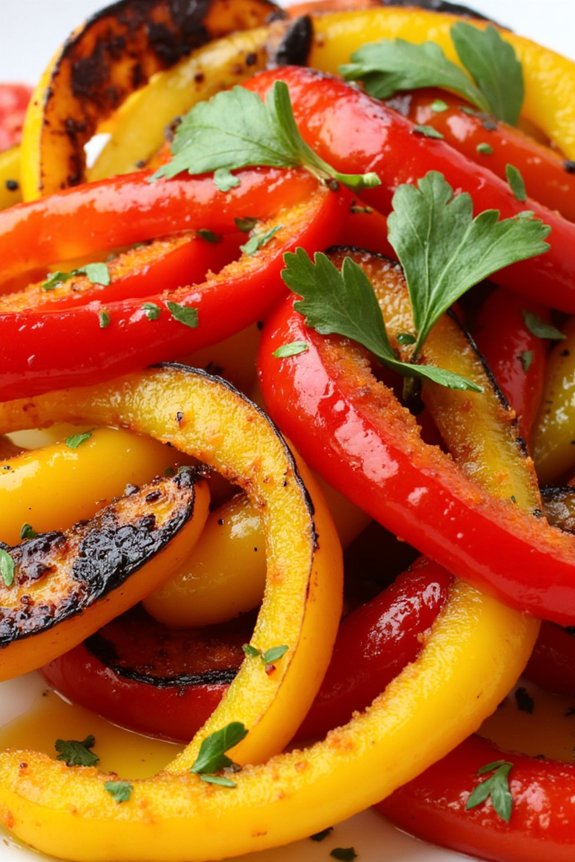
Ensalada De Pimientos Asados, also known as Roasted Pepper Salad, is a vibrant and flavorful Spanish dish that showcases the natural sweetness and smokiness of roasted peppers.
This salad is a simple yet delightful combination of roasted red and yellow bell peppers, garlic, olive oil, and vinegar, often garnished with fresh parsley. It’s a versatile dish that can be served as a starter, side dish, or even as a topping for grilled meats or fish. The roasting process enhances the peppers’ flavors, making them tender and slightly caramelized, which pairs beautifully with the tangy and aromatic dressing.
This salad is perfect for a Spanish-themed dinner or any occasion where you want to impress your guests with minimal effort. Ensalada De Pimientos Asados isn’t only delicious but also healthy, as it’s packed with vitamins and antioxidants from the peppers.
The dish is best prepared in advance, allowing the flavors to meld together, making it a convenient option for entertaining. Serve it chilled or at room temperature, and enjoy the burst of flavors with every bite.
Ingredients for 4-6 servings:
- 4 large red bell peppers
- 2 large yellow bell peppers
- 3 cloves garlic, minced
- 1/4 cup extra-virgin olive oil
- 2 tablespoons red wine vinegar
- Salt to taste
- Freshly ground black pepper to taste
- 2 tablespoons chopped fresh parsley
Cooking Instructions:
- Prepare the Peppers: Preheat your oven to 450°F (230°C). Place the red and yellow bell peppers on a baking sheet lined with aluminum foil.
- Roast the Peppers: Roast the peppers in the preheated oven for about 20-25 minutes, turning them occasionally, until the skins are charred and blistered.
- Steam and Peel: Once roasted, remove the peppers from the oven and place them in a bowl. Cover the bowl with plastic wrap and let them steam for about 15 minutes. This will make peeling easier.
- Peel and Slice: After steaming, peel off the skins from the peppers and remove the seeds and stems. Slice the peppers into thin strips.
- Make the Dressing: In a small bowl, whisk together the minced garlic, olive oil, red wine vinegar, salt, and black pepper.
- Assemble the Salad: In a large serving bowl, combine the sliced roasted peppers and the dressing. Toss well to make sure the peppers are coated evenly.
- Garnish and Serve: Sprinkle the chopped fresh parsley over the salad. Serve immediately or refrigerate for a couple of hours to allow the flavors to meld.
Extra Tips:
When roasting the peppers, confirm they’re evenly charred for the best flavor. If you prefer a smokier taste, you can also roast the peppers over an open flame on a gas stove or grill.
For a more robust flavor, consider adding a pinch of smoked paprika to the dressing. If you like a bit of heat, include a sliced fresh chili in the salad.
Fideuà De Verduras: Vegetable Noodle Paella
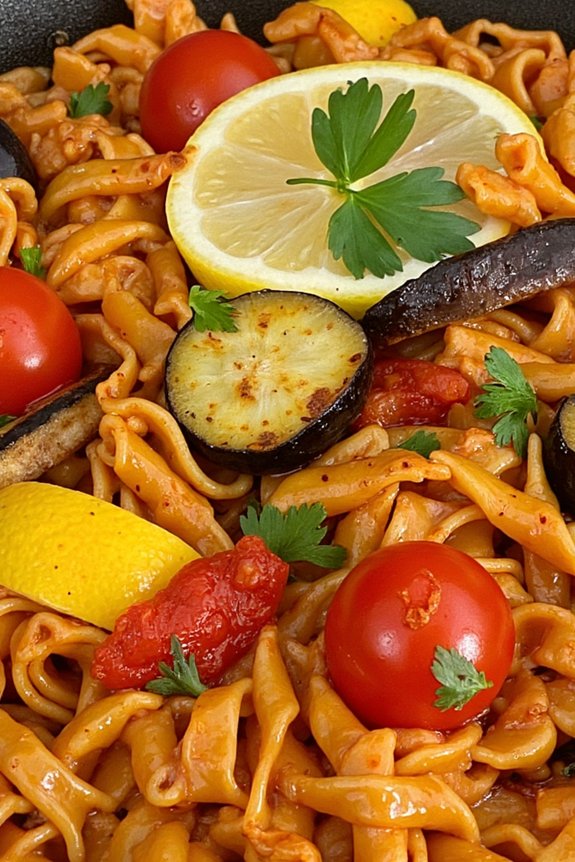
Fideuà De Verduras, also known as Vegetable Noodle Paella, is a delightful Spanish dish that brings the vibrant flavors of traditional paella into a vegetarian-friendly version. Originating from the Valencia region, this dish substitutes rice with short, thin noodles known as “fideuà,” making it a unique yet comforting meal. It bursts with the rich flavors of fresh vegetables, fragrant spices, and a hint of saffron, creating a perfect centerpiece for any dinner gathering.
The dish isn’t only visually appealing with its bright colors but also satisfying in taste and texture. This recipe is perfect for those who want to enjoy a vegetarian twist on the classic Spanish paella. Fideuà De Verduras is easy to prepare and can be cooked in a large paella pan or a wide skillet. The combination of seasonal vegetables adds a healthy dimension, while the saffron and smoked paprika infuse the dish with authentic Spanish flavors.
Whether you’re looking to impress guests or simply enjoy a comforting meal with family, this Fideuà De Verduras will transport you straight to the sunny coasts of Spain.
Ingredients (Serves 4-6):
- 250 grams of fideuà noodles or short vermicelli pasta
- 1 red bell pepper, diced
- 1 green bell pepper, diced
- 1 zucchini, diced
- 1 eggplant, diced
- 150 grams of cherry tomatoes, halved
- 1 onion, finely chopped
- 3 cloves of garlic, minced
- 1 teaspoon smoked paprika
- 1 pinch of saffron threads
- 1 liter of vegetable broth
- 3 tablespoons olive oil
- Salt and pepper to taste
- Fresh parsley, chopped (for garnish)
- Lemon wedges (for serving)
Cooking Instructions:
- Prepare the Vegetables: Begin by washing and dicing the vegetables. Verify the pieces are uniform in size to allow for even cooking.
- Sauté the Base: In a large paella pan or wide skillet, heat the olive oil over medium heat. Add the chopped onion and garlic, sautéing until translucent and fragrant, about 2-3 minutes.
- Cook the Vegetables: Add the diced red and green bell peppers, zucchini, and eggplant to the pan. Cook for about 5-7 minutes, stirring occasionally until the vegetables begin to soften.
- Add the Spices and Tomatoes: Stir in the smoked paprika and saffron threads, verifying they coat all the vegetables. Then add the cherry tomatoes and continue to cook for another 2 minutes.
- Incorporate the Noodles: Add the fideuà noodles to the pan, stirring to coat them in the vegetable and spice mixture.
- Pour the Broth: Gradually pour in the vegetable broth, stirring gently to combine all ingredients. Season with salt and pepper to taste.
- Simmer the Fideuà: Increase the heat to bring the mixture to a gentle boil, then reduce to a simmer. Cook uncovered for about 10-15 minutes, or until the noodles are tender and the liquid has been absorbed.
- Finish and Serve: Once cooked, remove the pan from heat and let it sit for a few minutes. Garnish with chopped fresh parsley. Serve with lemon wedges on the side for an added tang.
Extra Tips:
To achieve the perfect texture for your fideuà, resist the urge to stir too frequently once the broth is added. Allowing the noodles to cook undisturbed helps them absorb the flavors and develop a slightly crispy layer on the bottom, known as “socarrat,” which is a prized aspect of traditional paella.
Additionally, feel free to experiment with different vegetables based on seasonal availability, such as asparagus or artichokes, to add variety to the dish.
Calabacines Rellenos: Stuffed Zucchini
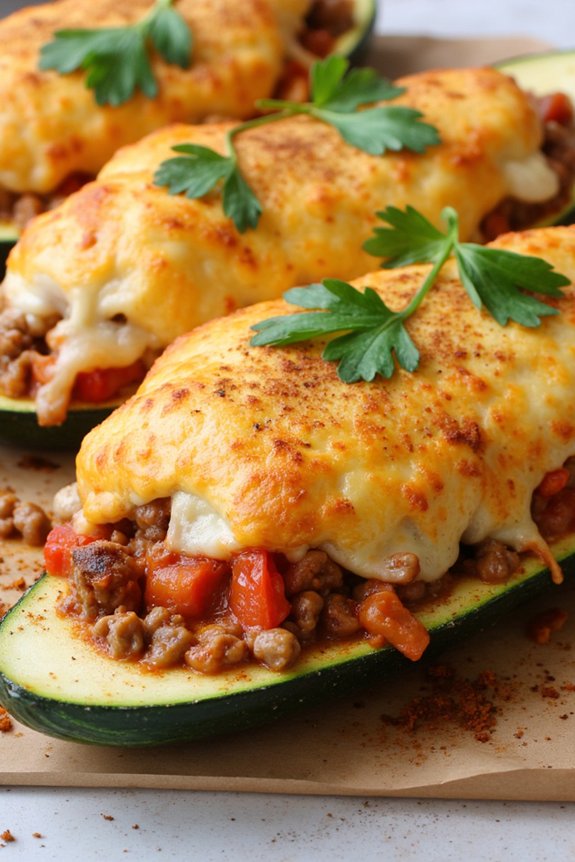
Calabacines Rellenos, or Stuffed Zucchini, is a delightful Spanish dish that combines the fresh, mild flavor of zucchini with a savory filling. This dish is perfect as a main course or a side dish, showcasing a blend of hearty ingredients like ground meat, vegetables, and aromatic spices. The zucchinis are hollowed out and filled with a delicious mixture, then baked to perfection, resulting in a meal that’s both nutritious and satisfying.
Whether you’re looking to impress guests or simply enjoy a comforting home-cooked meal, Calabacines Rellenos is a great choice. The versatility of this dish allows for various fillings depending on personal preference. Traditionally, the stuffing might include ground beef or pork, onions, tomatoes, bell peppers, and a mix of herbs and spices that contribute to the rich, robust flavor characteristic of Spanish cuisine.
Topped with melted cheese, this dish offers a harmonious blend of textures and flavors. It’s a wonderful way to incorporate more vegetables into your diet while enjoying the classic taste of Spain.
Ingredients (Serving Size: 4-6 people):
- 4 medium zucchinis
- 1 tablespoon olive oil
- 1 medium onion, finely chopped
- 2 cloves garlic, minced
- 1 red bell pepper, diced
- 1 pound ground beef or pork
- 1 teaspoon paprika
- 1 teaspoon dried oregano
- 1/2 teaspoon ground cumin
- Salt and pepper to taste
- 1 cup canned diced tomatoes, drained
- 1 cup shredded cheese (such as Manchego or cheddar)
- Fresh parsley for garnish
Cooking Instructions:
- Prepare the Zucchinis: Preheat the oven to 375°F (190°C). Wash the zucchinis thoroughly, then slice them in half lengthwise. Using a spoon, carefully scoop out the seeds and flesh from the center, leaving a sturdy shell about 1/4 inch thick. Set aside the scooped flesh for later use.
- Cook the Filling: In a large skillet, heat the olive oil over medium heat. Add the chopped onion and garlic, sautéing until the onion becomes translucent, about 3-4 minutes. Stir in the diced red bell pepper and cook for another 2 minutes.
- Brown the Meat: Add the ground beef or pork to the skillet. Cook, breaking up the meat with a spoon, until it’s browned and cooked through. This should take about 5-7 minutes.
- Season and Simmer: Stir in the paprika, oregano, cumin, salt, and pepper. Add the reserved zucchini flesh and canned diced tomatoes. Mix well and let the mixture simmer for about 5 minutes, allowing the flavors to meld together.
- Stuff the Zucchinis: Place the zucchini shells on a baking sheet. Spoon the meat mixture into each shell, packing it slightly to guarantee it’s well-filled.
- Bake: Sprinkle the shredded cheese evenly over the stuffed zucchinis. Bake in the preheated oven for 20-25 minutes, or until the zucchini is tender and the cheese is bubbly and golden brown.
- Garnish and Serve: Remove the stuffed zucchinis from the oven and let them cool slightly. Garnish with fresh parsley before serving.
Extra Tips:
When preparing Calabacines Rellenos, consider experimenting with the filling by adding different vegetables such as mushrooms or spinach for added nutrition. If you’re aiming for a lighter version, you can substitute ground meat with cooked quinoa or lentils for a vegetarian option.
Also, to ascertain even cooking, try to select zucchinis that are uniform in size. Finally, if you prefer a spicier touch, a pinch of chili powder or a few dashes of hot sauce can be added to the filling for an extra kick.
