

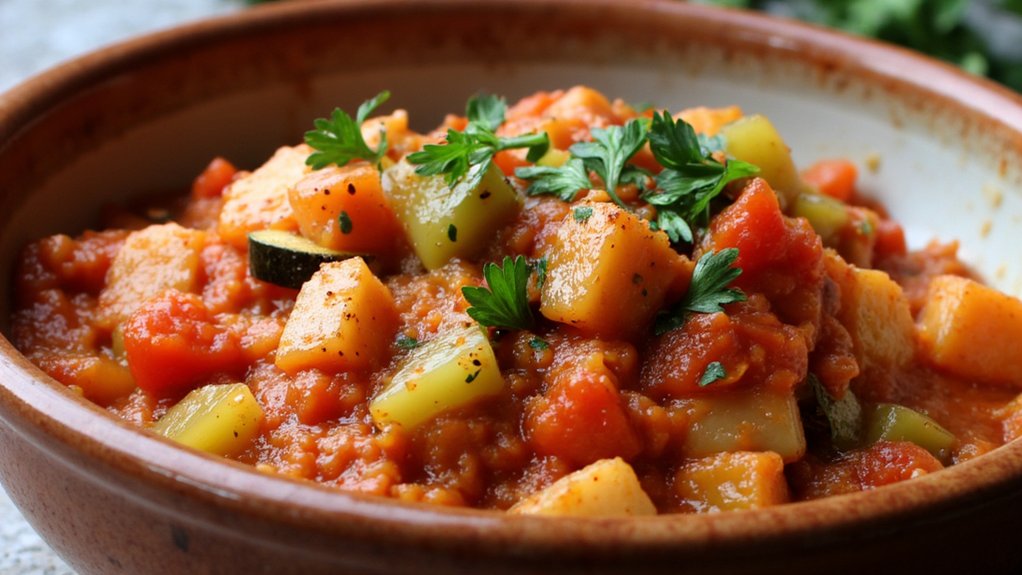
Spanish sauces are the secret weapon every kitchen needs. They bring a burst of flavor to any dish and have a rich history that’s simply delicious. From the smoky Romesco draped over grilled veggies to the zesty Salsa Brava on crispy potatoes, each sauce adds its own special touch. These recipes are perfect for adding a little flair to your meals. Are you ready to explore these flavorful favorites?
Romesco Sauce
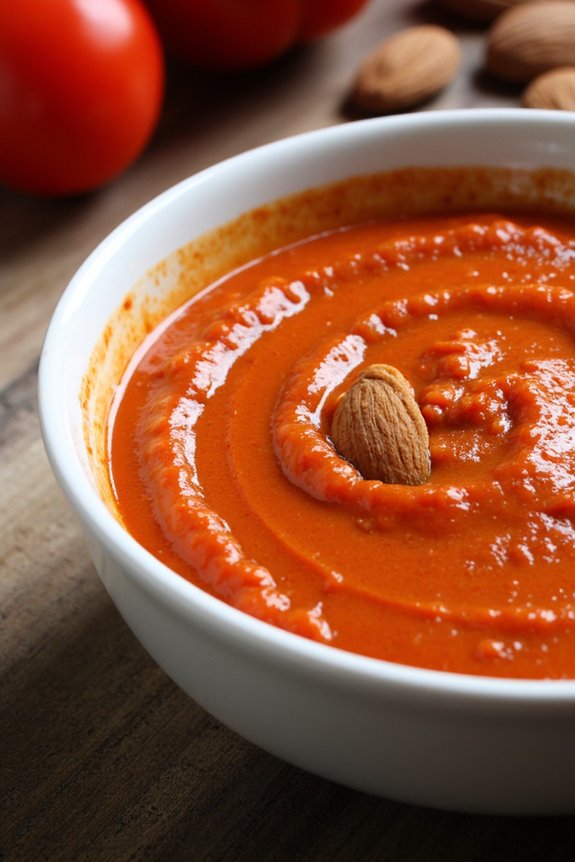
Romesco sauce is a classic Spanish condiment originating from Catalonia, known for its rich, smoky, and nutty flavors. Traditionally served with grilled meats and fish, it has also become popular as a dip for vegetables or a spread for sandwiches.
This versatile sauce is made from a blend of roasted red peppers, tomatoes, garlic, and almonds, which are then infused with olive oil and vinegar to create a balanced, vibrant dish. Its deep red hue and robust flavor make it a standout addition to any meal.
To prepare Romesco sauce, you’ll begin by roasting the main ingredients to enhance their natural flavors, then blend them into a smooth, thick sauce. This recipe is suitable for serving 4-6 people, making it perfect for a family meal or a small gathering. The ingredients list below includes all you need to create this deliciously complex sauce.
Ingredients:
- 2 large red bell peppers
- 2 ripe tomatoes
- 4 cloves garlic, unpeeled
- 1/2 cup blanched almonds
- 1/4 cup olive oil
- 2 tablespoons red wine vinegar
- 1 teaspoon smoked paprika
- Salt and pepper, to taste
- 1 slice of stale bread (about 1-inch thick)
Instructions:
1. Preheat the Oven: Begin by preheating your oven to 400°F (200°C). This will make sure that your vegetables roast evenly and develop a nice char.
2. Prepare the Vegetables and Nuts: Place the red bell peppers, tomatoes, and garlic cloves on a baking sheet. Roast these ingredients in the oven for about 20-25 minutes, or until the peppers are charred and the tomatoes are soft.
Meanwhile, toast the almonds in a dry skillet over medium heat until they’re golden brown, about 5 minutes. Set aside to cool.
3. Peel and Prep: Once the vegetables are roasted, remove them from the oven and let them cool slightly. Peel the skin off the red peppers and tomatoes, and squeeze the garlic cloves out of their skins.
4. Blend the Ingredients: In a food processor, combine the peeled peppers, tomatoes, garlic, toasted almonds, olive oil, red wine vinegar, smoked paprika, and the piece of stale bread. Blend until you achieve a smooth, thick consistency. Season with salt and pepper to taste.
5. Adjust the Flavor: Taste your Romesco sauce and adjust the seasoning as necessary. If you prefer a smokier flavor, add a bit more smoked paprika; for more acidity, add a splash of vinegar.
6. Serve: Transfer the sauce to a serving bowl. Romesco sauce can be served immediately, or chilled for later use. It pairs wonderfully with grilled meats, seafood, or as a dip for fresh vegetables.
Extra Tips:
When preparing Romesco sauce, the quality of the ingredients can greatly impact the final flavor. Opt for ripe, fresh tomatoes and peppers for the best results.
If you don’t have stale bread, you can toast a fresh slice to dry it out before blending. Additionally, if you prefer a spicier version, consider adding a pinch of chili flakes or a chopped red chili to the mix.
Romesco sauce can be stored in an airtight container in the refrigerator for up to a week, allowing the flavors to meld and intensify over time.
Mojo Picón
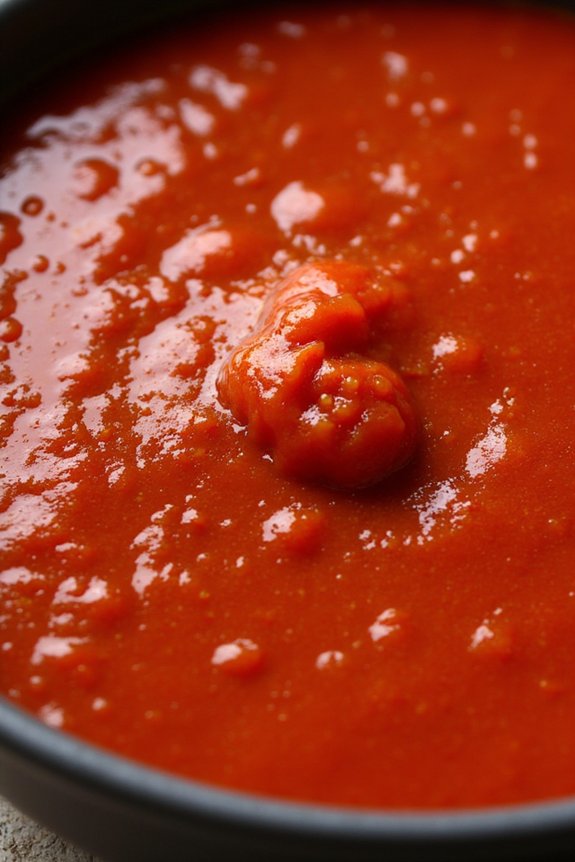
Mojo Picón is a vibrant and spicy sauce from the Canary Islands of Spain, renowned for its versatility and bold flavors. Traditionally served with papas arrugadas (wrinkled potatoes), this zesty sauce can also be used as a marinade or condiment for grilled meats, fish, and vegetables. Its fiery kick comes from the combination of red peppers and garlic, balanced with the earthiness of cumin and the tang of vinegar. Perfect for adding a touch of Spanish flair to any dish, Mojo Picón is both simple to make and incredibly satisfying.
The sauce’s robust flavor profile is achieved through blending roasted red peppers with a handful of spices and olive oil. While it’s quick to prepare, allowing the flavors to meld overnight will enhance its depth and complexity. This recipe makes a serving size of 4-6 people, ensuring there’s plenty to enjoy with your favorite dishes.
Whether you’re hosting a Spanish-themed dinner or just looking to spice up a weeknight meal, Mojo Picón is sure to impress.
Ingredients for 4-6 People:
- 2 large red bell peppers
- 6 cloves of garlic
- 1 teaspoon ground cumin
- 1 teaspoon smoked paprika
- 1 teaspoon cayenne pepper (adjust for heat preference)
- 1/4 cup red wine vinegar
- 1/2 cup extra virgin olive oil
- Salt to taste
- Black pepper to taste
Cooking Instructions:
- Prepare the Peppers: Preheat your oven to 400°F (200°C). Place the red bell peppers on a baking sheet and roast them in the oven for about 20-25 minutes, turning occasionally, until the skins are charred and blistered.
- Peel the Peppers: Once roasted, remove the peppers from the oven and place them in a bowl. Cover the bowl with plastic wrap or a lid and let the peppers steam for 10 minutes. This will make it easier to peel off the skins. After steaming, peel the skins off the peppers, remove the seeds, and roughly chop them.
- Blend the Ingredients: In a food processor or blender, combine the roasted red peppers, garlic cloves, ground cumin, smoked paprika, cayenne pepper, and red wine vinegar. Blend until smooth.
- Incorporate the Olive Oil: With the food processor or blender running on low speed, slowly drizzle in the extra virgin olive oil until the mixture is emulsified and smooth.
- Season to Taste: Add salt and black pepper to taste, blending briefly to incorporate.
- Chill and Serve: Transfer the Mojo Picón to a bowl or jar and refrigerate for at least one hour before serving. This allows the flavors to meld and intensify.
Extra Tips:
For an even deeper flavor, consider roasting the garlic cloves alongside the red peppers. This will add a mellow, sweet note to the sauce. If you prefer a milder sauce, reduce the amount of cayenne pepper or substitute it with sweet paprika.
Mojo Picón can be stored in an airtight container in the refrigerator for up to one week, making it a convenient option for meal prep. Serve it at room temperature for the best flavor, and remember to give it a good stir before serving to recombine any separated oils.
Salsa Brava
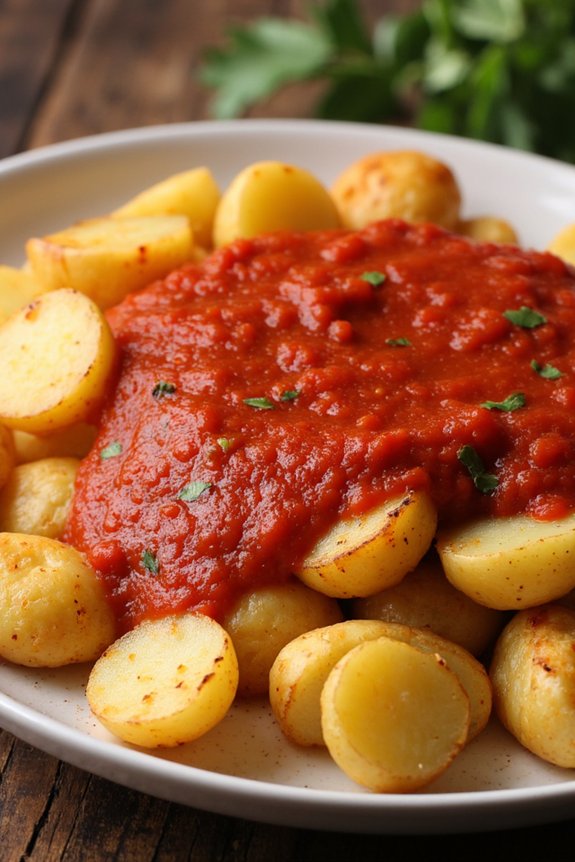
Salsa Brava is a quintessential Spanish sauce known for its fiery, bold flavor, often served as a delightful accompaniment to tapas such as Patatas Bravas. Originating from Madrid, this spicy tomato-based sauce is rich in history and flavor, offering a perfect blend of heat and tang that can transform any dish into a Spanish culinary masterpiece.
The sauce is typically poured over crisp, golden potatoes, but its versatility makes it a great addition to a variety of dishes, enhancing them with a robust zest that’s sure to please any spice lover.
The beauty of Salsa Brava lies in its simplicity and the quality of its ingredients, which come together to create a sauce that’s both easy to make and deeply satisfying. The combination of ripe tomatoes, garlic, and paprika creates a base that’s richly seasoned with a hint of smokiness.
By creating this sauce at home, you can adjust the heat to suit your taste, making it as fiery or mild as you like. Whether you’re planning a tapas night or simply want to add a Spanish twist to your meal, Salsa Brava is a must-try recipe that brings the vibrant flavors of Spain straight to your table.
Ingredients for Salsa Brava (serving size: 4-6 people):
- 4 tablespoons olive oil
- 1 small onion, finely chopped
- 2 cloves garlic, minced
- 1 teaspoon smoked paprika
- 1/2 teaspoon hot paprika or cayenne pepper
- 1 tablespoon tomato paste
- 1 can (14 ounces) crushed tomatoes
- 1 tablespoon red wine vinegar
- Salt to taste
- Freshly ground black pepper to taste
- 1/2 cup water
Cooking Instructions:
- Prepare the Base: Heat the olive oil in a large saucepan over medium heat. Add the finely chopped onions and sauté until they become translucent, about 5 minutes. Then, add the minced garlic and cook for an additional 2 minutes, stirring occasionally to prevent burning.
- Add the Spices: Sprinkle in the smoked paprika and hot paprika (or cayenne pepper) over the onion and garlic mixture. Stir well to coat the onions and garlic with the spices, releasing their fragrant aroma.
- Tomato Mixture: Stir in the tomato paste, ensuring it’s well combined with the onions and garlic. Add the crushed tomatoes, red wine vinegar, and water, stirring to create a smooth consistency.
- Simmer and Season: Bring the mixture to a gentle simmer, reducing the heat to low. Allow the sauce to cook for around 20-25 minutes, stirring occasionally, until it thickens. Season with salt and freshly ground black pepper to taste.
- Blend the Sauce: For a smoother texture, use an immersion blender to puree the sauce directly in the saucepan until it reaches your desired consistency. If you prefer a chunkier sauce, you can skip this step.
- Adjust and Serve: Taste the sauce and adjust seasoning as necessary. Once satisfied, remove it from the heat and let it cool slightly before serving. Spoon it generously over crispy fried potatoes or use it as a spicy dip for any of your favorite tapas.
Extra Tips:
When making Salsa Brava, it’s essential to use high-quality smoked paprika for an authentic smoky flavor. If you don’t have red wine vinegar, apple cider vinegar can be a good substitute.
For those who prefer it extra spicy, consider adding a pinch more of hot paprika or cayenne. The sauce can be made ahead of time and stored in the refrigerator for up to a week, allowing the flavors to meld even further. Serve it warm or at room temperature to fully enjoy its robust taste.
Alioli
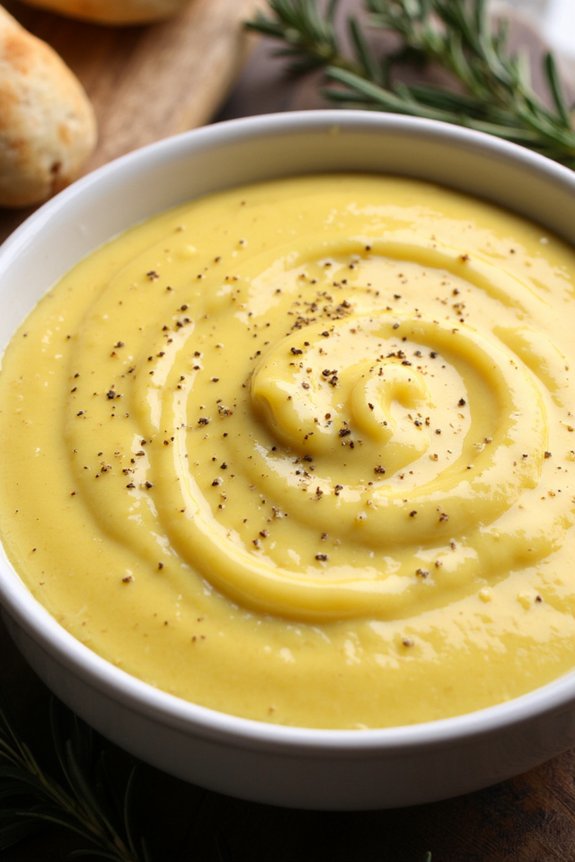
Alioli is a traditional Spanish sauce that brings a burst of flavor to any meal, often served as a dip or a condiment. It’s a creamy, garlicky sauce that pairs beautifully with a variety of dishes, from patatas bravas to grilled meats and seafood. The name is derived from the Catalan words “all” (meaning garlic) and “oli” (meaning oil), highlighting its primary ingredients.
Originating from Catalonia, Alioli is a staple in Spanish cuisine, known for its simple yet bold taste.
Making Alioli at home is straightforward, requiring just a few ingredients and some patience. The key to a perfect Alioli is achieving the right emulsion, which gives the sauce its smooth and creamy texture. It traditionally doesn’t include eggs, but many modern versions use egg yolks to stabilize the emulsion, making the process a bit easier for home cooks.
This recipe will guide you through making a classic version that serves 4-6 people.
Ingredients for Alioli (serving size: 4-6 people):
- 4 large garlic cloves
- 1 teaspoon coarse sea salt
- 1 cup extra virgin olive oil
- 2 teaspoons lemon juice
- Optional: 1 egg yolk (for easier emulsion)
- Optional: Freshly ground black pepper to taste
Cooking Instructions:
- Prepare the Garlic: Begin by peeling the garlic cloves. Using a mortar and pestle, crush them together with the sea salt until a smooth paste forms. This step is essential as it releases the natural oils and flavors of the garlic.
- Start the Emulsion: If you’re using an egg yolk, add it to the garlic paste and mix well. The egg yolk will help stabilize the emulsion, making the process easier, especially for beginners.
- Slowly Add Olive Oil: Gradually add the olive oil to the garlic mixture in a slow, steady stream while continuously stirring or whisking. If you’re using a mortar and pestle, maintain a circular motion to guarantee the oil and garlic combine smoothly. If using a whisk or an immersion blender, keep the speed low and steady.
- Incorporate Lemon Juice: Once the oil is fully incorporated and the mixture has thickened, add the lemon juice. This will brighten the flavor and slightly thin the sauce. Continue to mix until the lemon juice is fully integrated.
- Season and Adjust: Taste the Alioli and add salt or pepper if necessary. Adjust the lemon juice to taste if you prefer a tangier sauce.
- Chill and Serve: Transfer the Alioli to a serving bowl, cover, and refrigerate for at least 30 minutes to allow the flavors to meld together. Serve chilled as a dip or accompaniment to your favorite dishes.
Extra Tips:
For a successful Alioli, patience is key—especially when adding the oil. Too fast, and the emulsion might break, resulting in a separated sauce. If the sauce does break, you can start fresh with a new egg yolk and gradually whisk the broken sauce into it.
Confirm all ingredients, especially the olive oil, are at room temperature to facilitate better emulsification. For a more intense garlic flavor, allow the sauce to sit overnight. Enjoy your homemade Alioli with a variety of Spanish dishes or as a simple yet delicious dip for fresh bread.
Sofrito
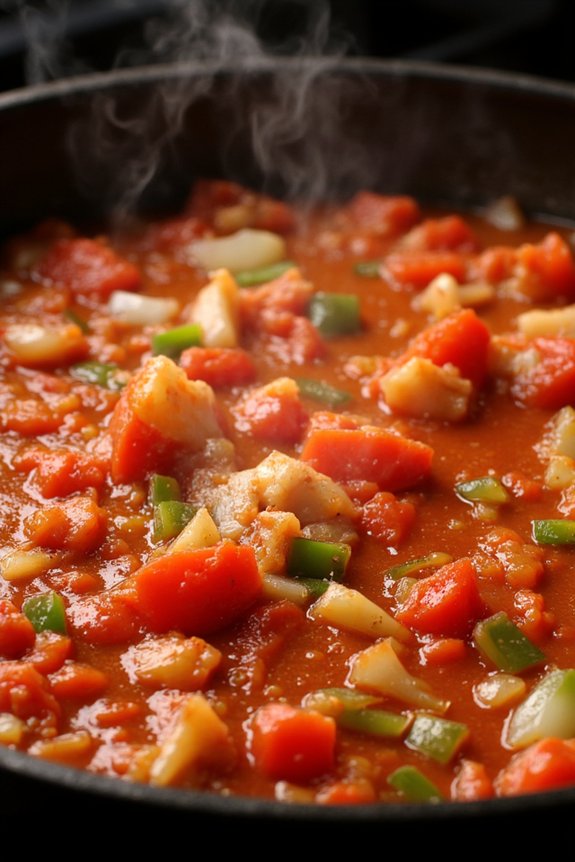
Sofrito is a foundational sauce in Spanish cuisine, bursting with aromatic flavors that can elevate a variety of dishes. This versatile sauce is a harmonious blend of tomatoes, peppers, onions, and garlic, slowly cooked to perfection. It serves as an excellent base for stews, soups, and rice dishes, infusing them with rich, savory flavors.
Traditionally, sofrito is prepared with a combination of fresh ingredients and can be adjusted with different spices and herbs to suit personal preferences or specific recipes.
To make a sofrito that serves 4-6 people, you’ll need a mix of fresh vegetables and a few pantry staples. The beauty of sofrito lies in its simplicity, allowing the natural flavors of the ingredients to shine through with minimal seasoning. This recipe will guide you through the process of creating a classic sofrito that you can use to enhance your Spanish culinary creations.
Ingredients for Sofrito (Serving Size: 4-6 People):
- 1/4 cup extra virgin olive oil
- 1 large onion, finely chopped
- 1 red bell pepper, finely chopped
- 1 green bell pepper, finely chopped
- 4 garlic cloves, minced
- 4 large ripe tomatoes, peeled and chopped
- 1 teaspoon paprika
- Salt to taste
- Freshly ground black pepper to taste
- 1 bay leaf
- 1/4 cup white wine (optional)
Cooking Instructions:
- Prepare the Ingredients: Begin by finely chopping the onion, red bell pepper, and green bell pepper. Peel and chop the tomatoes, and mince the garlic cloves. This prep work is essential to guarantee the even cooking of the sofrito.
- Heat the Olive Oil: In a large skillet or saucepan over medium heat, add the extra virgin olive oil. Allow it to heat up but not smoke, as this will be the base to gently cook your vegetables.
- Cook the Onions and Peppers: Add the chopped onions to the skillet. Cook them for about 5 minutes until they become translucent. Then, add the red and green bell peppers. Stir occasionally and continue to cook for another 5 minutes, allowing them to soften.
- Add the Garlic: Once the onions and peppers are soft, add the minced garlic. Stir the mixture and cook for an additional minute, guaranteeing the garlic doesn’t burn as it can become bitter.
- Incorporate the Tomatoes: Add the chopped tomatoes to the skillet. Stir well to combine all the ingredients. If using, pour in the white wine at this stage. The wine will add a layer of flavor and help deglaze the pan.
- Season the Sofrito: Sprinkle in the paprika, salt, and freshly ground black pepper. Add the bay leaf for an aromatic touch. Stir to make certain the spices are evenly distributed.
- Simmer the Sofrito: Reduce the heat to low and let the sofrito simmer gently uncovered. Allow it to cook for 30-45 minutes, stirring occasionally, until the sauce thickens and the flavors meld together.
- Adjust Seasoning: Taste the sofrito and adjust the seasoning if necessary. Remove the bay leaf before serving or incorporating it into other dishes.
Extra Tips:
When making sofrito, it’s important to use ripe tomatoes for the best flavor. If fresh tomatoes aren’t available, canned tomatoes can be a suitable substitute.
Additionally, the sofrito can be made in advance and stored in the refrigerator for up to a week, or frozen for longer storage. This makes it a convenient and time-saving option for future meals.
If you prefer a smoother consistency, you can blend the sofrito after cooking, but guarantee it cools slightly before doing so to avoid any mishaps.
Salsa Verde
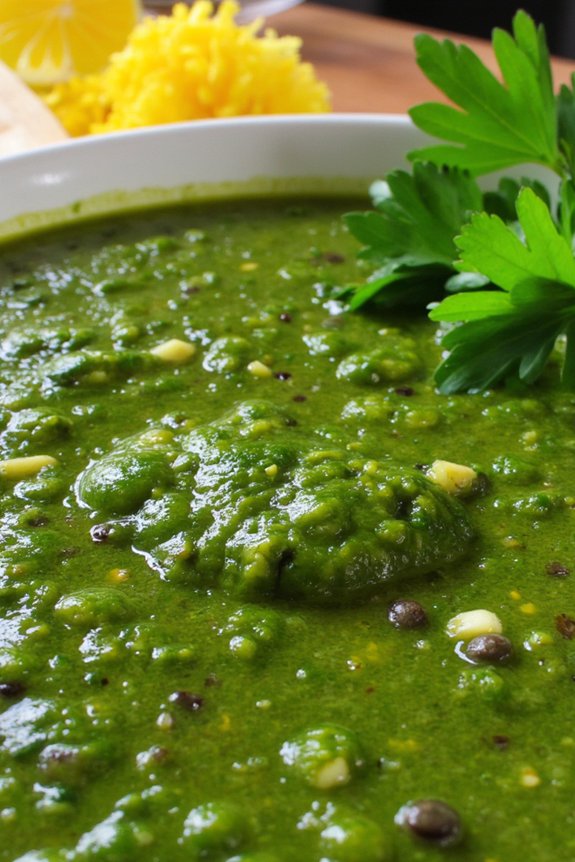
Salsa Verde, a zesty and vibrant sauce, is a staple in Spanish cuisine. This versatile sauce is perfect for adding a pop of flavor to a variety of dishes. Traditionally made with fresh herbs, garlic, and a hint of spice, Salsa Verde can be drizzled over grilled meats, fish, or even used as a dip for crusty bread. Its bright green color and invigorating taste make it an ideal accompaniment for any meal, especially during the warmer months.
To create an authentic Salsa Verde, it’s important to use fresh ingredients for the best flavor. The combination of parsley, cilantro, and mint provides a fresh, herbal taste, while garlic and capers add depth. A touch of lemon juice brings a hint of acidity, balancing the flavors perfectly. This recipe serves 4-6 people, making it a great choice for family dinners or small gatherings.
Ingredients:
- 1 cup fresh parsley leaves, packed
- 1/2 cup fresh cilantro leaves, packed
- 1/4 cup fresh mint leaves, packed
- 3 cloves garlic, minced
- 2 tablespoons capers, drained
- 1/4 cup olive oil
- Zest and juice of 1 lemon
- Salt and pepper to taste
Instructions:
- Prepare the Herbs: Rinse the parsley, cilantro, and mint under cold water to remove any dirt. Pat them dry with a paper towel or use a salad spinner to verify they’re dry. This will help prevent the sauce from becoming too watery.
- Chop the Ingredients: On a large cutting board, finely chop the parsley, cilantro, and mint. You can do this by hand or pulse them in a food processor for a finer texture. Transfer the chopped herbs to a mixing bowl.
- Combine with Garlic and Capers: Add the minced garlic and capers to the bowl with the herbs. Mix them together gently to combine the flavors.
- Add Olive Oil and Lemon: Pour the olive oil over the herb mixture and add the lemon zest and juice. Stir everything together until well combined. The olive oil will help meld the flavors and give the sauce a smooth consistency.
- Season to Taste: Finally, season the Salsa Verde with salt and pepper according to your preference. Stir again to confirm the seasoning is evenly distributed.
- Serve or Store: Serve the Salsa Verde immediately, or store it in an airtight container in the refrigerator for up to 3 days. Allow it to come to room temperature before serving if refrigerated.
Extra Tips:
For an extra kick, consider adding a pinch of red pepper flakes or a small chopped green chili to the mix. If you find the sauce too thick, a splash of water or additional olive oil can be added to reach your desired consistency.
Pipirrana Sauce
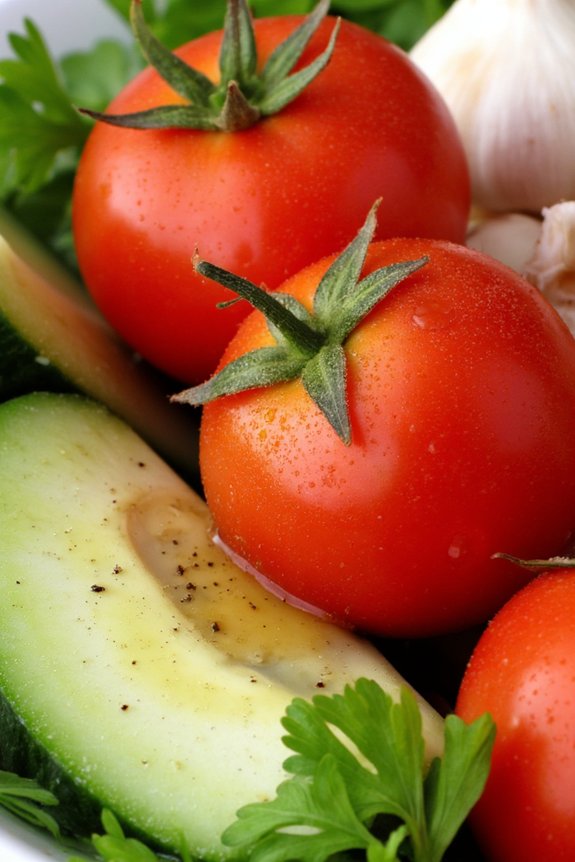
Pipirrana Sauce is a delightful Spanish sauce known for its invigorating and vibrant flavor, perfect for enhancing any dish it accompanies. This sauce originates from the Andalusian region of Spain, where fresh and simple ingredients are the star of the culinary show. Traditionally used as a dressing for salads or accompanying grilled meats, Pipirrana Sauce brings together the freshness of tomatoes, the crispness of peppers, and the subtle bite of onions, all harmoniously blended with a rich olive oil base.
This versatile sauce is incredibly easy to prepare and can be customized to suit individual tastes. It’s a staple in Spanish cuisine, often enjoyed during the warmer months due to its light and invigorating nature. Whether you’re hosting a Spanish-themed dinner or simply looking to add a Mediterranean touch to your meals, Pipirrana Sauce is a must-try recipe that will surely impress your guests with its simplicity and flavor.
Ingredients for Pipirrana Sauce (serves 4-6 people):
- 4 ripe tomatoes
- 1 green bell pepper
- 1 red bell pepper
- 1 small cucumber
- 1 small red onion
- 2 cloves of garlic
- 1/4 cup extra virgin olive oil
- 2 tablespoons red wine vinegar
- Salt, to taste
- Freshly ground black pepper, to taste
- Fresh parsley, for garnish
Cooking Instructions:
- Prepare the Vegetables: Start by washing the tomatoes, bell peppers, and cucumber thoroughly. Dice the tomatoes, green and red bell peppers, and cucumber into small, even pieces. This guarantees that every bite of the sauce has a balanced mix of flavors.
- Chop the Onion and Garlic: Peel and finely chop the red onion and garlic cloves. The finer the chop, the better they’ll blend with the rest of the ingredients, providing a subtle yet flavorful undertone.
- Mix the Ingredients: In a large mixing bowl, combine the diced tomatoes, bell peppers, cucumber, chopped onion, and garlic. Stir them well to guarantee even distribution of the vegetables.
- Add the Dressing: Drizzle the extra virgin olive oil and red wine vinegar over the mixed vegetables. Toss the ingredients gently to coat them evenly with the dressing. Season with salt and freshly ground black pepper to taste.
- Let it Marinate: Allow the sauce to marinate for at least 30 minutes in the refrigerator. This resting period helps the flavors meld together, resulting in a more cohesive and flavorful sauce.
- Serve and Garnish: Before serving, give the sauce a final stir. Transfer to a serving bowl and garnish with freshly chopped parsley. Pipirrana Sauce is now ready to be enjoyed as a topping for grilled meats, a side dish, or even as an invigorating salad.
Extra Tips:
When preparing Pipirrana Sauce, feel free to adjust the proportions of the ingredients to suit your personal preference. For a spicier kick, consider adding a pinch of cayenne pepper or a few slices of jalapeño.
It’s also important to use high-quality olive oil, as it greatly influences the overall taste of the sauce. Remember, the fresher the ingredients, the better the final product will be. Enjoy experimenting with different variations to find your perfect balance of flavors!
Salmorejo
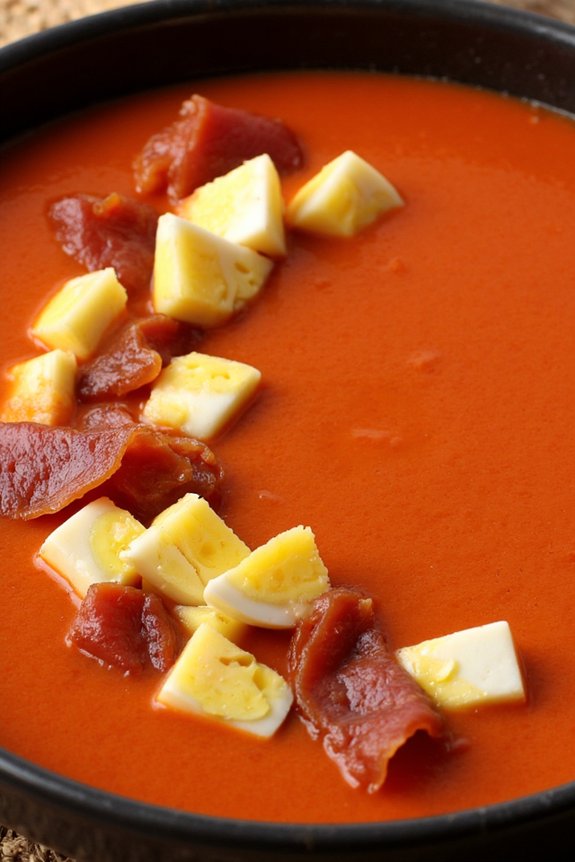
Salmorejo is a classic Spanish chilled tomato soup that originates from the Andalusian region, specifically from Córdoba. This creamy and invigorating dish is perfect for the warmer months and is traditionally served as a starter or a light meal.
Unlike its cousin gazpacho, salmorejo has a thicker consistency due to the addition of bread, making it a satisfying and hearty option. It’s typically garnished with hard-boiled eggs and jamón serrano, adding a delightful contrast of textures and flavors.
The preparation of salmorejo is simple and relies on high-quality, ripe tomatoes, good olive oil, and a touch of garlic, which are blended to create a smooth and velvety texture. The dish isn’t only delicious but also healthy, as it’s rich in vitamins and antioxidants.
Follow this easy recipe to enjoy an authentic taste of Spain right in your own home.
Ingredients (Serves 4-6):
- 1 kg ripe tomatoes
- 200 g stale bread, crust removed
- 100 ml extra virgin olive oil
- 1 clove garlic
- 1 tablespoon sherry vinegar
- Salt to taste
- 2 hard-boiled eggs, chopped
- 50 g jamón serrano, diced
Cooking Instructions:
- Prepare the Tomatoes: Begin by washing the tomatoes thoroughly. Remove the cores and cut them into quarters. There’s no need to peel them as the blending process will smooth out the texture.
- Soak the Bread: Tear the stale bread into small pieces and place them in a bowl. Add the tomatoes to the bowl and let the bread soak up the tomato juices for about 10 minutes.
- Blend the Mixture: Transfer the soaked bread and tomatoes to a blender. Add the garlic clove, olive oil, sherry vinegar, and a generous pinch of salt. Blend the ingredients until you achieve a smooth and creamy consistency. If the mixture is too thick, you can add a bit of cold water to thin it out.
- Chill the Soup: Once blended, taste the salmorejo and adjust the seasoning if necessary. Transfer it to a large bowl or container and refrigerate for at least 2 hours to allow the flavors to meld and the soup to chill.
- Prepare the Garnish: While the salmorejo is chilling, boil the eggs until hard-boiled, then peel and chop them. Dice the jamón serrano into small pieces.
- Serve: Pour the chilled salmorejo into bowls and top each serving with chopped hard-boiled eggs and diced jamón serrano. Drizzle a bit of olive oil on top for extra flavor if desired.
Extra Tips:
For the best results, use ripe and flavorful tomatoes, as they’re the star ingredient of the dish. If you can’t find stale bread, you can use fresh bread and toast it lightly to remove excess moisture.
The thickness of the salmorejo can be adjusted by varying the amount of bread and olive oil used. Make sure to chill the soup well before serving, as it enhances the flavors and makes it more invigorating.
If you prefer a smoother texture, you can pass the blended mixture through a fine sieve before chilling.
Salsa De Tomate
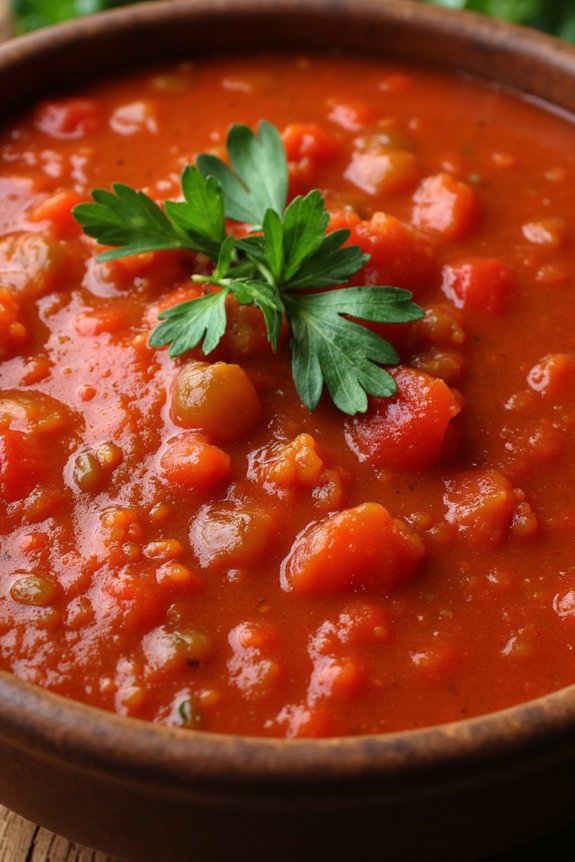
Salsa De Tomate, a classic Spanish tomato sauce, is a versatile and flavorful addition to a wide variety of dishes. With its rich texture and robust taste, this sauce can elevate everything from simple pastas to hearty stews. The secret to a great Salsa De Tomate lies in the quality of the tomatoes and the balance of spices used in the recipe. By simmering ripe tomatoes with aromatic herbs and spices, you create a sauce that captures the essence of Spanish cuisine.
This recipe for Salsa De Tomate is designed to serve 4-6 people, making it perfect for a family meal or a small gathering. The sauce can be made in advance and stored in the refrigerator for later use, allowing the flavors to meld and deepen over time. Whether you’re using it as a base for other dishes or enjoying it on its own, this tomato sauce is sure to become a staple in your kitchen repertoire.
Ingredients:
- 2 lbs ripe tomatoes
- 1 large onion
- 3 cloves garlic
- 1 red bell pepper
- 1/4 cup olive oil
- 1 teaspoon sugar
- 1 teaspoon salt
- 1/2 teaspoon black pepper
- 1 teaspoon dried oregano
- 1 teaspoon dried basil
- 1 bay leaf
- 2 tablespoons tomato paste
- 1/4 cup red wine (optional)
- Fresh parsley for garnish
Cooking Instructions:
- Prepare the Tomatoes: Start by blanching the tomatoes to remove their skins. Bring a large pot of water to a boil, and make an ‘X’ incision on the bottom of each tomato. Place them in the boiling water for about 30 seconds, then transfer to an ice bath. Peel off the skins and chop the tomatoes into small pieces.
- Sauté the Aromatics: In a large saucepan, heat the olive oil over medium heat. Add the chopped onion and minced garlic, and sauté until the onion becomes translucent and soft. This should take about 5 minutes.
- Add the Vegetables: Chop the red bell pepper into small pieces and add it to the saucepan. Continue to cook for another 5 minutes until the pepper softens.
- Combine the Ingredients: Add the chopped tomatoes, tomato paste, sugar, salt, black pepper, dried oregano, dried basil, and the bay leaf to the saucepan. Stir well to combine all the ingredients.
- Simmer the Sauce: If using, pour in the red wine and stir. Bring the mixture to a gentle boil, then reduce the heat to low. Allow the sauce to simmer uncovered for about 30-40 minutes, stirring occasionally, until it thickens and the flavors meld.
- Adjust Seasoning and Serve: Taste the sauce and adjust the seasoning if necessary. Remove the bay leaf before serving. Garnish with freshly chopped parsley and serve hot.
Extra Tips: When preparing Salsa De Tomate, using ripe, fresh tomatoes will greatly enhance the flavor of the sauce. If fresh tomatoes aren’t available, you can substitute with high-quality canned tomatoes.
To add a richer flavor, consider roasting the tomatoes and bell peppers before adding them to the sauce. This will impart a smoky depth to the dish. Always remember to taste the sauce as it simmers, making adjustments to the seasoning according to your preference.
Escabeche Sauce
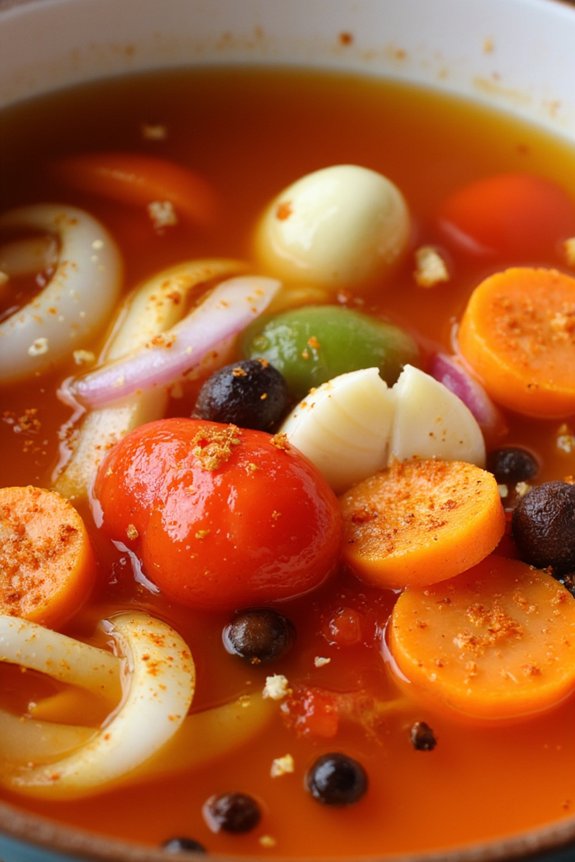
Escabeche sauce is a traditional Spanish marinade and sauce that’s perfect for enhancing the flavors of a variety of dishes, from fish and chicken to vegetables. Known for its tangy and slightly sweet profile, escabeche sauce involves a delightful combination of vinegar, herbs, and spices. It’s often used in Mediterranean and Latin American cuisines and can be served hot or cold.
This versatile sauce not only infuses dishes with its vibrant flavors but also acts as a preserving agent, making it ideal for preparing meals in advance.
The origins of escabeche date back to the Arab regions, and it has since become a staple in Spanish gastronomy. The sauce typically consists of a base of olive oil, vinegar, garlic, and onions, with an aromatic blend of bay leaves, peppercorns, and paprika adding depth to its flavor.
This recipe will guide you through creating a classic escabeche sauce, perfect for marinating and serving over your choice of fish, poultry, or vegetables for a serving size of 4-6 people.
Ingredients:
- 1 cup olive oil
- 1 cup white wine vinegar
- 1 large onion, thinly sliced
- 4 cloves garlic, minced
- 2 bay leaves
- 1 teaspoon whole black peppercorns
- 1 teaspoon paprika
- 1/2 teaspoon salt
- 1/4 teaspoon ground black pepper
- 1 red bell pepper, julienned
- 1 carrot, peeled and sliced into thin rounds
Cooking Instructions:
- Prepare the Vegetables:
- Begin by preparing the vegetables. Thinly slice the onion and julienne the red bell pepper. Peel the carrot and slice it into thin rounds. Set aside.
- Heat the Olive Oil:
- In a large saucepan or skillet, heat the olive oil over medium heat. Once the oil is warm, add the sliced onions and garlic. Sauté for about 5 minutes or until the onions are soft and translucent.
- Add the Spices:
- Stir in the bay leaves, whole black peppercorns, paprika, salt, and ground black pepper. Continue to sauté for an additional 2 minutes to allow the spices to release their aromas.
- Incorporate the Vegetables:
- Add the julienned red bell pepper and sliced carrot to the skillet. Stir well to coat the vegetables with the oil and spice mixture. Cook for another 5 minutes, stirring occasionally.
- Add the Vinegar:
- Pour in the white wine vinegar and bring the mixture to a gentle simmer. Allow the sauce to cook for 10 minutes, ensuring the vegetables are tender but still firm.
- Cool and Store:
- Once cooked, remove the saucepan from heat and let the escabeche sauce cool. Transfer the sauce to a bowl or jar, cover, and refrigerate for at least 2 hours to allow the flavors to meld together. The sauce can be stored in the refrigerator for up to a week.
Extra Tips:
When making escabeche sauce, it’s important not to overcook the vegetables, as they should retain a bit of crunch to complement the tangy sauce.
For a milder flavor, you can substitute white wine vinegar with apple cider vinegar or reduce the amount of vinegar slightly. This sauce can be used as a marinade for up to 24 hours, allowing the flavors to penetrate deeply, which is especially effective for meats and fish.
Serve escabeche sauce at room temperature or slightly chilled for the best taste experience.
Chimichurri Español
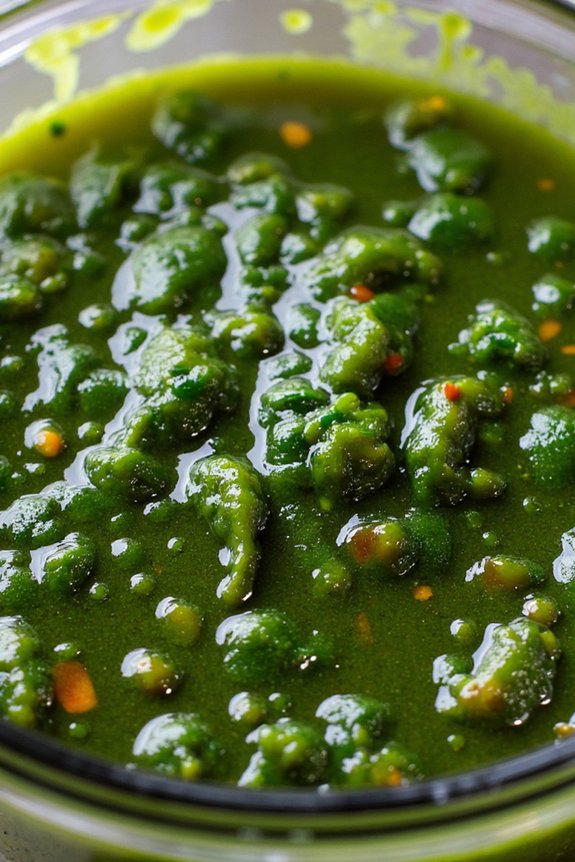
Chimichurri Español is a delightful twist on the traditional Argentine sauce, incorporating Spanish flavors to create a versatile and vibrant condiment. This sauce is perfect for enhancing the taste of grilled meats, vegetables, or even as a zesty dressing for salads.
With its bold blend of fresh herbs, garlic, and a touch of spice, Chimichurri Español brings a burst of flavor to any dish. This recipe serves 4-6 people and is quick and easy to prepare, making it an ideal accompaniment for both everyday meals and special occasions.
Whether you’re grilling up a feast or simply looking to add some excitement to your dinner, this Chimichurri Español won’t disappoint.
Ingredients:
- 1 cup fresh parsley leaves
- 1/2 cup fresh cilantro leaves
- 4 cloves garlic
- 1 small red chili, seeded
- 1/4 cup red wine vinegar
- 1/2 cup extra virgin olive oil
- 1 teaspoon smoked paprika
- 1/2 teaspoon dried oregano
- Salt and pepper to taste
Cooking Instructions:
1. Prepare the Ingredients: Begin by washing the parsley and cilantro under cold water. Pat them dry with a clean kitchen towel or paper towels to remove any excess moisture.
Peel the garlic cloves and remove the seeds from the red chili for a milder heat.
2. Blend the Herbs and Garlic: In a food processor, combine the parsley, cilantro, garlic, and red chili. Pulse the mixture until the herbs are finely chopped and well combined.
Scrape down the sides of the bowl as needed to guarantee an even texture.
3. Add the Liquids: Pour in the red wine vinegar and olive oil into the food processor. Pulse again until the ingredients are fully incorporated, creating a smooth and cohesive sauce.
4. Season the Sauce: Add the smoked paprika, dried oregano, salt, and pepper to the mixture. Blend for a few more seconds until the spices are evenly distributed throughout the sauce.
Taste and adjust the seasoning as necessary.
5. Serve or Store: Transfer the Chimichurri Español to a serving bowl or airtight container. It can be used immediately or stored in the refrigerator for up to one week.
Allow the sauce to come to room temperature before serving to enhance its flavors.
Extra Tips:
When preparing Chimichurri Español, feel free to adjust the ingredients to suit your personal taste. If you prefer a spicier sauce, leave the seeds in the chili or add an extra one.
For those who enjoy a more robust garlic flavor, increase the number of garlic cloves. Additionally, allowing the sauce to sit for a few hours or overnight in the refrigerator will help the flavors meld together, resulting in a more intense and harmonious taste.
Always remember to use fresh herbs for the best flavor and aroma.
Salsa De Almendras
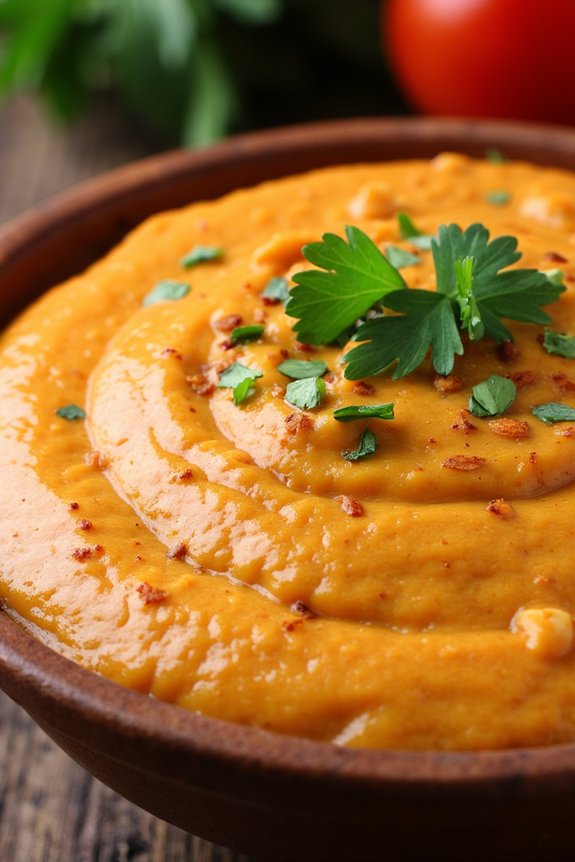
Salsa De Almendras, or Almond Sauce, is a traditional Spanish sauce with a rich, nutty flavor that pairs beautifully with meats, fish, and vegetables. Originating from the region of Andalusia, this sauce is a delightful blend of toasted almonds, garlic, and olive oil, often enhanced by the subtle acidity of sherry vinegar.
Whether used as a finishing touch or a dipping sauce, Salsa De Almendras adds a touch of elegance and depth to any dish. This recipe serves 4-6 people and is perfect for a family dinner or a small gathering with friends. The sauce can be made in advance and stored in the refrigerator, making it a convenient option for busy cooks. Its versatility allows it to complement a wide range of dishes, from grilled chicken to roasted vegetables, making it a staple in any cook’s repertoire.
Ingredients for Salsa De Almendras (serves 4-6):
- 1 cup blanched almonds
- 4 cloves garlic, peeled
- 1/4 cup extra virgin olive oil
- 1/4 cup dry sherry or white wine
- 2 tablespoons sherry vinegar
- 1/2 teaspoon smoked paprika
- 1/2 teaspoon salt
- 1/4 teaspoon black pepper
- 1/2 cup chicken or vegetable broth
- Fresh parsley for garnish
Cooking Instructions:
- Toast the Almonds: In a dry skillet over medium heat, add the blanched almonds. Stir frequently to guarantee even toasting until they’re golden brown and fragrant, about 5-7 minutes. Remove them from the skillet and let them cool slightly.
- Prepare the Garlic: In the same skillet, add the peeled garlic cloves and toast them until they’re lightly browned on all sides, about 2-3 minutes. This step will mellow the garlic’s sharpness.
- Blend the Ingredients: In a food processor, combine the toasted almonds and garlic. Pulse until the mixture is finely ground. Add the olive oil, dry sherry, sherry vinegar, smoked paprika, salt, and black pepper. Process until smooth.
- Adjust the Consistency: Gradually add the chicken or vegetable broth to the processor while blending, until the sauce reaches your desired consistency. It should be smooth and creamy but not too thick.
- Taste and Adjust Seasoning: Taste the sauce and adjust the seasoning if necessary, adding more salt or vinegar to balance the flavors.
- Serve: Transfer the Salsa De Almendras to a serving bowl. Garnish with freshly chopped parsley before serving with your chosen dish.
Extra Tips:
For the best flavor, use high-quality almonds and olive oil, as they’re the stars of the sauce. If you prefer a spicier kick, consider adding a pinch of cayenne pepper.
This sauce can be stored in an airtight container in the refrigerator for up to a week. If the sauce thickens upon chilling, simply whisk in a bit of water or broth to reach the desired consistency before serving.
Pisto Sauce
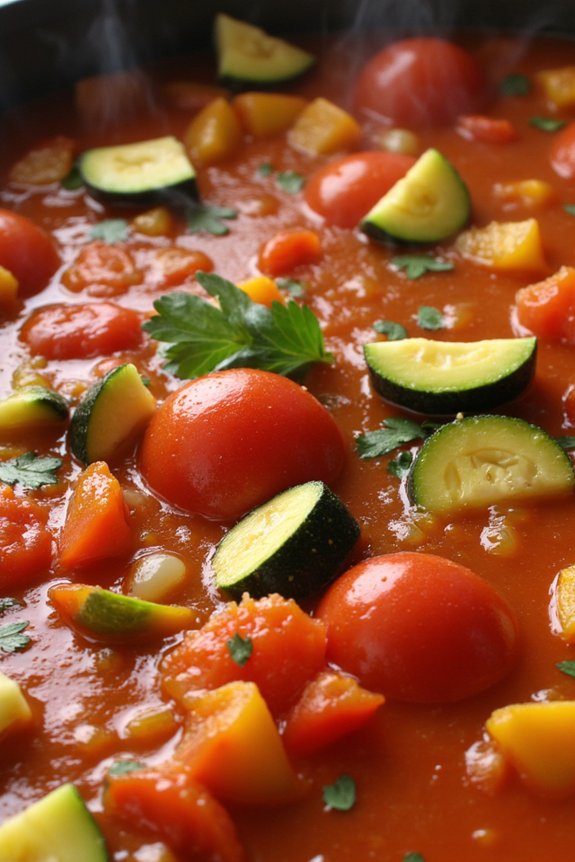
Pisto is a traditional Spanish vegetable sauce that hails from the region of La Mancha, known for its rich flavors and versatility. It’s often compared to the French ratatouille but has its own unique character that makes it an indispensable part of Spanish cuisine.
This delicious and hearty sauce is made by slowly simmering a variety of fresh vegetables such as tomatoes, peppers, and zucchini, all brought together with a touch of olive oil and seasoned with herbs. Pisto can be served as a side dish, a topping for meats and fish, or even as a main course with a fried egg on top.
The beauty of pisto lies in its simplicity and the way it allows the natural flavors of the vegetables to shine. It’s a perfect dish for utilizing fresh produce from your garden or local market. Traditionally, pisto is cooked slowly, allowing the vegetables to meld together and form a flavorful, chunky sauce.
This recipe will guide you through the steps to create a satisfying pisto sauce that serves 4-6 people, perfect for family meals or gatherings with friends.
Ingredients (serving size: 4-6 people):
- 4 tablespoons olive oil
- 1 large onion, chopped
- 2 cloves garlic, minced
- 2 medium green bell peppers, diced
- 1 medium red bell pepper, diced
- 2 medium zucchini, diced
- 4 medium ripe tomatoes, peeled and chopped
- 1 teaspoon salt
- 1/2 teaspoon black pepper
- 1 teaspoon paprika
- 1 teaspoon sugar
- 2 tablespoons tomato paste
- 1 bay leaf
- 1 tablespoon fresh parsley, chopped
Cooking Instructions:
- Prepare the Vegetables: Begin by washing all vegetables thoroughly. Peel the tomatoes by making a small cross on the bottom, boiling them for 30 seconds, then placing them in ice water to remove the skin easily. Chop the onion, mince the garlic, and dice the peppers and zucchini.
- Heat the Olive Oil: In a large skillet or heavy-bottomed pot, heat the olive oil over medium heat. Add the chopped onion and sauté for about 5 minutes until it becomes translucent.
- Add Garlic and Peppers: Stir in the minced garlic and diced bell peppers. Cook for an additional 5 minutes, stirring occasionally, until the peppers soften.
- Incorporate Zucchini and Tomatoes: Add the diced zucchini and peeled, chopped tomatoes to the mixture. Stir well to combine all the ingredients.
- Season the Sauce: Sprinkle in the salt, black pepper, and paprika. Add the sugar to balance the acidity of the tomatoes, and stir in the tomato paste for a richer flavor.
- Simmer with Bay Leaf: Drop in the bay leaf and reduce the heat to low. Cover the pot and let the sauce simmer gently for about 30-40 minutes. Stir occasionally to avoid sticking, allowing the flavors to meld together.
- Finish with Fresh Parsley: Once the sauce has thickened and the vegetables are tender, remove the bay leaf. Stir in the chopped fresh parsley for a burst of freshness.
- Serve and Enjoy: Serve the pisto sauce warm as a side dish, or top with a fried egg for a hearty main course.
Extra Tips:
For an authentic touch, consider using Spanish olive oil, which adds a distinctive flavor to the pisto. Feel free to customize the dish by adding other seasonal vegetables such as eggplant or mushrooms.
If you prefer a smoother texture, you can blend a portion of the sauce and mix it back in. Pisto can be made ahead of time and often tastes even better the next day, as the flavors continue to develop. Store it in an airtight container in the refrigerator for up to 3 days or freeze for later use.
