

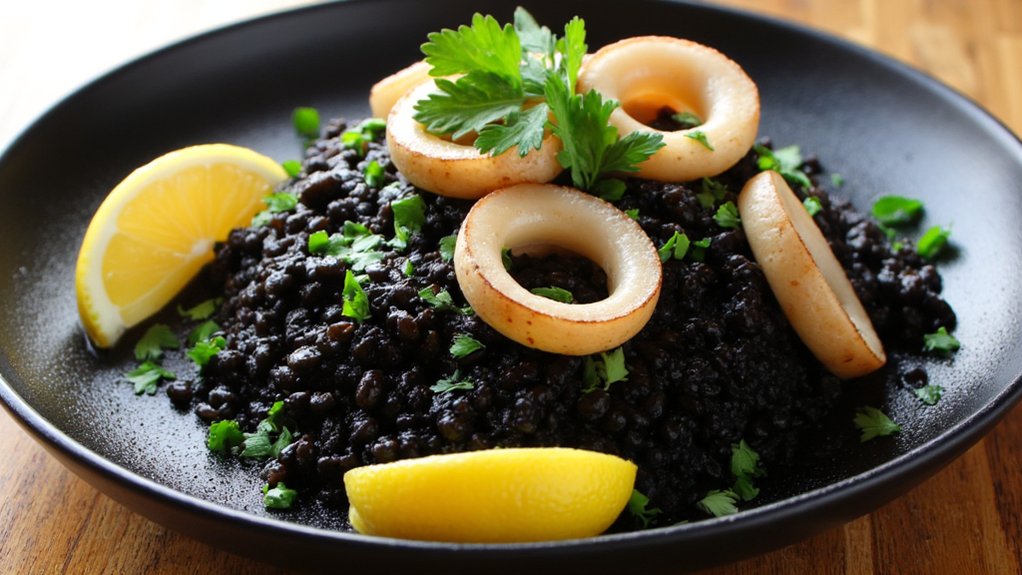
Are you ready to bring a taste of coastal Spain to your kitchen?
I’ve discovered 13 fresh Spanish seafood recipes that are perfect for adding a splash of Mediterranean flavor to your meals.
From the vibrant Paella de Marisco to the simple yet delicious Gambas Al Ajillo, each dish showcases the rich culinary heritage of the region.
Using high-quality ingredients and traditional techniques, these recipes are sure to transport you to sun-soaked shores.
Let’s explore these delightful dishes together!
Classic Paella De Marisco
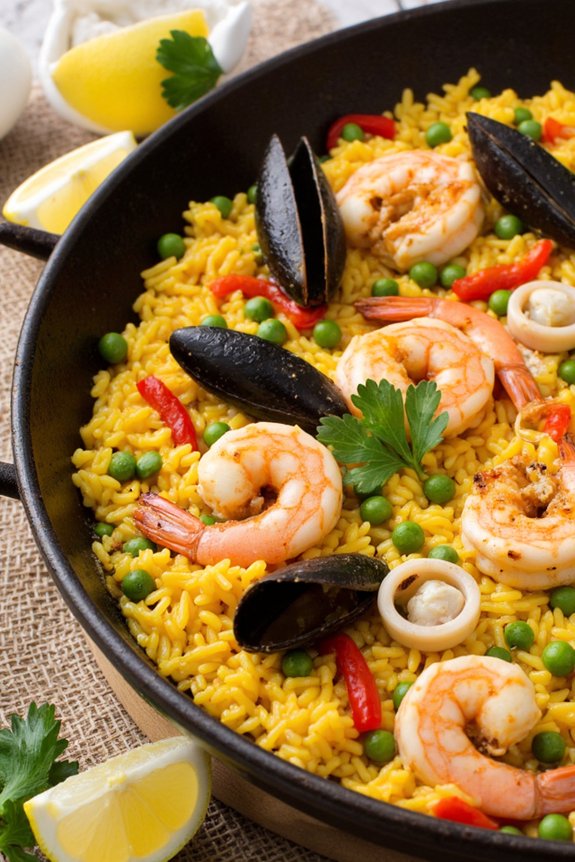
Classic Paella De Marisco is a quintessential Spanish seafood dish that hails from the coastal regions of Spain. A beautiful medley of fresh seafood, aromatic saffron-infused rice, and vibrant vegetables, this dish is a true celebration of flavors and colors. The essence of Paella De Marisco lies in its ability to bring together the bounty of the sea with the richness of traditional Spanish spices, creating a dish that’s as pleasing to the eye as it’s to the palate.
Whether you’re hosting a festive gathering or simply indulging in a culinary adventure, this paella is destined to transport you to the sun-drenched coasts of Spain with every bite.
The origins of Paella De Marisco trace back to Valencia, where it was first crafted by the fishermen who wanted to make use of their daily catch. Over time, this dish has evolved into a symbol of Spanish cuisine, loved by locals and tourists alike.
While the traditional recipe includes a variety of seafood such as shrimp, mussels, and squid, the beauty of paella lies in its adaptability. You can tailor it to your taste by adding different types of seafood or even incorporating chicken for a more varied flavor. Here, we’ve provided a classic recipe that serves 4-6 people, guaranteeing you have plenty to share with family and friends.
Ingredients (Serves 4-6):
- 2 cups of Bomba or Arborio rice
- 1 pound of shrimp, peeled and deveined
- 1 pound of mussels, scrubbed and debearded
- 1 pound of squid, cleaned and cut into rings
- 1 red bell pepper, diced
- 1 green bell pepper, diced
- 1 onion, finely chopped
- 4 cloves of garlic, minced
- 1/2 cup of peas
- 4 cups of fish stock
- 1 cup of white wine
- 2 tablespoons of olive oil
- 1 teaspoon of saffron threads
- 1 teaspoon of smoked paprika
- Salt and pepper to taste
- Lemon wedges for serving
- Fresh parsley, chopped, for garnish
Instructions:
- Prepare the Ingredients: Begin by gathering all your ingredients. Confirm all seafood is cleaned properly; peel and devein the shrimp, scrub the mussels, and clean the squid. Dice the bell peppers, chop the onion finely, and mince the garlic. Set these aside as you’ll need them ready for the cooking process.
- Infuse the Saffron: In a small bowl, combine the saffron threads with a few tablespoons of warm water. Allow them to steep while you prepare the rest of the ingredients. This will help release the vibrant color and unique flavor of the saffron.
- Cook the Aromatics: In a large paella pan or wide, shallow skillet, heat the olive oil over medium heat. Add the onions and garlic, sautéing until the onions become translucent and the garlic is fragrant, about 3-4 minutes.
- Add the Vegetables: Stir in the diced red and green bell peppers. Cook for an additional 5 minutes until the peppers start to soften. Then, add the peas and continue to cook for another 2 minutes.
- Toast the Rice: Add the rice to the pan, stirring well to coat each grain with the oil and aromatics. Toast the rice for about 2 minutes, which will help the grains absorb the flavors better.
- Pour in the Liquids: Add the white wine to the pan, allowing it to simmer until it has mostly evaporated. Then, pour in the fish stock and the saffron infusion, stirring gently to guarantee even distribution. Season the mixture with smoked paprika, salt, and pepper.
- Incorporate the Seafood: Arrange the shrimp, mussels, and squid over the rice mixture. Gently press the seafood into the rice without stirring too much. This will ensure even cooking and allow the flavors to meld.
- Simmer the Paella: Reduce the heat to low and let the paella simmer uncovered for about 20-25 minutes. Don’t stir; let the rice cook evenly and absorb the liquid. The edges should be slightly crisp, forming the prized socarrat.
- Rest and Serve: Once the liquid is absorbed and the seafood is cooked through, remove the pan from heat. Cover it with a clean kitchen towel and let it rest for 5 minutes. Garnish with fresh parsley and serve with lemon wedges on the side.
Extra Tips:
For an authentic touch, use a traditional paella pan to cook your dish, as its wide, shallow design helps in creating the perfect texture for the rice. If you don’t have saffron, you can substitute with a pinch of turmeric for color, though the flavor will differ.
Avoid over-stirring the rice once the liquid is added, as this allows the socarrat, the sought-after crusty bottom layer, to form. Finally, always use fresh, high-quality seafood to guarantee the best flavor and texture in your paella.
Gambas Al Ajillo (Garlic Shrimp)
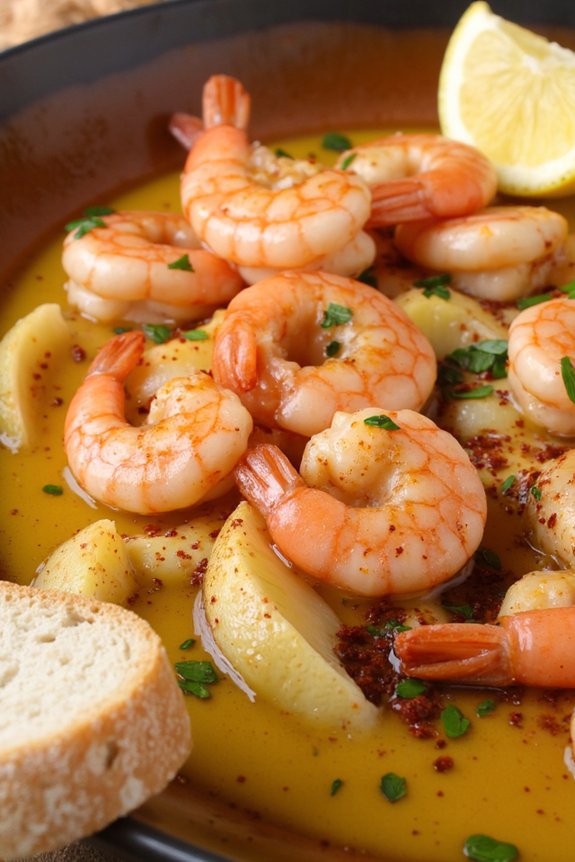
Gambas Al Ajillo, or Garlic Shrimp, is a classic Spanish tapas dish that’s both simple to prepare and incredibly flavorful. This dish captures the essence of Spanish cuisine with its use of fresh shrimp, garlic, and olive oil, accented by a touch of heat from red pepper flakes and the brightness of fresh parsley.
Traditionally served as an appetizer, Gambas Al Ajillo pairs perfectly with crusty bread, which is vital for soaking up the delicious garlic-infused oil. This dish isn’t only a staple in Spanish homes but also a popular offering in tapas bars across Spain, making it a beloved culinary experience for seafood lovers.
The beauty of Gambas Al Ajillo lies in its simplicity and the quality of its ingredients. The shrimp, ideally fresh and plump, are quickly sautéed in a generous amount of olive oil, allowing them to absorb the rich flavors of garlic and spices.
This quick cooking method guarantees the shrimp remain tender and juicy. A sprinkle of fresh parsley adds color and a subtle herbal note, while a squeeze of lemon juice just before serving adds a revitalizing tang that perfectly balances the richness of the dish.
Whether you’re hosting a dinner party or simply craving a taste of Spain, this recipe will transport you to the vibrant streets of Madrid or Barcelona with every bite.
Ingredients for 4-6 servings:
- 1 pound (450g) of large shrimp, peeled and deveined
- 1/4 cup (60ml) of extra virgin olive oil
- 6 cloves of garlic, thinly sliced
- 1 teaspoon of red pepper flakes
- Salt, to taste
- Freshly ground black pepper, to taste
- 2 tablespoons of fresh parsley, chopped
- 1 lemon, cut into wedges
- Crusty bread, for serving
Cooking Instructions:
- Prepare the Shrimp: Start by rinsing the shrimp under cold water, then pat them dry with paper towels. Make sure they’re completely dry to avoid splattering when added to hot oil.
- Heat the Oil: In a large skillet or frying pan, heat the olive oil over medium heat. Once the oil is shimmering, add the sliced garlic and red pepper flakes. Sauté for about 1-2 minutes, until the garlic is golden and fragrant, being careful not to burn it.
- Cook the Shrimp: Increase the heat to medium-high and add the shrimp to the pan in a single layer. Season with salt and freshly ground black pepper. Cook the shrimp for about 2-3 minutes on each side, or until they turn pink and opaque.
- Finish with Parsley and Lemon: Remove the skillet from the heat and sprinkle the chopped parsley over the shrimp. Toss everything together to make sure the shrimp are well coated with the garlic oil and parsley. Serve immediately with lemon wedges on the side for squeezing over the shrimp.
- Serve with Bread: Transfer the shrimp and garlic oil to a serving dish. Serve with slices of crusty bread to dip into the flavorful oil.
Extra Tips:
For the best results, use high-quality extra virgin olive oil, as it’s a fundamental component of the dish. If you prefer a milder garlic flavor, you can reduce the amount of garlic used.
Additionally, if you like a bit more heat, feel free to increase the amount of red pepper flakes. It’s important not to overcook the shrimp, as they can become rubbery; they should be just cooked through and tender.
Finally, always have plenty of bread on hand to enjoy every last drop of the delicious garlic-infused oil.
Pulpo a La Gallega (Galician Octopus)
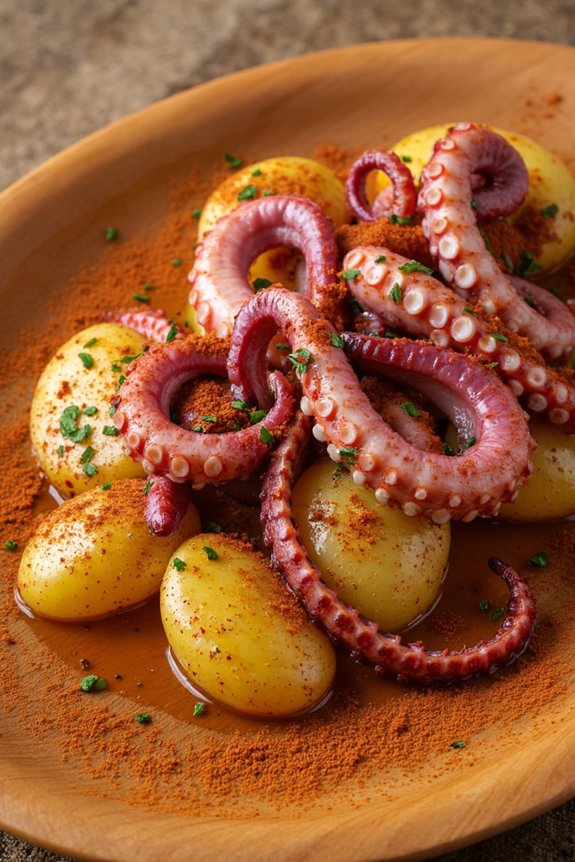
Pulpo a La Gallega, also known as Galician Octopus, is a classic dish from the Galicia region of Spain. This simple yet flavorful dish showcases the tender texture of octopus, seasoned with olive oil and paprika, and served atop a bed of sliced potatoes. Traditionally, this dish is served as a tapa, but it can also be enjoyed as a main course. The key to making Pulpo a La Gallega is to guarantee that the octopus is cooked to perfection, resulting in a tender and juicy bite that pairs beautifully with the earthy flavors of the olive oil and paprika.
Originating from the northwest coast of Spain, Pulpo a La Gallega captures the essence of Galician cuisine, which heavily focuses on fresh seafood and simple preparations that highlight natural flavors. The dish is often served on a wooden platter, which enhances its rustic appeal. While the preparation may seem straightforward, achieving the perfect texture for the octopus requires careful attention to cooking times and techniques. Perfect for a small gathering, this recipe serves 4-6 people, providing a delightful taste of Spain’s coastal culinary heritage.
Ingredients (serving size: 4-6 people):
- 1 large octopus (approximately 2-3 pounds)
- 2 bay leaves
- 2 tablespoons of salt
- 3 large potatoes
- 1/4 cup extra virgin olive oil
- 2 teaspoons sweet paprika
- 1 teaspoon smoked paprika
- Coarse sea salt to taste
- Fresh parsley for garnish (optional)
Cooking Instructions:
- Prepare the Octopus: Begin by cleaning the octopus under cold running water. Remove the beak and eyes if they aren’t already removed. Ascertain the octopus is thoroughly rinsed to remove any residual sand or debris.
- Cooking the Octopus: Fill a large pot with water, add the bay leaves and salt, and bring it to a boil. Once boiling, submerge the octopus in the water three times (this is known as “scaring” the octopus), which helps to tenderize it. Finally, leave the octopus in the pot, cover, and simmer for about 45-60 minutes, or until the octopus is tender when pierced with a fork.
- Prepare the Potatoes: While the octopus is cooking, peel the potatoes and slice them into thick rounds, about 1/2 inch thick. In a separate pot, boil the potatoes with a pinch of salt until just tender, approximately 15-20 minutes. Drain and set aside.
- Assemble the Dish: Once the octopus is cooked, remove it from the pot and let it cool slightly. Cut the tentacles into bite-sized pieces. Arrange the potato slices on a serving platter or wooden board.
- Season and Serve: Place the octopus pieces over the potatoes. Drizzle the extra virgin olive oil generously over the dish. Sprinkle the sweet and smoked paprika evenly over the octopus and potatoes, followed by a sprinkle of coarse sea salt. Optionally, garnish with freshly chopped parsley for a touch of color.
- Final Touches: Serve the dish warm, accompanied by crusty bread to soak up the flavorful olive oil and spices.
Extra Tips:
When cooking Pulpo a La Gallega, using a fresh octopus will yield the best results regarding flavor and texture. If you’re working with a frozen octopus, confirm it’s thoroughly thawed before beginning the recipe. Freezing the octopus actually aids in tenderizing it, making it a viable option if fresh octopus isn’t available.
Additionally, avoid overcooking the octopus, as this can lead to a rubbery texture. The potatoes should be cooked just until tender to hold their shape and provide a nice base for the octopus. Finally, for an authentic touch, serve the dish on a wooden platter, as traditionally done in Galicia, to enhance the rustic presentation.
Bacalao a La Vizcaína (Basque-Style Cod)
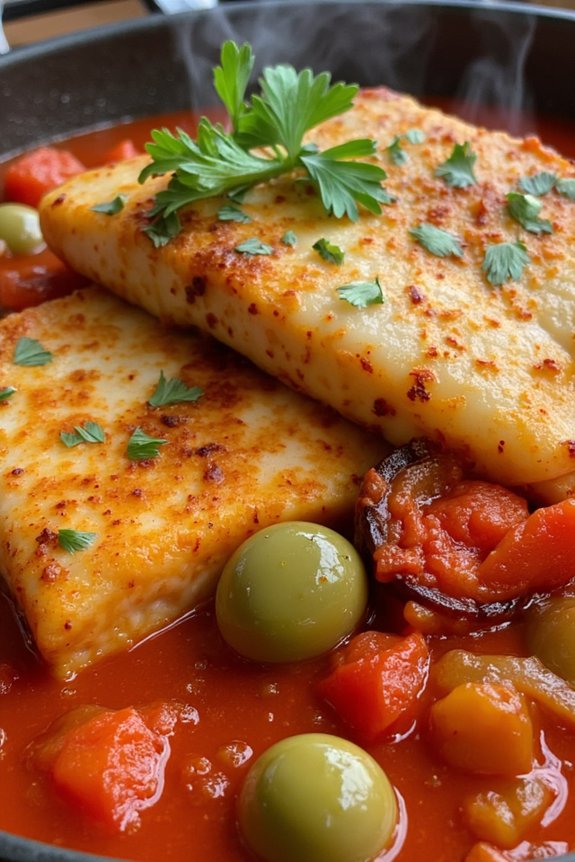
Bacalao a La Vizcaína, or Basque-Style Cod, is a traditional Spanish dish that perfectly captures the rich flavors of the Basque region. The dish features tender salted cod simmered in a vibrant, savory sauce made from tomatoes, peppers, and onions. This combination creates a harmonious balance of flavors that’s both comforting and elegant. The use of salted cod, or bacalao, is a hallmark of many Spanish seafood recipes, offering a unique texture and taste that’s truly distinctive.
Preparing Bacalao a La Vizcaína requires some advance planning due to the desalting process of the cod, but the result is well worth the effort. The sauce is the heart of this dish, blending the sweet and smoky flavors of roasted peppers with the acidity of tomatoes and the aromatic depth of onions and garlic.
When served, the dish is often accompanied by crusty bread, which is perfect for soaking up the delicious sauce. Whether for a family meal or a special occasion, Bacalao a La Vizcaína is sure to impress with its authentic Spanish taste.
Ingredients (Serves 4-6):
- 2 pounds salted cod (bacalao)
- 1/4 cup olive oil
- 2 large onions, thinly sliced
- 4 cloves garlic, minced
- 2 red bell peppers, roasted, peeled, and sliced
- 2 cups tomato puree
- 1 teaspoon sweet paprika
- 1 bay leaf
- 1/2 cup pitted green olives
- Salt and pepper to taste
- Fresh parsley, chopped (for garnish)
Cooking Instructions:
- Desalt the Cod: Soak the salted cod in a large bowl of cold water for 24 to 48 hours, changing the water every 8 hours. This process removes excess salt and rehydrates the fish.
- Prepare the Sauce: In a large skillet, heat olive oil over medium heat. Add the sliced onions and sauté until they become translucent, about 5-7 minutes. Add the minced garlic and cook for an additional 1-2 minutes.
- Add Peppers and Tomatoes: Stir in the roasted red bell peppers and tomato puree. Cook the mixture for about 10 minutes, allowing the flavors to meld together.
- Season the Sauce: Add the sweet paprika, bay leaf, and season with salt and pepper to taste. Allow the sauce to simmer gently for another 10 minutes, stirring occasionally.
- Cook the Cod: Remove the cod from the water and pat it dry with paper towels. Cut the cod into serving-sized pieces and add them to the sauce. Cover the skillet and simmer for 15-20 minutes, or until the fish is opaque and flakes easily with a fork.
- Finish the Dish: Add the pitted green olives to the skillet and stir gently to combine. Cook for an additional 5 minutes to heat through.
- Garnish and Serve: Remove the bay leaf. Garnish the Bacalao a La Vizcaína with freshly chopped parsley before serving. Serve hot with crusty bread on the side.
Extra Tips:
When desalting the cod, make sure it’s fully submerged in water, and remember to change the water regularly to effectively remove the salt. If possible, taste the cod after desalting to make certain the saltiness is to your liking before proceeding with the rest of the recipe.
For added depth of flavor, try using a mix of sweet and smoked paprika in the sauce. If you prefer a thicker sauce, let it simmer a bit longer to reduce before adding the cod. Finally, Bacalao a La Vizcaína tastes even better the next day, making it an excellent dish to prepare in advance.
Chipirones En Su Tinta (Squid in Its Ink)
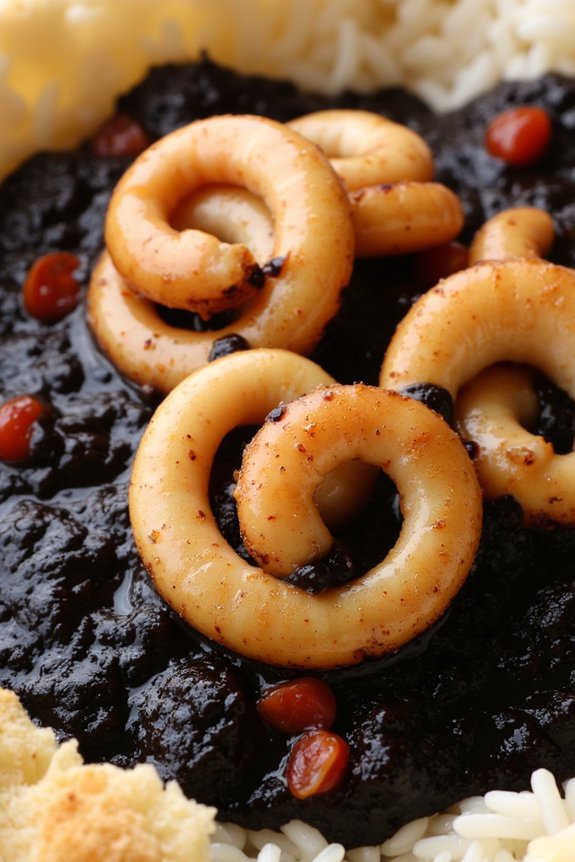
Chipirones En Su Tinta, or Squid in Its Ink, is a traditional Spanish dish that showcases the rich and deep flavors of the sea. This dish is notable for its use of squid ink, which imparts a unique color and taste to the dish. Often enjoyed as a tapa or a main course, Chipirones En Su Tinta is a culinary delight that captures the essence of Spanish coastal cuisine. The dish is typically served with crusty bread or over a bed of rice, allowing the savory sauce to be fully appreciated.
The preparation of this dish is relatively simple but requires fresh and high-quality ingredients to truly shine. Squid is the star of the show, and it’s essential to clean the squid properly while reserving the ink sacs, as the ink is a key ingredient. The sauce is a blend of tomatoes, onions, garlic, and the signature ink, creating a rich and flavorful base for the tender squid. This recipe will guide you through the process of making this enticing dish, perfect for serving 4-6 people.
Ingredients:
- 1.5 kg of fresh squid (with ink sacs)
- 2 large onions, finely chopped
- 3 cloves of garlic, minced
- 2 ripe tomatoes, peeled and chopped
- 1/2 cup dry white wine
- 1 bay leaf
- 3 tablespoons olive oil
- Salt and pepper to taste
- 1 teaspoon sugar
- Crusty bread or cooked rice for serving
Instructions:
- Clean the Squid: Begin by cleaning the squid. Remove the tentacles and head from the body, and set aside the ink sacs. Peel off the outer skin and clear the insides, making sure the squid tubes are thoroughly cleaned. Cut the squid tubes into rings and chop the tentacles if desired.
- Prepare the Ink: Carefully open the reserved ink sacs over a small bowl and mix the ink with a little water to create a smooth paste. Set this aside for later use.
- Cook the Onions and Garlic: In a large pan, heat the olive oil over medium heat. Add the chopped onions and minced garlic, and sauté until the onions turn translucent and the garlic is fragrant, about 5 minutes.
- Add Tomatoes and Wine: Stir in the chopped tomatoes, and cook until they begin to break down. Add the dry white wine, bay leaf, salt, pepper, and sugar, and let the mixture simmer for about 10 minutes, allowing the flavors to meld.
- Incorporate the Squid: Add the cleaned squid rings and tentacles to the pan. Stir well to coat the squid in the tomato mixture. Cover the pan and let it cook for about 20 minutes over low heat, stirring occasionally.
- Add the Ink: Gently stir in the squid ink paste, mixing until the sauce turns a deep, rich black. Allow the dish to simmer for another 5 minutes, enabling the ink to infuse into the sauce.
- Adjust Seasoning: Taste the dish and adjust the seasoning with additional salt and pepper if needed. If the sauce is too thick, add a splash of water or more wine to reach your desired consistency.
- Serve: Dish up the Chipirones En Su Tinta, garnishing with fresh parsley if desired. Serve immediately with crusty bread or over a bed of rice to soak up the flavorful sauce.
Extra Tips: When preparing Chipirones En Su Tinta, it’s essential to handle the squid ink carefully to avoid staining. Wear gloves if necessary, and clean any spills immediately. Freshness is key for this dish; always use the freshest squid available to guarantee the best flavor and texture. If fresh ink sacs are unavailable, packaged squid ink can be used as a substitute.
Also, take care not to overcook the squid, as it can become rubbery. The squid should be tender and flavorful, perfectly absorbing the rich sauce.
Zarzuela De Mariscos (Seafood Stew)
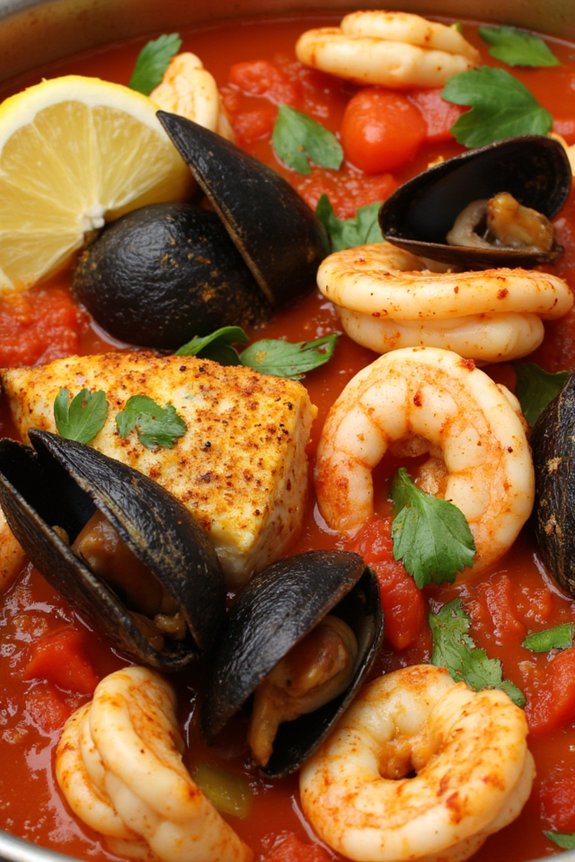
Zarzuela De Mariscos, also known as Spanish Seafood Stew, is a rich and flavorful dish that captures the essence of Mediterranean cuisine. This traditional Spanish recipe showcases a variety of seafood, all simmered in a fragrant tomato-based broth with aromatic spices.
Often enjoyed as a main course, this stew is perfect for gatherings and special occasions, offering a taste of the sea with every spoonful. The combination of fresh seafood and robust seasonings creates a symphony of flavors that will transport you to the sunny coasts of Spain.
Preparing Zarzuela De Mariscos requires a selection of fresh seafood, including mussels, shrimp, and fish, combined with a medley of vegetables and spices. The stew is deeply satisfying and indulgent, with each ingredient contributing to its complex and hearty flavor profile.
The dish is typically served with crusty bread or over rice, allowing you to savor every drop of the delicious broth. With a preparation time of about an hour, this dish is both impressive and approachable, making it a must-try for seafood lovers.
Ingredients for 4-6 servings:
- 1 pound mussels, cleaned and debearded
- 1 pound shrimp, peeled and deveined
- 1 pound white fish fillets (such as cod or halibut), cut into chunks
- 1/2 pound calamari, cleaned and sliced into rings
- 1/4 cup olive oil
- 1 large onion, finely chopped
- 3 garlic cloves, minced
- 1 red bell pepper, diced
- 1 green bell pepper, diced
- 1 cup tomatoes, chopped
- 1 cup fish stock
- 1/2 cup dry white wine
- 1 teaspoon smoked paprika
- 1/2 teaspoon saffron threads
- Salt and pepper to taste
- Fresh parsley, chopped, for garnish
- Lemon wedges, for serving
Cooking Instructions:
- Prepare the Seafood: Begin by thoroughly cleaning the mussels, making certain they’re debearded and free of debris. Rinse the shrimp under cold water, peel, and devein them. Cut the white fish into bite-sized chunks, and clean and slice the calamari into rings.
- Sauté the Aromatics: In a large pot or Dutch oven, heat the olive oil over medium heat. Add the chopped onion and sauté until it becomes translucent, about 5 minutes. Stir in the minced garlic and cook for another minute until fragrant.
- Cook the Vegetables: Add the diced red and green bell peppers to the pot. Cook for 3-4 minutes until the peppers soften, stirring occasionally to prevent sticking.
- Add Tomatoes and Spices: Stir in the chopped tomatoes, smoked paprika, and saffron threads. Let the mixture cook for another 5 minutes, allowing the tomatoes to break down and the spices to release their flavors.
- Deglaze the Pot: Pour in the dry white wine and increase the heat to high. Allow the wine to simmer for 2-3 minutes, scraping the bottom of the pot to release any flavorful bits.
- Simmer the Broth: Add the fish stock to the pot and bring the mixture to a gentle simmer. Season with salt and pepper to taste. Let the broth simmer for 10 minutes to allow the flavors to meld together.
- Cook the Seafood: Add the mussels, shrimp, fish chunks, and calamari to the pot. Cover and cook for 5-7 minutes, or until the seafood is fully cooked and the mussels have opened. Discard any mussels that don’t open.
- Garnish and Serve: Remove the pot from heat and sprinkle fresh parsley over the stew. Serve hot with lemon wedges on the side for squeezing over the top. Pair with crusty bread or rice to soak up the flavorful broth.
Extra Tips:
When preparing Zarzuela De Mariscos, make certain you use the freshest seafood available to enhance the flavor of the dish. If saffron is unavailable, a pinch of turmeric can be used as a substitute for color, though the flavor will differ slightly.
When cooking the seafood, be careful not to overcook it, as it can become rubbery. Mussels should be tightly closed before cooking; discard any that don’t open after cooking, as they may not be safe to eat.
Adjust the seasoning to your preference, and feel free to experiment with other seafood varieties such as clams or scallops to customize the stew to your liking.
Fideuà (Seafood Noodle Paella)
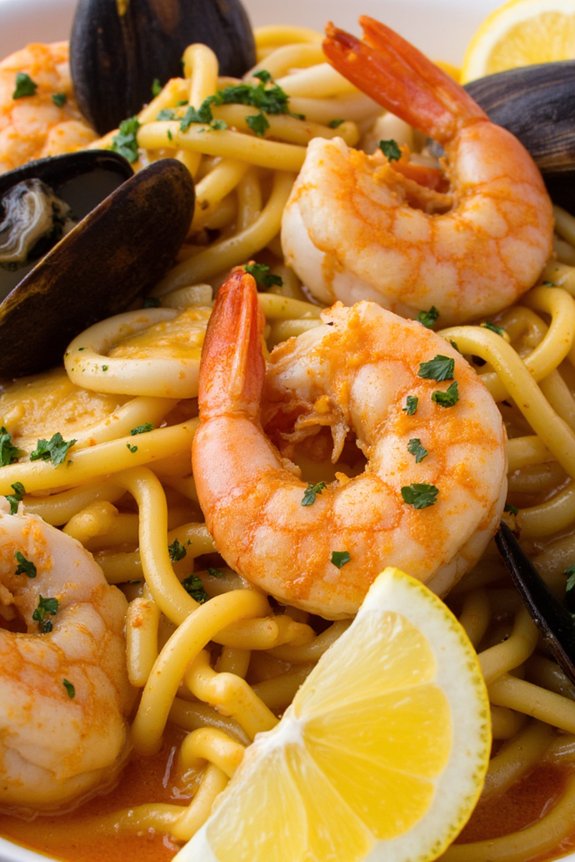
Traditionally, Fideuà is prepared using fresh ingredients like shrimp, calamari, and mussels, along with a well-seasoned fish broth. It’s a communal dish often enjoyed during family gatherings or festive occasions. The key to a perfect Fideuà is achieving the right balance of flavors, ensuring that the noodles are infused with the essence of the seafood and spices. This recipe serves 4-6 people, making it ideal for sharing with family and friends.
Ingredients (Serves 4-6):
- 400g fideuà noodles or thin spaghetti
- 200g shrimp, peeled and deveined
- 200g calamari, cleaned and cut into rings
- 200g mussels, cleaned
- 1 large onion, finely chopped
- 2 cloves garlic, minced
- 1 red bell pepper, diced
- 2 ripe tomatoes, grated
- 1 teaspoon smoked paprika
- 1 pinch saffron threads
- 1.5 liters fish or seafood stock
- 4 tablespoons olive oil
- Salt and pepper to taste
- Fresh parsley, chopped, for garnish
- Lemon wedges, for serving
Instructions:
- Prepare the Seafood: Begin by cleaning the mussels thoroughly, ensuring they’re free of any grit or beards. Peel and devein the shrimp, and clean and slice the calamari into rings. Set the seafood aside.
- Sauté the Aromatics: In a large paella pan or wide, shallow skillet, heat the olive oil over medium heat. Add the finely chopped onion and cook until translucent. Stir in the minced garlic and diced red bell pepper, continuing to sauté until the vegetables are soft and aromatic.
- Cook the Tomatoes: Add the grated tomatoes to the pan, stirring well to combine with the sautéed vegetables. Cook until the tomatoes have reduced and formed a thick sauce.
- Season the Base: Stir in the smoked paprika and saffron threads, allowing them to bloom in the oil and release their flavors. Season with salt and pepper to taste.
- Add the Noodles: Pour in the fideuà noodles, stirring to coat them with the tomato mixture. Allow the noodles to toast slightly, absorbing the flavors of the aromatics and spices.
- Simmer the Stock: Gradually add the fish or seafood stock to the pan, ensuring the noodles are fully submerged. Bring the mixture to a simmer and cook until the noodles are tender, about 10-12 minutes.
- Cook the Seafood: Once the noodles are nearly cooked, add the shrimp, calamari, and mussels to the pan. Cover and cook until the seafood is fully cooked and the mussels have opened, approximately 5 minutes.
- Finish and Serve: Remove the pan from heat and let the Fideuà rest for a few minutes. Garnish with freshly chopped parsley and serve with lemon wedges on the side.
Extra Tips:
When making Fideuà, it’s important to use a high-quality fish or seafood stock to enhance the flavor of the dish. If you can’t find fideuà noodles, broken thin spaghetti works as a good substitute.
Be sure to toast the noodles slightly before adding the stock to prevent them from becoming mushy. Adjust the seasoning to your taste, and remember that the saffron and smoked paprika are key to achieving the authentic flavor profile of this traditional dish.
Almejas a La Marinera (Sailor-Style Clams)
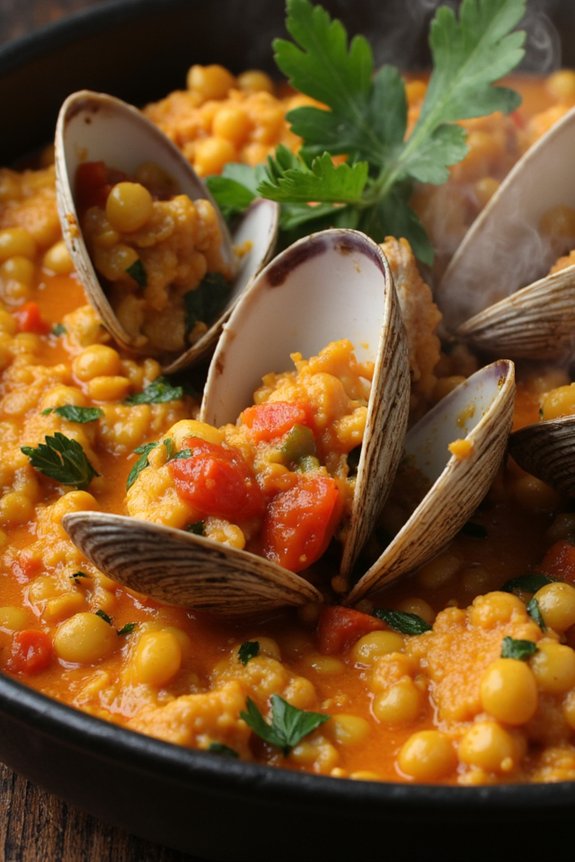
Almejas a La Marinera, or Sailor-Style Clams, is a classic Spanish seafood dish that captures the essence of the sea with its blend of fresh clams, aromatic herbs, and a rich, savory sauce.
Originating from the coastal regions of Spain, this dish is beloved for its simplicity and the way it allows the natural flavors of the clams to shine through. Perfect for a light lunch or as an appetizer, Almejas a La Marinera is typically enjoyed with crusty bread to soak up the delicious sauce.
To prepare Almejas a La Marinera for 4-6 people, you’ll be using fresh clams that are steamed to perfection and then bathed in a sauce made with white wine, garlic, and tomatoes. The combination of these ingredients not only highlights the sweetness of the clams but also brings a hint of acidity and warmth, creating a dish that’s both elegant and comforting.
Serve this up at your next gathering, and it’s sure to be a hit among seafood lovers.
Ingredients for 4-6 Servings:
- 2 kg fresh clams
- 4 tablespoons olive oil
- 1 large onion, finely chopped
- 4 garlic cloves, minced
- 1 bay leaf
- 1 teaspoon sweet paprika
- 1/4 teaspoon cayenne pepper (optional)
- 1/2 cup dry white wine
- 1 cup fish stock or clam juice
- 2 large tomatoes, peeled and chopped
- Salt and freshly ground black pepper to taste
- 2 tablespoons chopped fresh parsley
- Lemon wedges, for serving
Cooking Instructions:
- Clean the Clams: Begin by placing the clams in a bowl filled with cold water and a bit of salt. Let them sit for about 20 minutes to expel any sand. Rinse them well under cold running water, discarding any that are open and don’t close when tapped.
- Prepare the Sauce Base: In a large pot, heat the olive oil over medium heat. Add the chopped onion and garlic, sautéing until the onion becomes translucent and the garlic is fragrant.
- Add Seasonings: Stir in the bay leaf, sweet paprika, and cayenne pepper if using. Continue to cook for another minute to allow the spices to release their flavors.
- Incorporate Liquids: Pour in the white wine and increase the heat to bring it to a boil. Allow the wine to reduce by half, then add the fish stock or clam juice along with the chopped tomatoes. Season with salt and pepper to taste.
- Cook the Clams: Add the cleaned clams to the pot, cover, and cook over medium-high heat until the clams open, about 5 to 7 minutes. Discard any clams that don’t open.
- Finalize and Serve: Once the clams are cooked, remove from heat and sprinkle with chopped parsley. Serve immediately with lemon wedges on the side for squeezing over the clams.
Extra Tips:
When preparing Almejas a La Marinera, it’s important to use the freshest clams possible to guarantee the best flavor.
Additionally, be mindful of the salt content as the clams and stock can be salty on their own. Adjust the seasoning at the end of cooking to avoid over-salting.
For an extra depth of flavor, consider adding a pinch of saffron to the sauce, which will impart a subtle, earthy aroma and a beautiful golden hue to the dish. Enjoy with a chilled glass of Albariño or any other crisp white wine for a true Spanish experience.
Calamares a La Romana (Fried Calamari)
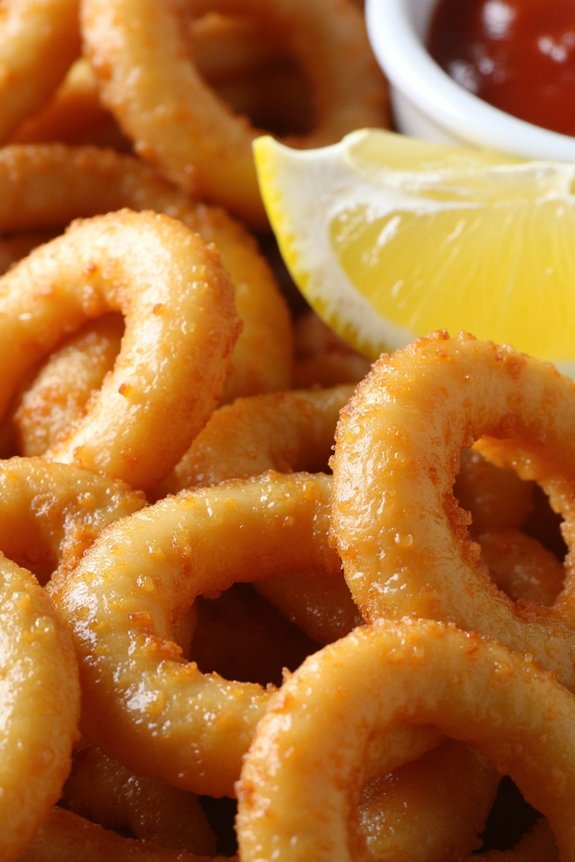
Calamares a La Romana, or Fried Calamari, is a classic Spanish tapa that’s perfect for any seafood lover. This dish consists of tender squid rings lightly coated in a seasoned flour mixture, then fried until golden and crispy. It’s a simple yet delicious recipe that can be served as an appetizer or a main course. The key to achieving the perfect texture lies in the freshness of the squid and the temperature of the oil.
Originating from the coastal areas of Spain, Calamares a La Romana is a staple in Spanish cuisine and a favorite in tapas bars across the country. The dish is often accompanied by a wedge of lemon and sometimes served with a side of aioli or marinara sauce for dipping. With its crunchy exterior and juicy interior, fried calamari is an irresistible treat that captures the essence of Spanish seafood.
Ingredients for Serving Size of 4-6:
- 1 kg fresh squid (cleaned and cut into rings)
- 1 cup all-purpose flour
- 1/2 cup cornstarch
- 1 teaspoon salt
- 1/2 teaspoon black pepper
- 1/2 teaspoon paprika
- Vegetable oil (for frying)
- Lemon wedges (for serving)
- Aioli or marinara sauce (optional, for dipping)
Cooking Instructions:
- Prepare the Squid: Begin by cleaning the squid. Remove the head, innards, and outer membrane. Cut the cleaned squid into 1/2-inch thick rings and pat them dry with paper towels to remove excess moisture.
- Mix the Coating: In a large bowl, combine the all-purpose flour, cornstarch, salt, black pepper, and paprika. Mix well to guarantee the seasonings are evenly distributed throughout the flour mixture.
- Coat the Squid: Dredge the squid rings in the flour mixture, making sure each piece is thoroughly coated. Shake off any excess flour and lay the coated squid on a tray or plate.
- Heat the Oil: Pour vegetable oil into a deep frying pan or pot, filling it about 1/3 full. Heat the oil to 180°C (350°F). Use a thermometer to check the temperature, as precise heat is vital for perfect frying.
- Fry the Squid: Carefully add the squid rings to the hot oil in small batches, ensuring not to overcrowd the pan. Fry for 2-3 minutes or until golden brown and crispy. Use a slotted spoon to remove the calamari from the oil and place them on paper towels to drain excess oil.
- Serve: Arrange the fried calamari on a serving platter. Garnish with lemon wedges and serve immediately while hot. Offer aioli or marinara sauce on the side for dipping if desired.
Extra Tips:
For the best results, use fresh squid instead of frozen, as it tends to be more tender. Guarantee the squid is completely dry before coating to avoid sogginess.
Adjust the amount of paprika to your taste preference if you prefer a spicier kick. Additionally, maintaining the oil temperature is vital; if it’s too low, the calamari will absorb more oil and become greasy, while too high can lead to burning.
Finally, remember to serve the calamari immediately to enjoy its full crispiness.
Atún a La Plancha (Grilled Tuna)
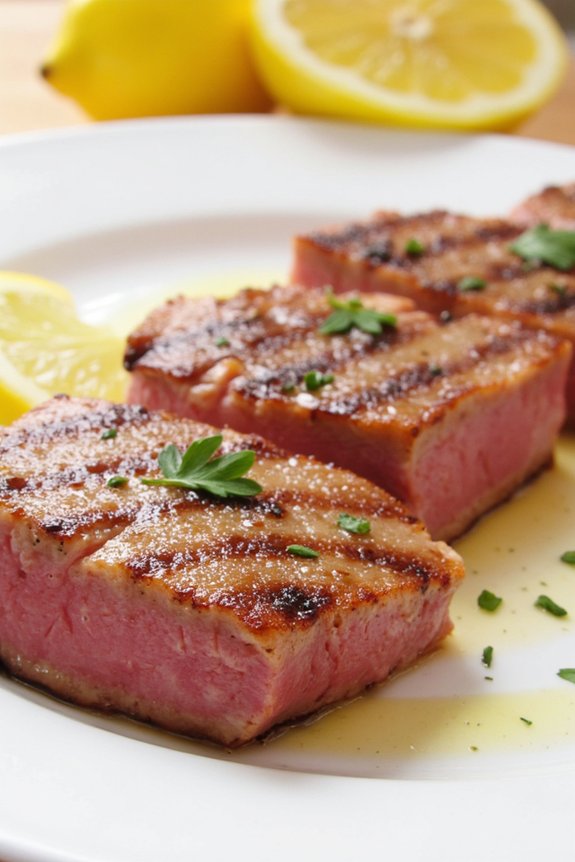
Grilled tuna is a versatile dish that can be prepared in a matter of minutes, making it an ideal choice for both weeknight dinners and special occasions. The key to a successful Atún a La Plancha lies in choosing high-quality tuna steaks and marinating them briefly to enhance their flavor without overpowering their natural taste.
By following this recipe, you’ll create a dish that isn’t only delicious but also visually appealing, with each piece of tuna boasting beautiful grill marks and a vibrant color.
Ingredients for 4-6 people:
- 4-6 tuna steaks (approximately 6 ounces each)
- 4 tablespoons olive oil
- 2 tablespoons lemon juice
- 2 garlic cloves, minced
- 1 teaspoon paprika
- 1 teaspoon salt
- 1/2 teaspoon black pepper
- Fresh parsley, chopped (for garnish)
Cooking Instructions:
- Prepare the Marinade: In a small bowl, combine the olive oil, lemon juice, minced garlic, paprika, salt, and black pepper. Mix well until all ingredients are fully incorporated, creating a smooth marinade.
- Marinate the Tuna: Place the tuna steaks in a shallow dish or a resealable plastic bag. Pour the marinade over the tuna, making certain each steak is well-coated. Let the tuna marinate for about 15-30 minutes at room temperature, allowing the flavors to penetrate the fish.
- Preheat the Grill: While the tuna is marinating, preheat your grill to medium-high heat. If using a grill pan, make sure it’s hot enough to sear the fish but not so hot that it burns the marinade.
- Grill the Tuna: Remove the tuna steaks from the marinade and shake off any excess liquid. Place the steaks on the preheated grill or grill pan. Cook for about 2-3 minutes on each side, or until the outside is seared and the inside is cooked to your desired level of doneness. Avoid overcooking to guarantee the tuna remains moist.
- Serve: Once grilled, remove the tuna steaks from the heat and let them rest for a couple of minutes. Transfer to a serving platter, garnish with freshly chopped parsley, and serve immediately.
Extra Tips:
When grilling tuna, it’s important to keep an eye on the cooking time, as tuna can easily become dry if overcooked. Aim for a medium-rare finish to keep the fish moist and flavorful.
If you prefer your tuna more well-done, adjust the grilling time accordingly but be cautious not to dry it out. Additionally, you can experiment with different herbs or spices in the marinade to suit your personal taste preferences.
Finally, always use fresh, high-quality tuna for the best results, and make sure to pat the steaks dry before marinating to help the marinade adhere better.
Suquet De Peix (Catalan Fish Stew)
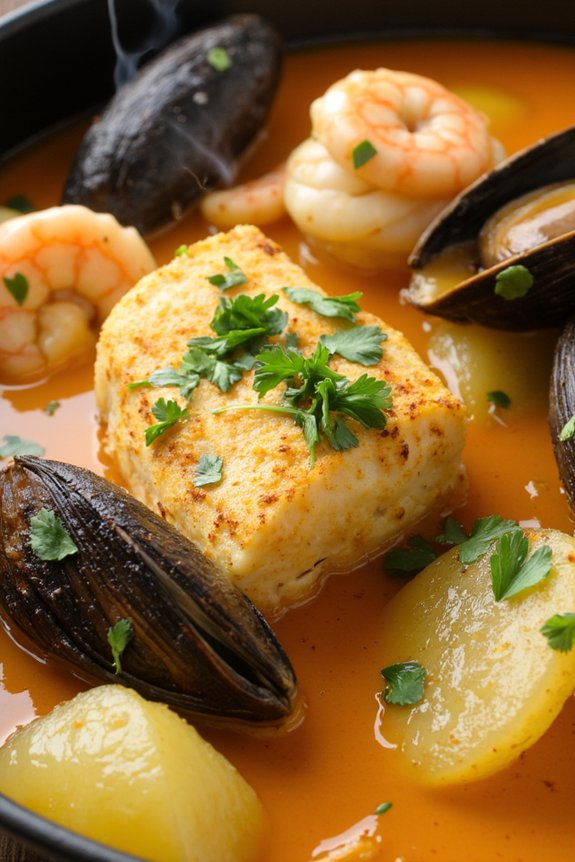
Suquet De Peix, a traditional Catalan fish stew, is a rich and flavorful dish that beautifully showcases the bounty of the sea. Originating in the Catalonia region of Spain, this dish was traditionally made by fishermen using whatever fresh catch they’d on hand. Today, it remains a popular choice for seafood lovers, offering a hearty and satisfying meal that’s both rustic and refined.
The key to a great Suquet De Peix lies in its slow-simmered, aromatic broth that absorbs the essence of the sea and melds seamlessly with tender chunks of fish and shellfish.
This recipe for Suquet De Peix serves 4-6 people, making it perfect for a family dinner or a small gathering. The stew combines a variety of seafood with tomatoes, potatoes, and a hint of saffron, resulting in a dish that’s both nourishing and bursting with flavor.
The sofrito, a traditional Spanish base made with onions, garlic, and tomatoes, adds depth to the stew, while a touch of picada—a paste made from almonds and bread—adds texture and richness. Follow these instructions to create a memorable and authentic Catalan seafood experience.
Ingredients (serving size: 4-6 people):
- 2 tablespoons olive oil
- 1 large onion, finely chopped
- 4 garlic cloves, minced
- 2 ripe tomatoes, grated
- 1 teaspoon paprika
- 1/4 teaspoon saffron threads
- 1 cup fish stock or water
- 1 pound white fish (such as monkfish or cod), cut into chunks
- 8 large shrimp, peeled and deveined
- 8 mussels, cleaned and debearded
- 4 medium potatoes, peeled and sliced
- Salt and pepper to taste
- 2 tablespoons chopped fresh parsley
- For the Picada:
- 2 tablespoons blanched almonds
- 1 slice stale bread
- 1 garlic clove
Cooking Instructions:
- Prepare the Sofrito: In a large pot or Dutch oven, heat the olive oil over medium heat. Add the chopped onion and sauté until translucent, about 5 minutes. Stir in the minced garlic and continue cooking for 1 minute until fragrant. Add the grated tomatoes and cook for 10 minutes, stirring occasionally, until the mixture thickens into a rich sofrito.
- Build the Base: Add the paprika and saffron to the sofrito, stirring to combine. Pour in the fish stock or water and bring the mixture to a gentle simmer. Season with salt and pepper to taste.
- Cook the Potatoes: Add the sliced potatoes to the pot, making certain they’re submerged in the liquid. Cover the pot and let the potatoes cook for 15-20 minutes, or until they’re tender when pierced with a fork.
- Prepare the Picada: While the potatoes are cooking, prepare the picada. Toast the almonds and bread slice in a dry skillet over medium heat until golden brown. Transfer to a mortar and pestle or food processor, add the garlic clove, and pound or blend into a coarse paste.
- Add Seafood: Once the potatoes are tender, add the fish chunks, shrimp, and mussels to the pot. Gently stir to combine, cover, and simmer for another 10 minutes, or until the fish is cooked through and the mussels have opened.
- Finish and Serve: Stir the picada into the stew, letting it thicken the broth slightly. Sprinkle with chopped fresh parsley and adjust seasoning with additional salt and pepper if needed. Serve the Suquet De Peix hot, with crusty bread on the side to soak up the delicious broth.
Extra Tips:
To enhance the flavor of your Suquet De Peix, consider using a homemade fish stock made from fish bones and heads. This will impart a deeper, more complex taste to the stew.
Additionally, when choosing seafood, opt for the freshest available options to guarantee the best flavor and texture. If saffron is unavailable, turmeric can be used as a substitute, albeit with a slightly different flavor profile.
Finally, be gentle when stirring the stew after adding the seafood to avoid breaking up the fish chunks. Enjoy the process of creating this traditional dish, and savor the flavors of the Catalan coast.
Mejillones Al Vapor (Steamed Mussels)
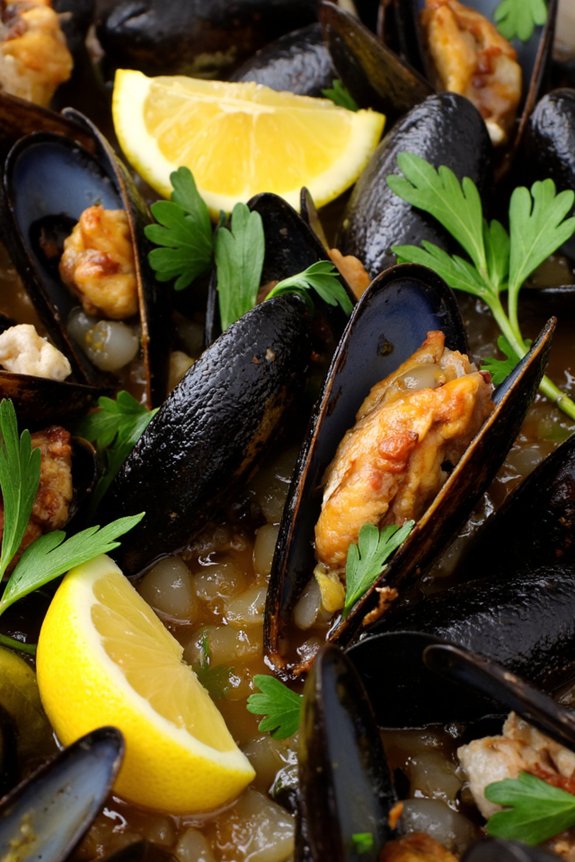
Mejillones Al Vapor, or Steamed Mussels, is a classic Spanish dish that highlights the natural flavor of fresh mussels. This dish is simple yet delicious, relying on the quality of the ingredients to shine through. The mussels are quickly steamed to perfection, allowing them to absorb the flavors of the aromatic broth they’re cooked in. This is a delightful seafood dish that can be served as a starter or as part of a larger tapas spread, bringing a taste of the Spanish coast to your table.
Cooking Mejillones Al Vapor isn’t only easy but also quick, making it an ideal recipe for both novice and experienced cooks. The key to this dish is using fresh mussels and a few essential ingredients that complement their briny sweetness. The broth, often made with white wine, garlic, onions, and herbs, enhances the mussels’ natural flavor without overpowering it. This dish is perfect for serving 4-6 people, offering a generous portion that’s sure to please any seafood lover.
Ingredients:
- 2 kg fresh mussels, cleaned and debearded
- 1 cup dry white wine
- 1 large onion, finely chopped
- 4 cloves garlic, minced
- 2 tablespoons olive oil
- 1 bay leaf
- Fresh parsley, chopped for garnish
- Lemon wedges for serving
- Salt and pepper to taste
Instructions:
- Prepare the Mussels: Begin by thoroughly cleaning the mussels under cold running water. Remove the beards and discard any mussels that are cracked or remain open after tapping them gently.
- Sauté the Aromatics: In a large pot, heat the olive oil over medium heat. Add the chopped onion and garlic, sautéing until the onion becomes translucent and the garlic is fragrant, about 3-4 minutes.
- Add the Wine and Bay Leaf: Pour in the dry white wine and add the bay leaf. Bring the mixture to a simmer, allowing the alcohol to cook off and the flavors to meld, for about 2 minutes.
- Steam the Mussels: Increase the heat to high and add the cleaned mussels to the pot. Cover with a tight-fitting lid and cook for 5-7 minutes, shaking the pot occasionally, until the mussels have opened up.
- Season and Serve: Once the mussels are cooked, remove the pot from heat. Discard any mussels that haven’t opened. Season with salt and pepper to taste. Transfer the mussels to a serving dish, discarding the bay leaf, and garnish with chopped parsley. Serve immediately with lemon wedges on the side.
Extra Tips:
When purchasing mussels, verify they’re fresh and alive by checking that their shells are closed or close when tapped.
It’s important not to overcook the mussels; they should just open up and be tender.
If you prefer a slightly thicker broth, you can add a tablespoon of butter at the end of cooking to enrich the sauce.
Pair this dish with a crusty bread to soak up the delicious broth, and consider adding a touch of smoked paprika for an extra layer of flavor.
Arroz Negro (Black Rice With Squid Ink)
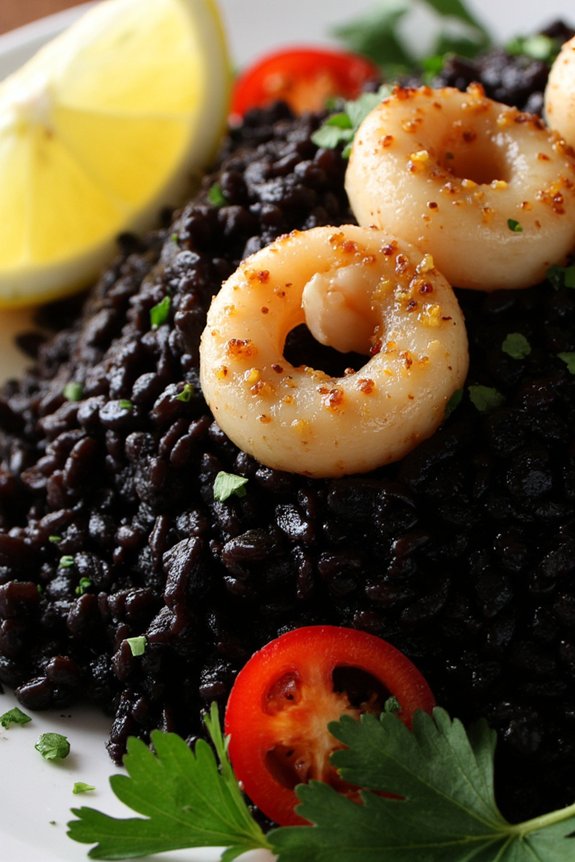
Arroz Negro, or Black Rice with Squid Ink, is a traditional Spanish dish known for its striking dark color and rich seafood flavor. This dish is particularly popular in the coastal regions of Valencia and Catalonia and is often enjoyed as a part of a leisurely lunch or dinner. The key to this dish lies in the use of squid ink, which not only imparts a unique color but also adds depth to the flavor profile, combining beautifully with the tender pieces of squid and seasoned rice.
Arroz Negro is a wonderful choice for those who want to explore the depths of Spanish cuisine and impress guests with something a little different. The recipe is straightforward, but the result is a beautifully complex dish. It’s typically served with a side of alioli, a garlic mayonnaise that complements the rich flavors of the rice perfectly. Follow the steps to create a delicious Arroz Negro that will transport you to the Spanish coast with every bite.
Ingredients for 4-6 servings:
- 2 cups of short-grain rice (such as Bomba or Arborio)
- 1 pound of squid, cleaned and cut into rings
- 1 small onion, finely chopped
- 2 cloves of garlic, minced
- 1 red bell pepper, chopped
- 2 tablespoons of olive oil
- 1 teaspoon of sweet paprika
- 4 cups of fish or seafood stock
- 2-3 sachets of squid ink (approximately 8-10 grams)
- Salt and black pepper to taste
- Lemon wedges for serving
- Fresh parsley, chopped, for garnish
- Alioli (optional, for serving)
Cooking Instructions:
- Prepare the Squid: Begin by cleaning the squid if not already done. Cut them into uniform rings and set them aside. This guarantees even cooking and consistent texture throughout the dish.
- Sauté Vegetables: In a large, heavy-based pan or paella pan, heat the olive oil over medium heat. Add the chopped onion, minced garlic, and red bell pepper. Sauté for about 5 minutes until the vegetables are soft and the onion is translucent.
- Add Squid: Increase the heat to medium-high and add the squid rings to the pan. Cook for 2-3 minutes until the squid begins to turn opaque, indicating it’s starting to cook through but still tender.
- Incorporate the Rice: Add the rice to the pan, stirring well to coat each grain with the oil and juices released by the squid. This helps the rice absorb flavors right from the start.
- Season and Add Stock: Sprinkle the sweet paprika over the rice and mix well. Pour in the fish or seafood stock and bring the mixture to a simmer. Stir in the squid ink, making sure it’s evenly distributed, giving the rice its characteristic black color.
- Cook the Rice: Reduce the heat to low and let the rice cook uncovered for about 18-20 minutes, or until the liquid is absorbed and the rice is tender. Avoid stirring too much, as this can cause the rice to become sticky.
- Final Touches: Once the rice is cooked, remove the pan from the heat. Cover it with a clean kitchen towel and let it sit for 5 minutes. This resting period allows the rice to finish cooking evenly and absorb any remaining liquid.
- Serve: Garnish the Arroz Negro with chopped fresh parsley and serve it with lemon wedges and a side of alioli, if desired. The lemon juice brightens the dish, while the alioli adds a creamy contrast to the flavors.
Extra Tips:
When preparing Arroz Negro, it’s essential to choose a good quality short-grain rice, as it absorbs the flavors and holds the dish together well. The squid ink can be found in specialty stores or online, and it’s significant to measure it according to your taste preference; a little goes a long way.
If fresh squid is unavailable, frozen squid rings can be a suitable alternative, just make sure they’re defrosted and drained properly before cooking. Finally, resist the urge to stir the rice too much while it’s cooking, as this can result in a risotto-like consistency rather than the traditional paella texture.
