

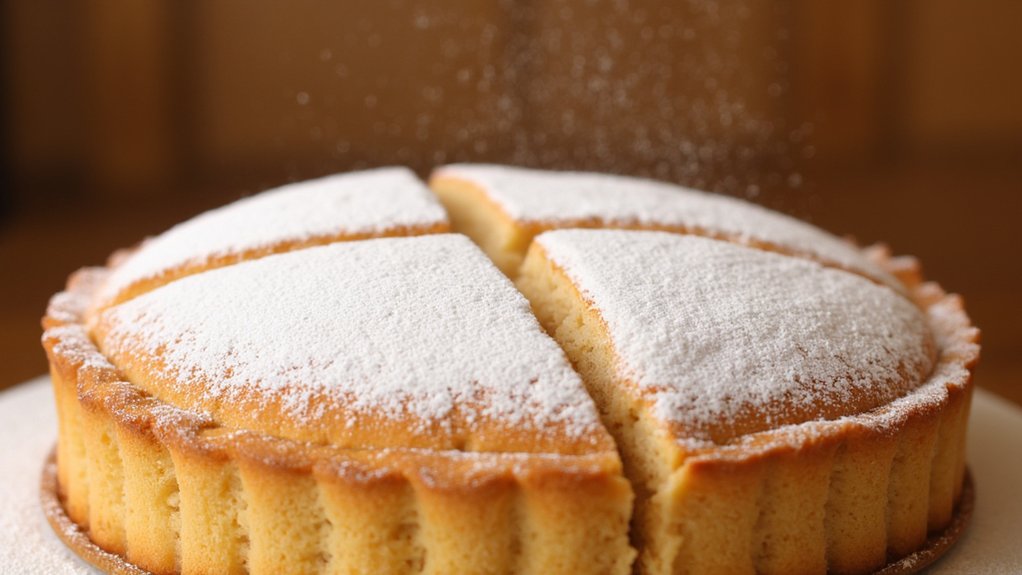
As we gear up for New Year’s Eve, it’s time to infuse our celebrations with the vibrant flavors of Spain. Picture a table filled with the aromas of Gambas Al Ajillo, the golden hue of Tortilla Española, and the kick of Patatas Bravas. The anticipation of serving Pulpo a La Gallega alongside a Jamón Ibérico platter is truly exciting. And to finish, Crema Catalana might just be the perfect sweet note. Let’s discover these delightful recipes for an unforgettable evening.
Gambas Al Ajillo (Garlic Shrimp)
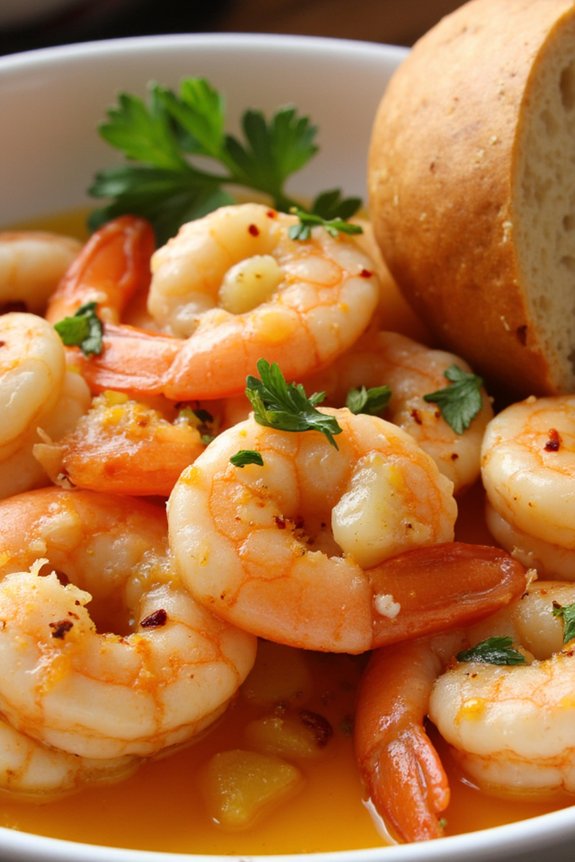
Gambas Al Ajillo, or Garlic Shrimp, is a classic Spanish dish that’s perfect for celebrating New Year’s with family and friends. This dish is renowned for its simplicity and rich, garlic-infused flavors that capture the essence of Mediterranean cuisine. Typically served as a tapa, Gambas Al Ajillo can also be enjoyed as a main course, paired with crusty bread to soak up the delicious sauce. The key to this dish is the quality of the shrimp and the freshness of the garlic, both of which contribute considerably to the overall flavor profile.
This recipe for Gambas Al Ajillo is designed to serve 4-6 people, making it an ideal choice for a festive gathering. The ingredients are straightforward, and the cooking process is quick, allowing you to spend less time in the kitchen and more time enjoying the company of your guests. The result is a succulent, aromatic dish that will transport you to the sunny coasts of Spain with every bite.
Ingredients (Serves 4-6):
- 1 kg (2.2 lbs) large shrimp, peeled and deveined
- 6 cloves garlic, thinly sliced
- 1/2 cup extra virgin olive oil
- 1 teaspoon red pepper flakes
- 1/4 cup fresh parsley, chopped
- Salt, to taste
- Freshly ground black pepper, to taste
- 1/4 cup dry sherry or white wine (optional)
- Juice of 1 lemon
- Crusty bread, for serving
Cooking Instructions:
- Prepare the Shrimp: Start by peeling and deveining the shrimp. Rinse them under cold water and pat dry with paper towels. Season the shrimp with salt and freshly ground black pepper, ensuring they’re evenly coated.
- Heat the Oil: In a large skillet or a heavy-based pan, heat the extra virgin olive oil over medium heat. Be careful not to let the oil smoke, as this can affect the flavor and quality of the dish.
- Cook the Garlic: Add the thinly sliced garlic to the hot oil. Stir continuously to prevent the garlic from burning. Cook until the garlic becomes fragrant and turns a light golden color, approximately 1-2 minutes.
- Add the Shrimp: Increase the heat to medium-high and add the shrimp to the pan. Stir the shrimp frequently, ensuring they’re evenly coated with the garlic oil.
- Incorporate Red Pepper Flakes: Sprinkle the red pepper flakes over the shrimp and stir well. This will add a subtle heat to the dish, balancing out the richness of the garlic and oil.
- Optional Sherry or Wine: If using, pour the dry sherry or white wine into the pan. Allow it to simmer for a couple of minutes to reduce slightly, enhancing the overall flavor of the dish.
- Finish the Dish: Once the shrimp turn pink and opaque (after about 3-5 minutes), remove the pan from the heat. Add the lemon juice and chopped parsley, tossing the shrimp gently to combine all ingredients.
- Serve: Transfer the Gambas Al Ajillo to a serving dish and accompany with crusty bread for dipping. Serve immediately while the dish is still hot.
Extra Tips:
For the best results, use fresh shrimp if possible, as frozen shrimp can sometimes have a different texture. Keep a close eye on the garlic as it cooks; if it burns, it will impart a bitter flavor to the dish. If you prefer a milder flavor, you can reduce the amount of red pepper flakes. Additionally, if you want a more intense garlic flavor, you can infuse the olive oil with garlic by letting it sit in the oil for a few hours before cooking. Finally, make sure to serve the dish immediately after cooking to enjoy the shrimp at their most tender and flavorful.
Tortilla Española (Spanish Omelette)
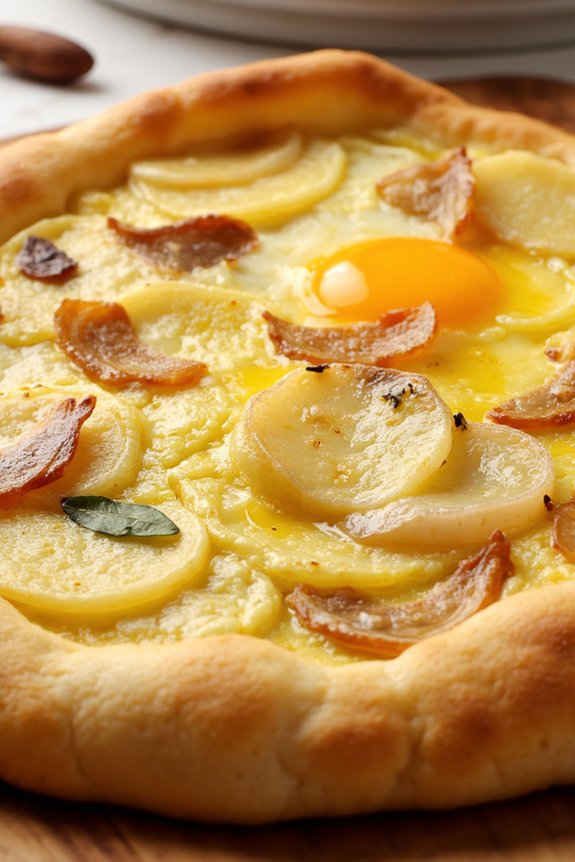
Tortilla Española, also known as Tortilla de Patatas, is a classic Spanish dish that embodies simplicity and flavor. This delicious omelette is traditionally made with just a few ingredients: eggs, potatoes, onions, and olive oil. It’s a versatile dish that can be served hot or cold, making it perfect for any meal of the day.
The key to a great Tortilla Española is in the slow cooking of the potatoes and onions, which allows them to become tender and infused with the rich flavors of olive oil.
In Spanish culture, Tortilla Española is often enjoyed as a tapa, a small plate shared among friends and family. It’s also a staple at family gatherings and holiday celebrations, including New Year’s festivities. The creamy texture of the eggs combined with the soft, slightly caramelized potatoes and onions makes for a comforting and satisfying dish.
Whether you’re a seasoned cook or a beginner, this recipe is straightforward and rewarding, offering a taste of Spain in every bite.
Ingredients for 4-6 servings:
- 6 large eggs
- 4 medium potatoes
- 1 large onion
- 1 cup olive oil
- Salt, to taste
Instructions:
- Prepare the Ingredients: Peel the potatoes and cut them into thin slices, about 1/8 inch thick. Peel and thinly slice the onion as well.
- Cook the Potatoes and Onions: In a large non-stick frying pan, heat the olive oil over medium heat. Add the sliced potatoes and onions, and reduce the heat to medium-low. Cook them slowly, stirring occasionally, until the potatoes are tender but not browned, about 20-25 minutes. The onions should be soft and translucent.
- Drain the Oil: Once the potatoes and onions are cooked, carefully drain them using a colander set over a bowl to reserve the olive oil for later use.
- Beat the Eggs: In a large bowl, beat the eggs and season with salt. Add the drained potatoes and onions to the eggs, stirring gently to combine.
- Cook the Tortilla: Wipe out the frying pan and add a little of the reserved olive oil. Heat it over medium heat. Pour the egg mixture into the pan, spreading it evenly. Cook on one side until the edges start to set and the bottom is golden brown, about 5-7 minutes.
- Flip the Tortilla: Place a large plate over the pan and carefully invert the tortilla onto the plate. Slide the tortilla back into the pan to cook the other side until it’s set and golden brown, another 5-7 minutes.
- Serve: Allow the tortilla to cool slightly before slicing it into wedges. Serve it warm or at room temperature.
Extra Tips:
When making Tortilla Española, make certain that the potatoes and onions are cooked slowly and evenly to develop their flavors fully. Using a good quality olive oil will enhance the taste of the dish.
If flipping the tortilla seems intimidating, you can finish cooking it under a broiler, but keep an eye on it to prevent burning. Leftover tortilla can be stored in the refrigerator and is delicious when served the next day.
Enjoy your Tortilla Española as part of a New Year’s celebration or as a comforting meal any time of the year.
Patatas Bravas (Spicy Potatoes)
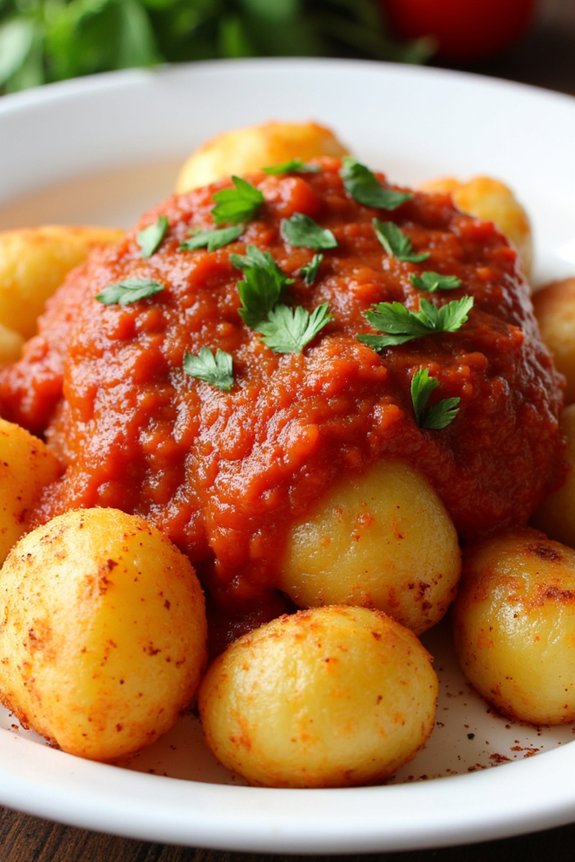
Patatas Bravas, or Spicy Potatoes, is a classic Spanish tapas dish that’s beloved for its crispy exterior and spicy, flavorful sauce. This dish is a staple in Spanish cuisine and is perfect for serving at New Year’s gatherings or any time you want to bring a taste of Spain to your table. The combination of crisp fried potatoes with a spicy tomato sauce is irresistible and guaranteed to be a hit with family and friends.
The origins of Patatas Bravas date back to the mid-20th century in Madrid, where it quickly became a popular dish in bars and restaurants. The key to an authentic Patatas Bravas lies in the spicy sauce, which should have a perfect balance of heat and tanginess. Typically served as a tapa, it can also be enjoyed as a side dish or a starter. This recipe is designed for 4-6 people, making it ideal for a small gathering or a family meal.
Ingredients for Patatas Bravas (serving size: 4-6 people):
- 1.5 kg (about 3 lbs) potatoes, peeled and cut into 2 cm cubes
- 4 tablespoons olive oil
- Salt, to taste
- 1 teaspoon smoked paprika
- 1/2 teaspoon cayenne pepper
- 1 onion, finely chopped
- 3 garlic cloves, minced
- 400g (about 14 oz) canned diced tomatoes
- 1 tablespoon tomato paste
- 1 tablespoon red wine vinegar
- 1/2 teaspoon sugar
- Fresh parsley, chopped (for garnish)
Cooking Instructions:
- Prepare the potatoes: Rinse the cubed potatoes under cold water to remove excess starch, then pat them dry with a kitchen towel. This will help them become crispy when fried.
- Fry the potatoes: In a large frying pan, heat 3 tablespoons of olive oil over medium-high heat. Once hot, add the potatoes and fry, stirring occasionally, for about 20-25 minutes or until they’re golden brown and crispy. Season with salt and set aside on a paper towel-lined plate to drain excess oil.
- Make the sauce: In the same pan, add 1 tablespoon of olive oil and sauté the chopped onion over medium heat until it becomes translucent, about 5 minutes. Add the minced garlic and cook for another minute.
- Add spices and tomatoes: Stir in the smoked paprika and cayenne pepper, then add the canned diced tomatoes, tomato paste, red wine vinegar, and sugar. Bring the mixture to a simmer and let it cook for about 10-15 minutes, stirring occasionally, until the sauce thickens.
- Blend the sauce (optional): For a smoother sauce, you can use an immersion blender to blend the sauce directly in the pan until it reaches your desired consistency. Alternatively, leave it chunky for more texture.
- Serve the dish: Transfer the fried potatoes to a serving dish and spoon the spicy tomato sauce over them. Garnish with chopped fresh parsley before serving hot.
Extra Tips:
For the crispiest potatoes, verify they’re thoroughly dried after rinsing. You can also parboil the potatoes for about 5 minutes before frying to reduce cooking time and enhance texture.
If you prefer a milder sauce, adjust the amount of cayenne pepper to your taste. For extra flavor, consider adding a pinch of saffron to the sauce during cooking.
Finally, Patatas Bravas can be served with aioli or a garlic mayonnaise dip on the side for added richness.
Albondigas (Spanish Meatballs)
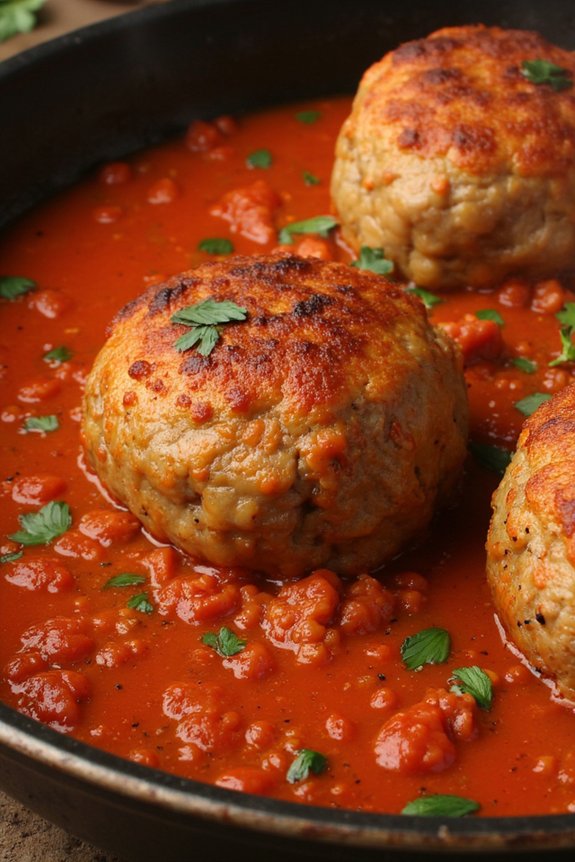
This recipe is designed to serve 4-6 people, making it an ideal choice for a New Year’s gathering. Whether you’re an experienced cook or a novice in the kitchen, you’ll find that this recipe is straightforward and rewarding. The key to successful albondigas lies in balancing the spices and guaranteeing the meatballs are tender and moist. Follow the instructions carefully to create a dish that embodies the warmth and joy of Spanish cuisine.
Ingredients (Serves 4-6):
- 500g ground beef or pork (or a mix of both)
- 1 cup breadcrumbs
- 2 eggs
- 3 cloves of garlic, minced
- 1 onion, finely chopped
- 1 teaspoon smoked paprika
- 1 teaspoon salt
- 1/2 teaspoon black pepper
- 1 tablespoon chopped fresh parsley
- 1 tablespoon olive oil
- 2 cups tomato sauce
- 1 cup beef or chicken broth
- 1 teaspoon sugar
- 1 bay leaf
Instructions:
- Prepare the Meatball Mixture: In a large bowl, combine the ground meat, breadcrumbs, eggs, minced garlic, chopped onion, smoked paprika, salt, black pepper, and chopped parsley. Mix well until all ingredients are evenly incorporated.
- Shape the Meatballs: Using your hands, shape the mixture into small, bite-sized meatballs, about 1 inch in diameter. Place them on a tray or plate as you go. This should yield approximately 20-24 meatballs.
- Brown the Meatballs: Heat the olive oil in a large skillet over medium heat. Add the meatballs in batches, guaranteeing they aren’t overcrowded. Cook until they’re browned on all sides, about 5-7 minutes. Transfer the browned meatballs to a plate and set aside.
- Prepare the Tomato Sauce: In the same skillet, add the tomato sauce, broth, sugar, and bay leaf. Stir well to combine the ingredients. Bring the mixture to a simmer over medium heat.
- Simmer the Meatballs: Return the meatballs to the skillet with the simmering sauce. Reduce the heat to low, cover the skillet, and let the meatballs cook in the sauce for about 20 minutes. Stir occasionally to guarantee even cooking and prevent sticking.
- Serve: Once the meatballs are cooked through and the sauce has thickened slightly, remove the bay leaf. Serve the albondigas hot, garnished with additional fresh parsley if desired.
Extra Tips:
For the best flavor, use a combination of beef and pork for the meatballs as it adds richness and depth. If the meatball mixture feels too wet, add a bit more breadcrumbs until it reaches the right consistency.
Be careful not to overmix the meatball ingredients, as this can make the meatballs tough. If you prefer a spicier dish, consider adding a pinch of cayenne pepper to the tomato sauce.
Albondigas can be served with crusty bread, rice, or pasta to soak up the delightful sauce. Enjoy this comforting dish with a glass of Spanish red wine to complement the flavors.
Pulpo a La Gallega (Galician-Style Octopus)
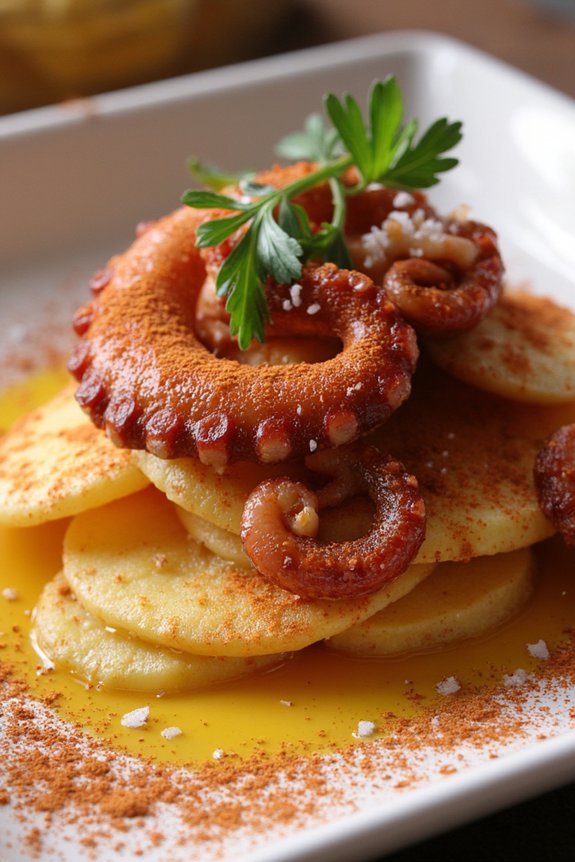
Pulpo a La Gallega, also known as Galician-Style Octopus, is a traditional Spanish dish that hails from the Galicia region. This simple yet exquisite seafood delicacy is renowned for its tender octopus slices, seasoned with olive oil, paprika, and sea salt, and typically served over a bed of warm, sliced potatoes. The dish embodies the fresh and authentic flavors of coastal Spain and is a popular choice for special occasions, including New Year’s celebrations. Its preparation requires minimal ingredients but demands precision in cooking techniques to achieve the perfect texture.
In Galicia, Pulpo a La Gallega is often enjoyed at local fairs and gatherings, where the octopus is traditionally cooked in large copper pots. The dish’s rustic presentation, often on a wooden platter, complements its rich, savory taste. Though the process might seem intimidating, with the right guidance, you can recreate this authentic Spanish experience at home. The following recipe serves 4-6 people, making it ideal for a festive New Year’s dinner with family and friends.
Ingredients:
- 2 kg octopus, cleaned and frozen
- 1 kg potatoes, preferably waxy
- 1/4 cup extra virgin olive oil
- 1-2 tablespoons sweet paprika (Pimentón de la Vera)
- Coarse sea salt to taste
- Fresh parsley for garnish (optional)
Cooking Instructions:
- Prepare the Octopus:
- If using frozen octopus, defrost it in the refrigerator overnight. Freezing helps tenderize the octopus, which is an essential step for achieving the right texture.
- Once defrosted, rinse the octopus under cold water and verify it’s thoroughly cleaned.
- Cook the Octopus:
- Fill a large pot with water, adding a pinch of sea salt, and bring it to a boil.
- To make the octopus tender, use the “scaring” technique: dip the octopus into the boiling water for a few seconds and lift it out. Repeat this process three times, then fully submerge the octopus into the boiling water.
- Reduce the heat and let the octopus simmer for about 45 minutes to 1 hour, or until it becomes tender when pierced with a fork.
- Prepare the Potatoes:
- While the octopus is cooking, peel and slice the potatoes into 1/2 inch thick rounds.
- In a separate pot, bring salted water to a boil and cook the potato slices until they’re tender but still firm, about 15-20 minutes. Drain and set aside.
- Assemble the Dish:
- Once the octopus is cooked, remove it from the pot and let it cool slightly. Cut the tentacles into 1/2 inch thick slices.
- Arrange the potato slices on a serving platter. Lay the octopus slices on top of the potatoes.
- Drizzle generously with the extra virgin olive oil and sprinkle with the sweet paprika and coarse sea salt. Garnish with fresh parsley if desired.
- Serve:
- Serve immediately, making sure the dish is warm to enjoy the full flavors.
Extra Tips:
For an authentic touch, try using a wooden platter to serve Pulpo a La Gallega, which helps absorb the oil and enhances the flavors. If you prefer a spicier kick, you can mix sweet paprika with a pinch of hot paprika. Remember, the quality of olive oil and paprika plays a significant role in the final taste of the dish, so opt for high-quality ingredients for the best results. Finally, don’t rush the cooking process; allowing the octopus to simmer gently guarantees a tender, melt-in-your-mouth texture.
Pimientos De Padrón (Padron Peppers)
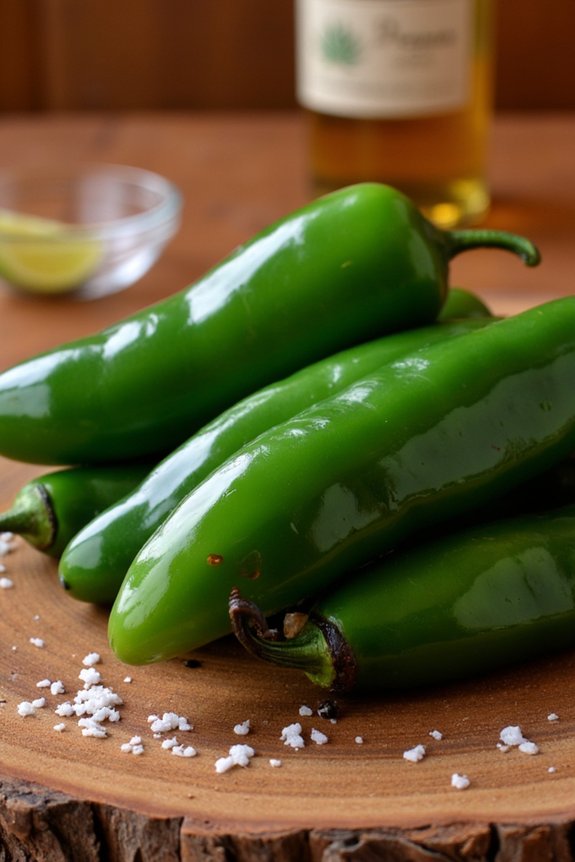
Pimientos De Padrón, or Padron Peppers, are a delightful Spanish dish that makes for a perfect appetizer or tapas option. Known for their mild flavor, these small green peppers occasionally surprise with a spicy bite, adding an element of excitement to your dining experience.
Traditionally served in Spain, they’re often enjoyed during New Year’s celebrations as a symbol of good fortune and prosperity. Their simplicity and vibrant flavor make them a favorite among those who appreciate authentic Spanish cuisine.
The preparation of Pimientos De Padrón is straightforward, requiring only a few ingredients. The key to achieving the perfect dish lies in the balance of flavors and the method of cooking, which enhances the peppers’ natural taste. A quick cook in hot olive oil brings out their sweetness while the finishing touch of coarse salt provides the ideal contrast.
Whether you’re hosting a New Year’s Eve party or simply looking to explore Spanish culinary traditions, this dish is sure to be a hit with your guests.
Ingredients for 4-6 people:
- 1 pound (about 500 grams) of Padron peppers
- 2 tablespoons of extra virgin olive oil
- Coarse sea salt to taste
Instructions:
- Prepare the Peppers: Start by washing the Padron peppers thoroughly under cold running water. Pat them dry using a clean kitchen towel or paper towels. Confirming they’re dry is important to prevent the oil from splattering during cooking.
- Heat the Oil: Place a large skillet or frying pan over medium-high heat and add the extra virgin olive oil. Allow the oil to heat up until it shimmers, but be careful not to overheat it, as this can cause the oil to smoke.
- Cook the Peppers: Once the oil is hot, carefully add the Padron peppers to the pan. Arrange them in a single layer to ensure even cooking. Fry the peppers for about 5-7 minutes, turning occasionally, until they begin to blister and their skin becomes slightly charred.
- Season the Peppers: Once the peppers are cooked, remove the skillet from heat. Immediately sprinkle the peppers with coarse sea salt to taste. Toss them gently in the pan to ensure they’re evenly coated with salt.
- Serve: Transfer the seasoned Padron peppers to a serving dish. Serve them hot as an appetizer or alongside other tapas dishes, and enjoy the dynamic flavors they bring to your meal.
Extra Tips:
When preparing Pimientos De Padrón, it’s important to remember that the quality of the olive oil can greatly impact the flavor of the dish. Opt for a high-quality extra virgin olive oil for the best results.
Additionally, while most Padron peppers are mild, about one in ten can be surprisingly spicy, adding a fun twist to the dish. Consider serving them with a cooling dip, such as a yogurt or aioli, for guests who may encounter a spicier pepper.
Finally, keep an eye on the peppers while cooking to prevent them from burning, confirming they achieve the perfect blistered texture.
Empanadas Gallegas (Galician Empanadas)
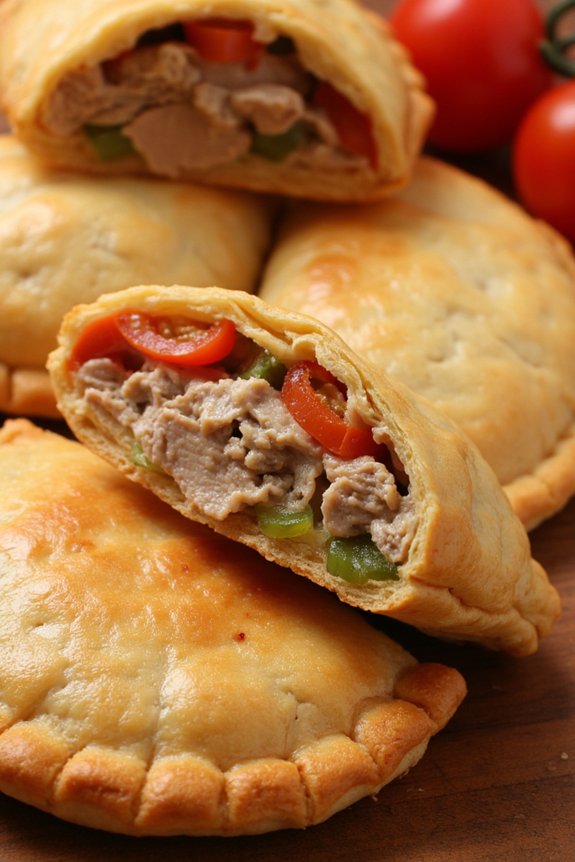
Empanadas Gallegas, or Galician Empanadas, are a classic Spanish dish originating from the Galicia region. These delicious pastries are typically filled with a variety of ingredients, including fish, meat, or vegetables, encased in a flaky, golden crust. Traditionally served during festive occasions and family gatherings, Empanadas Gallegas make for an excellent addition to your New Year’s celebration. The combination of savory fillings and perfectly baked dough creates a unique taste experience that’s bound to delight your guests.
The beauty of Empanadas Gallegas lies in their versatility. You can tailor the fillings to suit your preferences or dietary needs, making them a great dish for any crowd. While this recipe focuses on a classic tuna filling, you can easily substitute it with chicken, beef, or a medley of seasonal vegetables. Whether you’re a seasoned cook or a novice in the kitchen, making Empanadas Gallegas is a rewarding experience that brings a touch of Spanish tradition to your holiday table.
Ingredients (serving size: 4-6 people):
- For the dough:
- 4 cups all-purpose flour
- 1 teaspoon salt
- 1 cup water
- 1/2 cup olive oil
- 1 packet (7g) active dry yeast
- For the filling:
- 2 tablespoons olive oil
- 2 medium onions, finely chopped
- 1 red bell pepper, diced
- 1 green bell pepper, diced
- 3 garlic cloves, minced
- 1 can (14 oz) diced tomatoes, drained
- 2 cans (5 oz each) tuna, drained
- 1 teaspoon smoked paprika
- Salt and pepper to taste
- 1 egg, beaten (for glazing)
Cooking Instructions:
- Prepare the Dough: In a large bowl, combine the flour and salt. In a separate bowl, mix the warm water, olive oil, and yeast until dissolved. Gradually add this liquid mixture to the flour, stirring until a dough forms. Knead the dough on a floured surface for about 10 minutes until it’s smooth and elastic. Place it in a bowl, cover with a damp cloth, and let it rise in a warm place for about 1 hour or until doubled in size.
- Prepare the Filling: While the dough is rising, prepare the filling. Heat olive oil in a large skillet over medium heat. Add the onions, red bell pepper, and green bell pepper, sautéing until softened, about 5-7 minutes. Stir in the garlic and cook for another minute. Add the drained tomatoes, tuna, smoked paprika, salt, and pepper. Cook for another 5 minutes, allowing the flavors to meld. Remove from heat and let cool.
- Assemble the Empanada: Preheat your oven to 375°F (190°C). Once the dough has risen, punch it down and divide it into two equal parts. Roll out one part on a floured surface into a large rectangle, about 1/4 inch thick. Place the dough on a baking sheet. Spread the cooled filling evenly over the dough, leaving a border around the edges. Roll out the second piece of dough and place it over the filling, sealing the edges by pressing down with a fork or your fingers.
- Bake the Empanada: Brush the top of the empanada with the beaten egg to give it a golden glaze. Cut a few slits in the top to allow steam to escape during baking. Bake in the preheated oven for 30-35 minutes, or until the crust is golden brown and firm. Remove from the oven and let cool slightly before slicing and serving.
Extra Tips:
For the best results, make sure to let the dough rise in a warm, draft-free environment to guarantee it becomes light and airy. If you prefer a vegetarian version, replace the tuna with a mixture of mushrooms and spinach.
Additionally, letting the filling cool completely before assembling will prevent the dough from becoming soggy. Feel free to get creative with your fillings; Empanadas Gallegas are a great way to use up leftover meats and vegetables.
Enjoy your empanadas warm or at room temperature, making them a versatile dish for any gathering.
Paella Valenciana (Valencian Paella)
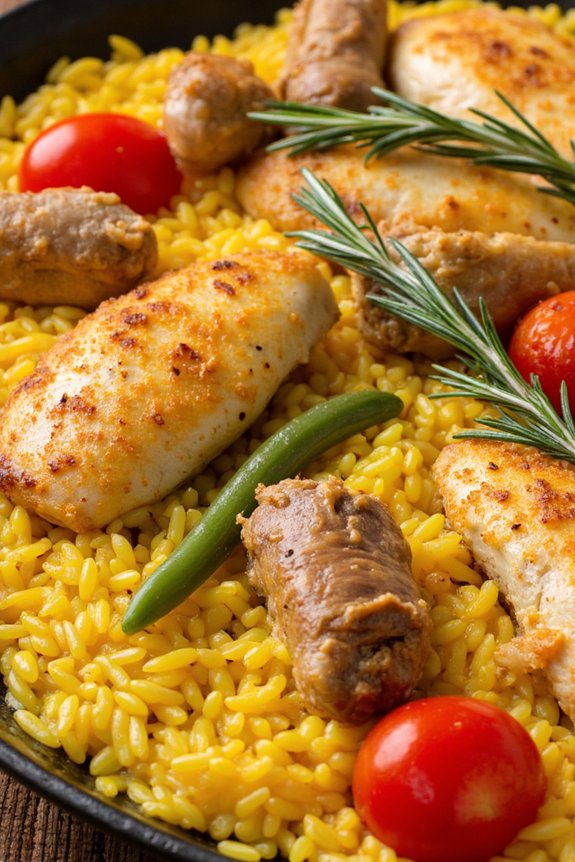
Paella Valenciana is a traditional Spanish dish that originates from the region of Valencia. It’s a vibrant and flavorful rice dish that perfectly embodies the spirit of Spanish cuisine, making it a popular choice for New Year’s celebrations. The dish is known for its distinctive saffron-infused rice and a rich combination of meats and vegetables.
Paella Valenciana is traditionally cooked in a wide, shallow pan over an open flame, allowing the rice to develop a unique texture with a crispy base known as “socarrat.” This dish isn’t only a feast for the taste buds but also a visual delight with its colorful ingredients.
The authentic Paella Valenciana includes a variety of meats such as chicken and rabbit, complemented by an assortment of vegetables like green beans and tomatoes. The use of saffron gives the dish its signature golden color, while the addition of rosemary and other spices enhances its aromatic qualities.
Whether you’re hosting a New Year’s Eve party or simply want to try your hand at making a classic Spanish dish, Paella Valenciana is sure to impress your guests with its robust flavors and beautiful presentation.
Ingredients (Serves 4-6):
- 1/4 cup olive oil
- 1 pound chicken, cut into pieces
- 1/2 pound rabbit, cut into pieces
- 1/2 pound green beans
- 1/2 cup diced tomatoes
- 1 teaspoon sweet paprika
- 1 pinch saffron threads
- 4 cups chicken broth
- 2 cups short-grain rice (preferably Bomba)
- 1 sprig fresh rosemary
- Salt and pepper to taste
- Lemon wedges for serving
Cooking Instructions:
- Heat the Olive Oil: In a wide, shallow paella pan, heat the olive oil over medium heat until shimmering.
- Brown the Meats: Add the chicken and rabbit pieces to the pan. Brown them on all sides for about 5-7 minutes until they’re golden. Remove the meats from the pan and set them aside.
- Cook the Vegetables: In the same pan, add the green beans and cook for about 3 minutes until they’re slightly tender. Stir in the diced tomatoes and cook for an additional 2 minutes until the tomatoes begin to break down.
- Season the Base: Sprinkle the sweet paprika over the vegetables and stir quickly to combine. Be careful not to burn the paprika as it can become bitter.
- Add the Rice and Broth: Return the browned meats to the pan and add the rice, stirring to coat the rice grains in the oil and spices. Pour in the chicken broth and saffron threads, stirring gently to combine.
- Simmer the Paella: Bring the mixture to a gentle boil, then reduce the heat to low. Add the rosemary sprig and season with salt and pepper. Allow the paella to simmer without stirring for about 20 minutes until most of the liquid is absorbed and the rice is cooked through.
- Create the Socarrat: Increase the heat to medium-high for the final 2-3 minutes to develop the socarrat, the crispy bottom layer of rice that’s a hallmark of traditional paella.
- Rest and Serve: Remove the pan from the heat and let the paella rest for 5 minutes. Serve with lemon wedges on the side for squeezing over the dish.
Extra Tips:
To guarantee an authentic Paella Valenciana, use Bomba rice if possible, as it absorbs liquid well without becoming mushy. If you don’t have a paella pan, a large skillet with a wide, flat base will suffice.
Be mindful of the heat during cooking; too much stirring can prevent the formation of the socarrat. Finally, adjust the seasoning and liquid amounts according to the type of rice used, as different varieties may have varying absorption rates. Enjoy your culinary journey into Spanish cuisine with this delightful dish!
Jamón Ibérico Y Queso (Iberian Ham and Cheese Platter)
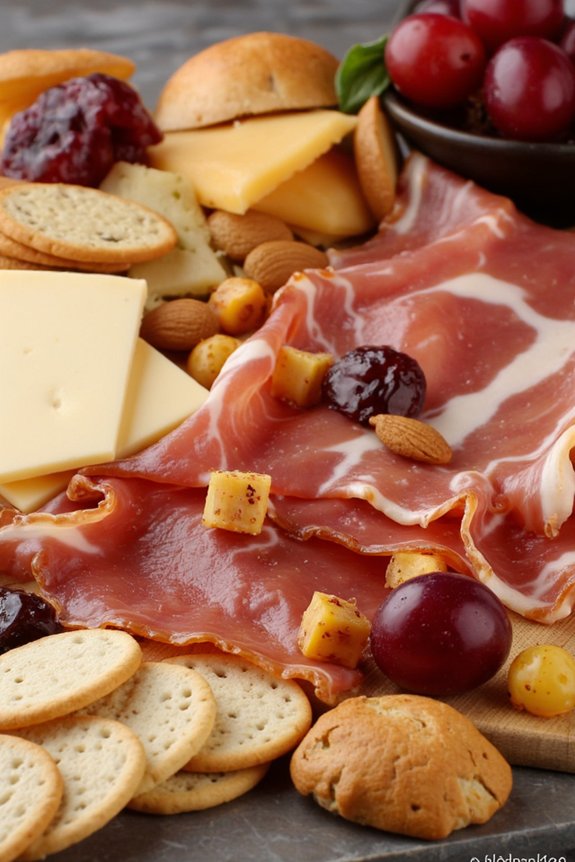
A quintessential Spanish delicacy, the Jamón Ibérico Y Queso platter is a celebration of the finest ingredients Spain has to offer. This dish is perfect for New Year’s gatherings, offering a delightful combination of flavors and textures that showcase the rich culinary heritage of Spain.
The key to an authentic experience is the quality of the ingredients, with Jamón Ibérico, a cured ham from the Iberian Peninsula, being the star. The ham is paired with a selection of Spanish cheeses, creating a harmonious balance that delights the palate.
This platter isn’t only a treat for the taste buds but also a feast for the eyes, with its vibrant colors and artful presentation. It requires minimal preparation, allowing you to focus on savoring the moment with friends and family.
Ideal for serving 4-6 people, this recipe provides a sophisticated yet simple option for your New Year’s celebration. Pair it with a fine Spanish wine, and you have a perfect culinary experience that’s sure to impress your guests.
Ingredients:
- 200 grams of Jamón Ibérico
- 200 grams of Manchego cheese
- 150 grams of Mahón cheese
- 150 grams of Tetilla cheese
- 100 grams of Marcona almonds
- 100 grams of Membrillo (quince paste)
- Fresh grapes for garnish
- Freshly baked baguette or crackers
Cooking Instructions:
- Prepare the Cheese: Begin by slicing the Manchego, Mahón, and Tetilla cheeses into thin slices or small wedges. Arrange them on a large serving platter, spacing them out to allow for easy access.
- Slice the Jamón Ibérico: Using a sharp knife, carefully slice the Jamón Ibérico into thin pieces. If you have a ham holder, use it to stabilize the ham for more precise slicing. Arrange the slices on the platter, fanning them out next to the cheeses.
- Add the Membrillo and Almonds: Cut the Membrillo into small cubes or slices and place them on the platter, balancing the savory flavors of the ham and cheese. Scatter the Marcona almonds around the platter to add a crunchy texture.
- Garnish with Grapes: Add fresh grapes around the platter to introduce a pop of color and a revitalizing, sweet contrast to the rich flavors of the ham and cheese.
- Serve with Baguette or Crackers: Slice the baguette into thin rounds or provide a selection of crackers alongside the platter. This offers guests a base to build their own perfect bite.
Extra Tips:
For the best taste, serve the Jamón Ibérico at room temperature, allowing its full flavor and aroma to develop. If possible, use a cheese board or marble slab to maintain the coolness of the cheeses.
When slicing the cheeses and ham, aim for uniformity to make the presentation more appealing. You can also add other Spanish delicacies like olives or pickled vegetables to enhance the array of flavors.
Finally, pair your platter with a light, crisp white wine or a medium-bodied red to complement the rich flavors of the ham and cheeses.
Crema Catalana (Catalan Cream)
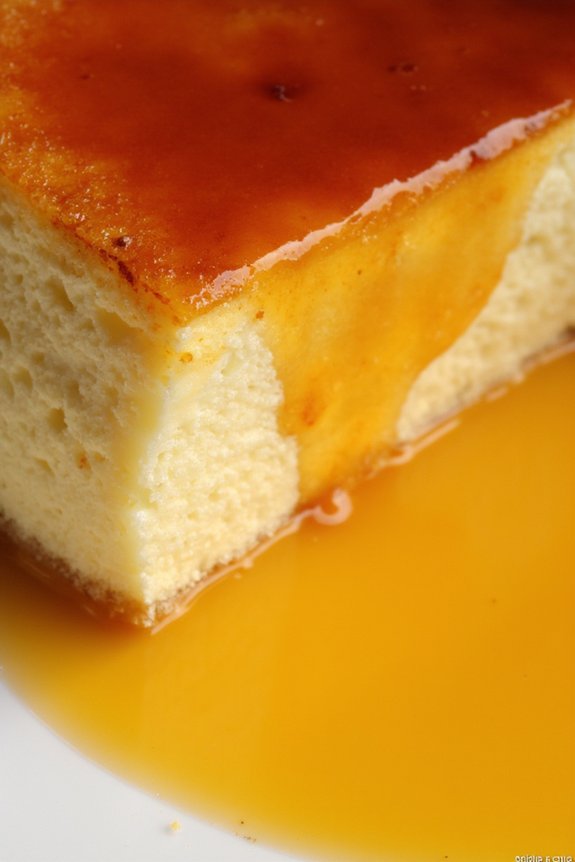
Crema Catalana, also known as Catalan Cream, is a traditional Spanish dessert that’s particularly popular in the region of Catalonia. With its rich, creamy texture and a delicate hint of citrus and cinnamon, this dessert is often compared to the French crème brûlée.
However, Crema Catalana is noted for its use of milk instead of cream and the inclusion of cornstarch, which gives it a slightly different texture. This delightful treat is typically served on special occasions, including New Year’s celebrations, where it’s a comforting and elegant addition to the festive menu.
Unlike other custards, Crema Catalana has an irresistible contrast of textures with a smooth, silky custard base topped with a thin layer of caramelized sugar. The process of caramelizing the sugar right before serving gives it a satisfying crunch and a slightly burnt flavor that complements the creamy custard perfectly.
This dish is best enjoyed chilled, making it a rejuvenating end to a hearty New Year’s feast. Whether you’re looking to impress guests or simply treat yourself, Crema Catalana is a must-try for anyone who appreciates classic European desserts.
Ingredients (serving size: 4-6 people):
- 500 ml whole milk
- 1 cinnamon stick
- Zest of 1 lemon
- 4 large egg yolks
- 100 g granulated sugar (plus extra for topping)
- 25 g cornstarch
Instructions:
- Infuse the Milk: Pour the milk into a saucepan and add the cinnamon stick and lemon zest. Place it over medium heat and bring it to just below boiling point. Once it starts to steam, remove the saucepan from the heat and let the flavors infuse for about 15 minutes.
- Prepare the Egg Mixture: In a mixing bowl, whisk together the egg yolks, sugar, and cornstarch until you have a smooth, pale mixture. This will form the base of your custard.
- Combine Ingredients: Slowly pour the infused milk through a strainer into the egg mixture, discarding the cinnamon stick and lemon zest. Whisk continuously to combine thoroughly.
- Cook the Custard: Return the mixture to the saucepan and place it over medium heat. Stir constantly with a wooden spoon or spatula to prevent the custard from sticking to the bottom. Cook until the mixture thickens enough to coat the back of the spoon, but don’t let it boil.
- Chill the Custard: Once thickened, remove the custard from the heat and pour it into individual ramekins. Allow them to cool to room temperature before transferring to the refrigerator. Chill for at least 2 hours, or until the custard is set.
- Caramelize the Sugar: Just before serving, sprinkle a thin, even layer of granulated sugar over the top of each custard. Use a kitchen torch to caramelize the sugar until it’s golden brown and crisp. Alternatively, place the ramekins under a hot grill for a few minutes to achieve the same effect.
Extra Tips:
When making Crema Catalana, it’s important to monitor the custard closely during the cooking process to ascertain it thickens properly without curdling.
Continuously stirring the mixture will prevent it from sticking and forming lumps. For a more intense citrus flavor, you can add a bit of orange zest along with the lemon.
If you don’t have a kitchen torch for caramelizing the sugar, a very hot broiler can be used, but keep a close eye to prevent burning. This dessert can be prepared a day in advance, making it a convenient option for entertaining.
Tarta De Santiago (Santiago Almond Cake)
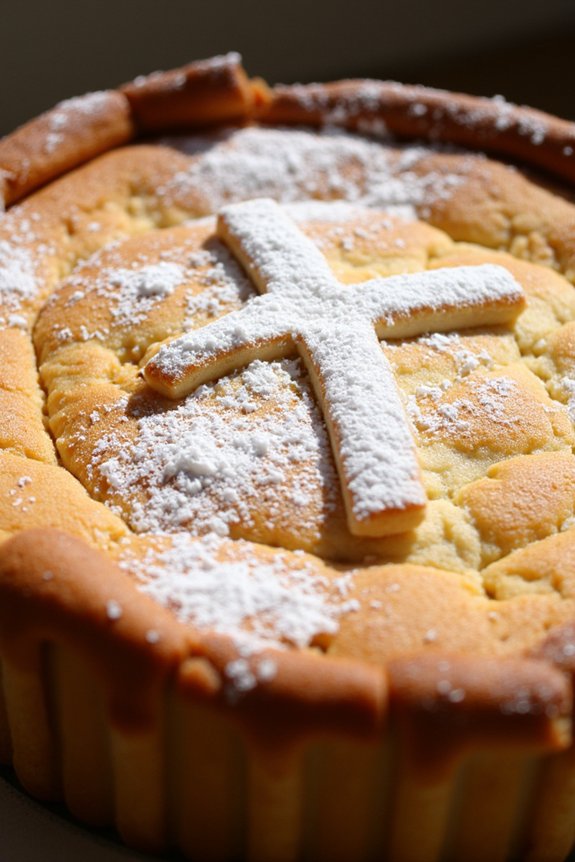
Tarta De Santiago, or Santiago Almond Cake, is a traditional Spanish dessert that hails from the Galicia region. This cake is a delightful treat often enjoyed during New Year’s celebrations and other festive occasions. The cake is named after Santiago de Compostela, the capital of Galicia, and is known for its rich almond flavor and moist texture. Its simplicity and elegance make it a perfect addition to any holiday table, and it’s often adorned with a powdered sugar cross on top, paying homage to its religious roots.
The beauty of Tarta De Santiago lies in its simplicity, as it requires only a few ingredients to create a delicious and memorable dessert. This cake is naturally gluten-free since it uses almond flour instead of wheat flour, making it an excellent choice for those with dietary restrictions. The combination of ground almonds, sugar, eggs, and lemon zest creates a cake that isn’t only flavorful but also wonderfully aromatic. Serve this cake with a dusting of powdered sugar and enjoy a taste of Spain in every bite.
Ingredients for 4-6 servings:
- 250 grams of almond flour (or finely ground almonds)
- 250 grams of granulated sugar
- 5 large eggs
- Zest of 1 lemon
- 1/2 teaspoon of ground cinnamon
- Powdered sugar for dusting
Cooking Instructions:
- Preheat the Oven: Start by preheating your oven to 175°C (350°F). Grease a 23cm (9-inch) round cake pan with butter or line it with parchment paper to prevent sticking.
- Mix the Dry Ingredients: In a large mixing bowl, combine the almond flour, granulated sugar, and ground cinnamon. Stir well to ascertain the ingredients are evenly distributed.
- Prepare the Wet Ingredients: In another bowl, beat the eggs until they’re frothy and have increased in volume. This can be done by hand with a whisk or with an electric mixer.
- Combine Ingredients: Gradually fold the beaten eggs into the dry ingredients, gently incorporating them to maintain the airiness. Once combined, add the lemon zest and continue to mix until you have a smooth batter.
- Bake the Cake: Pour the batter into the prepared cake pan, smoothing the top with a spatula. Place the pan in the preheated oven and bake for about 30-35 minutes, or until the top is golden brown and a toothpick inserted into the center comes out clean.
- Cool and Decorate: Remove the cake from the oven and allow it to cool in the pan for 10 minutes before transferring it to a wire rack to cool completely. Once cooled, dust the top with powdered sugar. For a traditional touch, use a template to create the cross of Santiago with the powdered sugar.
Extra Tips:
To guarantee your Tarta De Santiago has the best flavor, use fresh, high-quality almonds. If you prefer a more intense almond flavor, you can toast the almond flour lightly before using it in the recipe.
Also, be careful not to overmix the batter, as this can deflate the eggs and result in a denser cake. For a more authentic presentation, consider using a stencil to create the cross of Santiago on top of the cake with powdered sugar. Enjoy this delicious cake with a cup of coffee or tea for a truly delightful experience.
