

When it comes to comfort food, traditional Spanish recipes have a special place in my heart. The saffron-infused Paella Valenciana and the hearty Spanish Chorizo Stew are just a couple of favorites. These dishes bring warmth and joy to the dinner table, perfect for family gatherings. Let’s explore some cozy recipes from Spain that are sure to create cherished memories. Get ready to add a touch of Spanish flavor to your next meal.
Classic Paella Valenciana
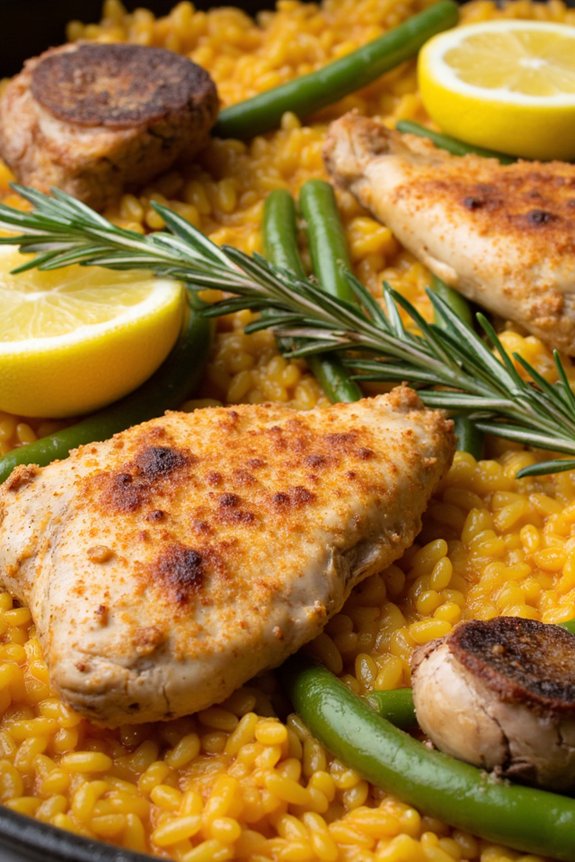
Paella Valenciana is a quintessential Spanish dish that hails from the Valencia region. Known for its vibrant saffron color and rich blend of flavors, this dish is a true representation of Spanish cuisine’s heart and soul. Traditionally, Paella Valenciana combines a variety of meats, including rabbit and chicken, with green beans, garrofó (a type of white bean), and a mixture of spices that bring the dish to life.
The foundation of this hearty meal is the short-grain rice, which absorbs all the delicious flavors, resulting in a satisfying and aromatic dish that’s perfect for gatherings. Typically cooked in a wide, shallow pan over an open flame, Paella Valenciana is as much about the technique as it’s about the ingredients. The goal is to achieve the perfect socarrat, a crispy, caramelized layer of rice at the bottom of the pan that’s highly coveted by paella enthusiasts.
With its roots deeply embedded in family and tradition, Paella Valenciana isn’t just a meal but an experience, offering a taste of Spain’s rich culinary heritage. Below is a detailed recipe to prepare this classic dish for 4-6 people.
Ingredients (serving size: 4-6 people):
- 1/4 cup olive oil
- 1 pound chicken, cut into pieces
- 1/2 pound rabbit, cut into pieces
- 1/2 pound green beans
- 1/4 cup garrofó (or lima beans as a substitute)
- 1 tomato, grated
- 1 teaspoon sweet paprika
- 1 pinch saffron threads
- Salt to taste
- 2 cups short-grain rice (such as Bomba or Calasparra)
- 4 cups chicken broth
- 1 sprig fresh rosemary
- Lemon wedges for serving
Cooking Instructions:
- Prepare the Pan: Heat the olive oil in a wide, shallow paella pan over medium-high heat. Verify the oil is hot before adding the meat to prevent sticking.
- Brown the Meat: Add the chicken and rabbit to the pan. Brown the meat on all sides, ensuring a good sear to lock in the juices and flavor. This should take about 10 minutes.
- Add Vegetables: Once the meat is browned, add the green beans and garrofó. Sauté them for about 5 minutes until they start to soften.
- Incorporate the Tomato and Spices: Stir in the grated tomato and sweet paprika, mixing well to coat all ingredients. Cook for another 2 minutes until the tomato is well integrated into the mixture.
- Infuse with Saffron: Add the saffron threads and salt to the pan, stirring to combine. This step guarantees that the saffron releases its color and aroma, permeating the dish.
- Add the Rice: Evenly distribute the rice across the pan. Stir to verify it’s well coated with the flavored oil and ingredients, but don’t stir again after the broth is added.
- Pour in the Broth: Carefully add the chicken broth to the pan, ensuring an even distribution. Place the rosemary sprig on top. Increase the heat and bring the mixture to a boil.
- Simmer and Cook: Once boiling, reduce the heat to medium-low and let the paella simmer uncovered for about 20 minutes. Don’t stir the rice; this allows the socarrat to form on the bottom.
- Rest and Serve: Once the liquid is absorbed and the rice is tender, remove the pan from the heat. Cover it with a clean cloth and let it rest for about 5 minutes. Serve with lemon wedges on the side.
Extra Tips:
Achieving the perfect socarrat, the crispy layer of rice at the bottom, is essential for an authentic paella experience. To do this, verify not to stir the rice once the broth is added and allow the paella to rest after cooking.
Use high-quality saffron for the best flavor and color, and adjust the seasoning to taste before the final simmer. Cooking paella over an open flame or using a traditional paella burner can enhance the dish’s authentic flavor, but a stovetop will work just fine with careful attention to heat distribution.
Enjoy your Paella Valenciana with good company and a glass of Spanish wine for a truly delightful meal.
Hearty Spanish Chorizo Stew
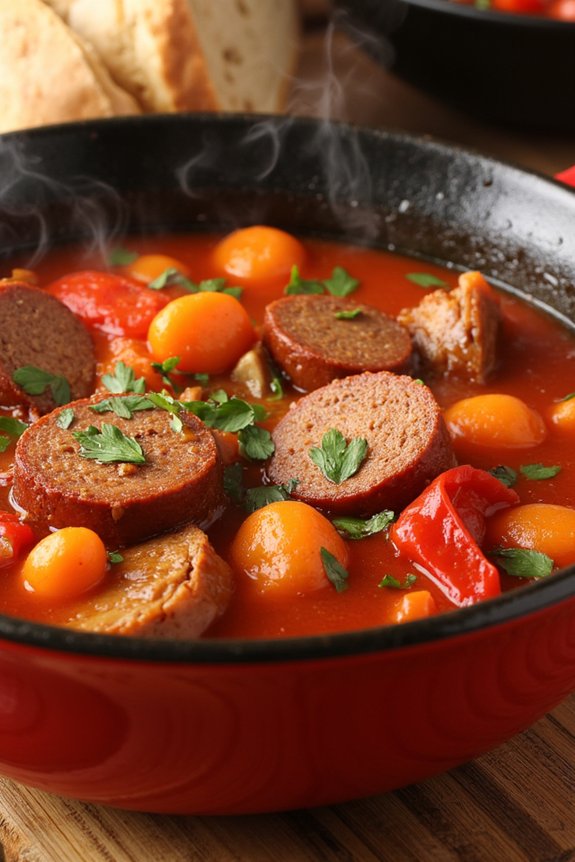
Spanish cuisine is renowned for its robust flavors and hearty dishes, and nothing encapsulates this better than a traditional Spanish Chorizo Stew. This dish is a perfect blend of spicy chorizo sausages, tender vegetables, and aromatic spices that come together to create a comforting and satisfying meal. Typically enjoyed during cooler months, this stew is a staple in Spanish households and is often made in large quantities to be enjoyed over several days.
The stew’s rich and smoky flavor profile is complemented by the subtle sweetness of the vegetables, resulting in a harmonious balance of tastes that’s sure to please any palate. The heartiness of the Chorizo Stew makes it an ideal dish for feeding a crowd, and it can easily be adapted to suit individual preferences. Some variations might include additional ingredients like beans or potatoes to make it even more filling.
This recipe will guide you through creating a traditional Spanish Chorizo Stew to serve 4-6 people, ensuring that you can bring a taste of Spain to your dining table. Whether you’re a seasoned cook or a beginner in the kitchen, this recipe is straightforward and rewarding, promising a delicious result that captures the essence of Spanish home cooking.
Ingredients for 4-6 servings:
- 2 tablespoons olive oil
- 1 pound Spanish chorizo, sliced
- 1 large onion, chopped
- 3 cloves garlic, minced
- 2 red bell peppers, chopped
- 2 carrots, sliced
- 2 teaspoons smoked paprika
- 1 teaspoon ground cumin
- 1/2 teaspoon chili flakes (optional)
- 2 cans (14 ounces each) diced tomatoes
- 4 cups chicken or vegetable broth
- 2 bay leaves
- Salt and pepper to taste
- 1/2 cup chopped fresh parsley
- Crusty bread for serving
Cooking Instructions:
- Prepare the Ingredients: Begin by slicing the chorizo into rounds, chopping the onions, bell peppers, and carrots, and mincing the garlic. Having all your ingredients prepped and ready will make the cooking process smoother.
- Cook the Chorizo: Heat the olive oil in a large pot or Dutch oven over medium heat. Add the sliced chorizo and cook for about 5 minutes, stirring occasionally, until it starts to brown and release its oils. This will infuse the stew with the chorizo’s smoky flavor.
- Sauté the Vegetables: Add the chopped onion, garlic, red bell peppers, and carrots to the pot with the chorizo. Stir well and cook for another 5 minutes, or until the vegetables begin to soften.
- Spice it Up: Stir in the smoked paprika, ground cumin, and chili flakes if using. Cook for 1-2 minutes until the spices are fragrant, ensuring they coat the vegetables and chorizo evenly.
- Simmer the Stew: Add the diced tomatoes (with their juices), chicken or vegetable broth, and bay leaves to the pot. Stir everything together, bring to a boil, then reduce the heat to low. Cover the pot and let the stew simmer for at least 30 minutes, or until the vegetables are tender and the flavors have melded.
- Season and Serve: Taste the stew and adjust the seasoning with salt and pepper as needed. Stir in the chopped fresh parsley just before serving. Ladle the stew into bowls and serve hot with crusty bread on the side, perfect for soaking up the rich broth.
Extra Tips:
For an even deeper flavor, consider using homemade chicken or vegetable broth instead of store-bought. If you prefer a thicker stew, you can let it simmer uncovered for the last 10 minutes to allow some of the liquid to evaporate.
This stew also benefits from being made ahead of time; the flavors will develop and intensify if left to sit overnight in the fridge. Additionally, feel free to substitute or add other vegetables or legumes such as potatoes, chickpeas, or beans to tailor the stew to your liking.
Traditional Gazpacho Andaluz
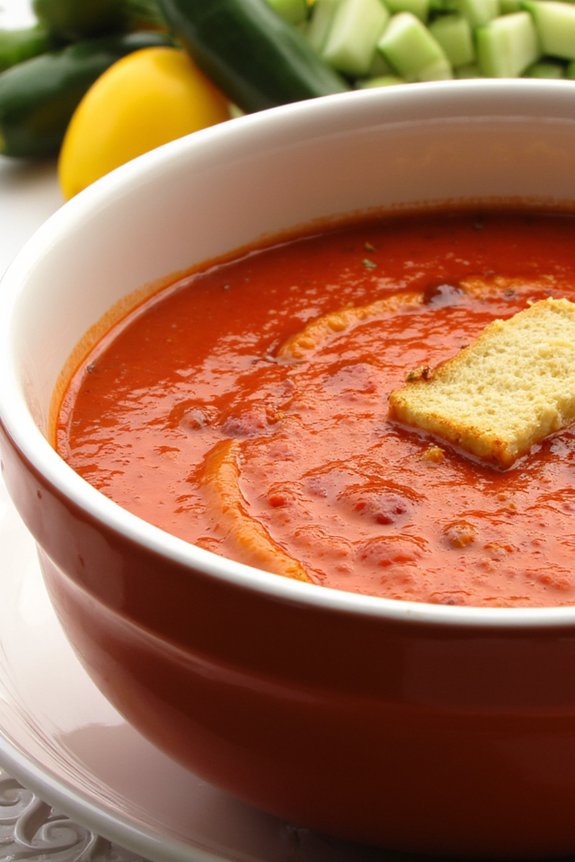
Traditional Gazpacho Andaluz is a revitalizing cold soup that originates from the Andalusian region of Spain. Known for its vibrant flavor and cooling properties, this dish is a perfect choice for hot summer days. Made with fresh vegetables such as tomatoes, cucumbers, and bell peppers, Gazpacho Andaluz offers a delightful blend of taste and nutrition. It’s traditionally served chilled and can be enjoyed as a starter or a light meal.
The simplicity of the ingredients and the ease of preparation make it a popular choice in Spanish cuisine. To achieve the authentic flavor of Traditional Gazpacho Andaluz, it’s crucial to use ripe and high-quality produce. The soup relies on the natural flavors of the vegetables, which are enhanced by a touch of vinegar and olive oil.
While there are many variations of gazpacho, the Andalusian version is the most iconic. Its smooth texture and vibrant color are achieved by blending the ingredients until silky. This dish is a reflection of the culinary traditions of Spain and a showcase of its rich agricultural heritage.
Ingredients (serving size: 4-6 people):
- 1 kg ripe tomatoes
- 1 medium cucumber
- 1 green bell pepper
- 1 small red onion
- 2 cloves garlic
- 3 slices day-old white bread
- 3 tablespoons extra virgin olive oil
- 2 tablespoons white wine vinegar
- 1 teaspoon salt
- 1/2 teaspoon black pepper
- 1 cup cold water
- Optional garnish: diced vegetables or croutons
Cooking Instructions:
- Prepare the Vegetables: Begin by washing the tomatoes, cucumber, and bell pepper. Peel the cucumber if desired. Roughly chop the tomatoes, cucumber, and bell pepper into large chunks. Peel and quarter the red onion, and peel the garlic cloves.
- Soak the Bread: Tear the white bread into pieces and place them in a small bowl. Add a few tablespoons of water to soften the bread. Let it soak while you prepare the other ingredients.
- Blend the Ingredients: In a blender or food processor, combine the chopped tomatoes, cucumber, bell pepper, onion, and garlic. Add the soaked bread, olive oil, vinegar, salt, and black pepper. Blend the mixture until smooth. If the soup is too thick, gradually add cold water until you reach the desired consistency.
- Chill the Soup: Transfer the blended mixture to a large bowl or container. Cover and refrigerate for at least 2 hours, allowing the flavors to meld and the soup to chill thoroughly.
- Serve: Before serving, taste the gazpacho and adjust the seasoning if necessary. Pour the chilled soup into individual bowls or glasses. Garnish with diced vegetables or croutons if desired, and drizzle with a little extra olive oil.
Extra Tips:
For the best flavor, verify that the tomatoes are fully ripe and sweet, as they form the base of the soup. If your tomatoes lack sweetness, a small pinch of sugar can be added to balance the flavors.
Gazpacho is traditionally served very cold, so consider chilling your serving bowls in the freezer before use. Additionally, the soup can be made a day in advance, allowing the flavors to develop even more. Remember to stir well before serving, as separation may occur.
Sizzling Gambas Al Ajillo
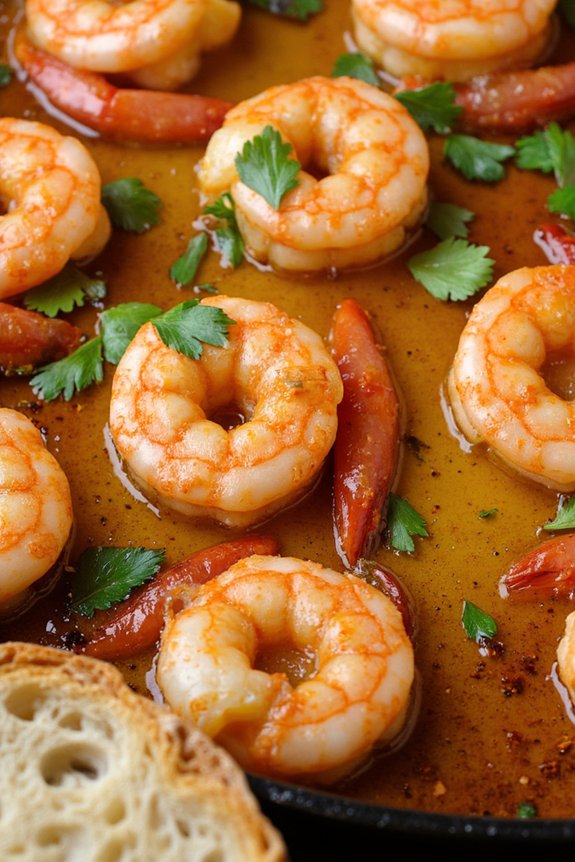
Sizzling Gambas Al Ajillo is a beloved Spanish dish that showcases the simplicity and boldness of Spanish cuisine. This dish primarily features fresh shrimp cooked in a fragrant bath of olive oil, garlic, and a hint of chili, bringing out the natural sweetness of the seafood.
Originating from the southern regions of Spain, Gambas Al Ajillo is often served as a tapa, making it a perfect appetizer for gatherings or a delightful side dish when paired with a hearty meal. The dish is typically prepared quickly, allowing the flavors to meld beautifully while maintaining the shrimp’s tender texture.
The key to a successful Gambas Al Ajillo lies in using high-quality ingredients, particularly fresh shrimp and extra virgin olive oil. The garlic is gently cooked to release its aroma without burning, and the chili adds just the right amount of heat to make the dish exciting without overpowering the delicate taste of the shrimp.
This dish is traditionally enjoyed with crusty bread, perfect for soaking up the flavorful oil. When prepared correctly, Gambas Al Ajillo is a proof of the power of simple ingredients combined to create an unforgettable flavor experience.
Ingredients (serving size: 4-6 people):
- 1 pound (450g) large shrimp, peeled and deveined
- 1/2 cup extra virgin olive oil
- 6-8 garlic cloves, thinly sliced
- 1-2 dried red chili peppers, chopped or 1 teaspoon red pepper flakes
- Salt, to taste
- Freshly ground black pepper, to taste
- 2 tablespoons chopped fresh parsley
- Freshly squeezed juice of 1 lemon
- Crusty bread, for serving
Cooking Instructions:
- Prepare the Shrimp: Begin by thoroughly rinsing the shrimp under cold water. Pat them dry with paper towels to make sure they cook evenly and quickly.
- Heat the Oil: In a large skillet or frying pan, pour in the olive oil and set over medium heat. Allow the oil to heat gently.
- Cook the Garlic and Chili: Once the oil is hot, add the sliced garlic and chili peppers. Stir frequently and cook until the garlic becomes fragrant and just golden brown, making certain it doesn’t burn as this can impart a bitter taste.
- Add the Shrimp: Add the prepared shrimp to the skillet. Season with salt and black pepper. Increase the heat slightly and cook the shrimp for about 2-3 minutes on each side, or until they turn pink and opaque.
- Finish with Parsley and Lemon: Remove the skillet from the heat and immediately add the chopped parsley and lemon juice. Stir well to combine all the flavors.
- Serve Immediately: Transfer the sizzling shrimp and garlic oil to a serving dish. Serve hot with slices of crusty bread on the side for dipping.
Extra Tips:
To achieve the best results, always use the freshest shrimp available, as this will greatly enhance the flavor of the dish.
Be careful when cooking the garlic; it should be golden and fragrant, not brown or burnt. Adjust the amount of chili to your taste preference, adding more if you prefer a spicier dish.
This recipe can be adapted with a splash of dry white wine for an extra layer of flavor. Finally, make sure the parsley and lemon juice are added off the heat to maintain their fresh, vibrant flavors.
Flavorful Fabada Asturiana
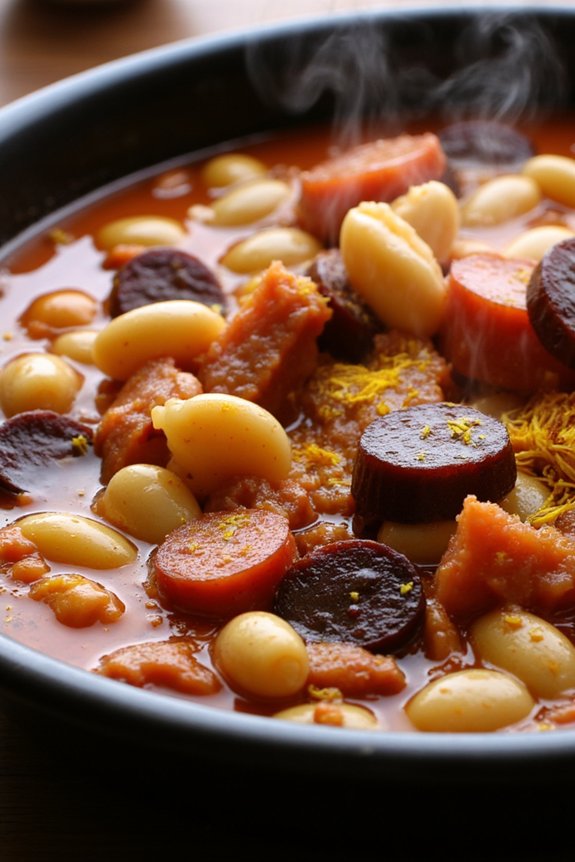
Fabada Asturiana is a classic Spanish dish hailing from the northern region of Asturias. This hearty bean stew is traditionally prepared with a variety of meats and spices that meld together to create a rich and satisfying meal. Known for its robust flavors and comforting qualities, Fabada Asturiana is often enjoyed during the colder months, but its deliciousness makes it a beloved dish all year round.
The key ingredients, including Asturian chorizo, morcilla (blood sausage), and pancetta, contribute to the distinctive taste that defines this dish.
This recipe serves 4-6 people and takes patience and time to allow the flavors to fully develop. The base of the stew is made with fabes – large white beans that are vital to the dish. While traditionally soaked overnight, the beans are simmered slowly with the meats and seasonings until they’re tender and have absorbed the rich flavors of the broth. The result is a deeply flavorful and satisfying stew that’s perfect for sharing with family and friends.
Ingredients:
- 500g dried fabes (large white beans)
- 2 Asturian chorizos
- 1 morcilla (Spanish blood sausage)
- 200g pancetta or salted pork belly
- 1 onion, peeled and halved
- 2 cloves garlic, peeled
- 1 bay leaf
- 1 teaspoon sweet paprika
- 1 pinch saffron threads
- Salt to taste
- Water
Cooking Instructions:
- Prepare the Beans: Begin by soaking the dried fabes in a large bowl of water overnight, or for at least 12 hours. This rehydrates the beans and guarantees they cook evenly.
- Cook the Meats: In a large pot, place the soaked and drained beans, chorizos, morcilla, and pancetta. Add enough water to cover all the ingredients by about 2 inches. Bring to a gentle boil over medium-high heat.
- Add Aromatics: Once the liquid is boiling, skim off any foam that forms on the surface. Add the onion halves, garlic cloves, bay leaf, paprika, and saffron to the pot. Reduce the heat to low, cover, and let simmer gently.
- Simmer the Stew: Allow the stew to cook for approximately 2 to 3 hours, or until the beans are tender and the meats are cooked through. Stir occasionally and add more water if necessary to keep the beans submerged.
- Season to Taste: About 30 minutes before the stew is ready, taste the broth and add salt if needed. The meats can be salty, so be careful not to over-salt the dish.
- Finish and Serve: Once the beans are tender and the flavors have melded together, remove the pot from heat. Discard the bay leaf and onion halves. Slice the chorizos, morcilla, and pancetta into bite-sized pieces. Serve the stew hot with pieces of meat on top, making sure each bowl gets a bit of everything.
Extra Tips:
For the best results, it’s important to use high-quality ingredients, especially the meats, as they heavily influence the dish’s flavor. If fabes aren’t available, you can substitute with other large white beans, though the texture may differ slightly.
Cooking the stew slowly and gently is significant for developing its rich flavor, so resist the urge to increase the heat. To enhance the dish, it can be made a day in advance and gently reheated, as the flavors tend to deepen overnight. Enjoy your Fabada Asturiana with a crusty bread to soak up the delicious broth.
Rustic Patatas Bravas
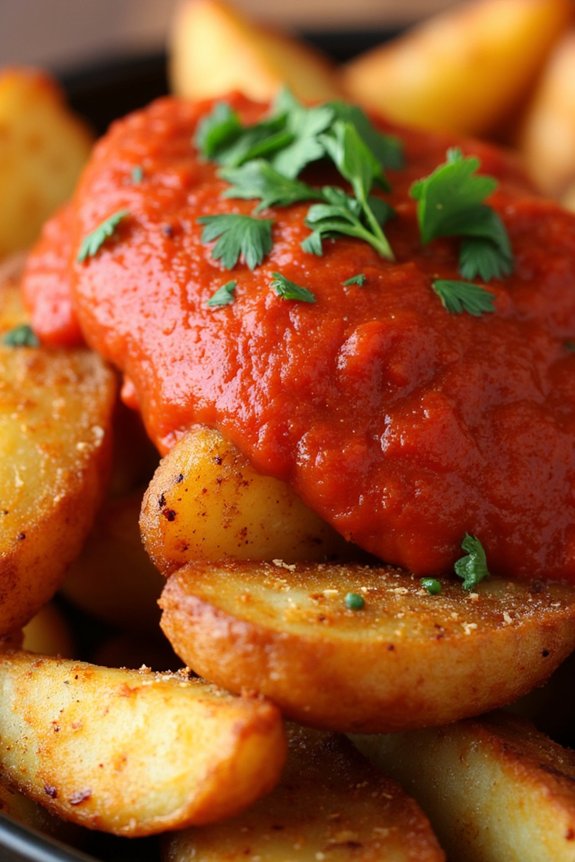
Patatas Bravas is a classic Spanish tapas dish that embodies the essence of rustic comfort food with its crispy potatoes and spicy tomato sauce. This dish is a staple in Spanish bars, often enjoyed with a cold drink and good company. The term “bravas” translates to “fierce” in English, referring to the spicy kick of the accompanying sauce.
The key to perfecting this dish is guaranteeing the potatoes are crispy on the outside and tender on the inside, while the sauce delivers a balanced blend of heat and flavor.
In this recipe, we’ll guide you through the process of making this traditional dish from scratch, guaranteeing that you capture the authentic taste of Spain right in your kitchen. Serving 4-6 people, this recipe is perfect for a family gathering or a tapas night with friends. Prepare to indulge in every crispy, spicy bite of these deliciously rustic Patatas Bravas.
Ingredients for 4-6 servings:
- 6 large potatoes, peeled and cut into 1-inch cubes
- 1/4 cup olive oil
- Salt, to taste
- 1 medium onion, finely chopped
- 3 cloves garlic, minced
- 1 can (14 oz) diced tomatoes
- 1 tablespoon tomato paste
- 1 teaspoon smoked paprika
- 1/2 teaspoon cayenne pepper
- 1 tablespoon red wine vinegar
- Fresh parsley, chopped (for garnish)
Cooking Instructions:
- Prepare the Potatoes: Preheat your oven to 425°F (220°C). Place the potato cubes in a large bowl, drizzle with olive oil, and season with salt. Toss to coat the potatoes evenly.
- Bake the Potatoes: Spread the potatoes in a single layer on a large baking sheet. Bake in the preheated oven for 25-30 minutes, or until the potatoes are golden brown and crispy, turning them halfway through the cooking time to guarantee even browning.
- Make the Sauce: While the potatoes are baking, heat a tablespoon of olive oil in a saucepan over medium heat. Add the chopped onion and sauté for 5 minutes until translucent.
- Add Garlic and Tomatoes: Stir in the minced garlic and cook for another minute. Add the diced tomatoes and tomato paste to the saucepan, stirring to combine.
- Season the Sauce: Season the tomato mixture with smoked paprika, cayenne pepper, and a pinch of salt. Let it simmer on low heat for 15-20 minutes, allowing the flavors to meld together.
- Finish the Sauce: Stir in the red wine vinegar and adjust seasoning to taste. Blend the sauce using an immersion blender until smooth, or leave it chunky if preferred.
- Serve the Patatas Bravas: Once the potatoes are ready, transfer them to a serving platter. Generously spoon the sauce over the potatoes and garnish with chopped parsley.
Extra Tips:
For an even crispier texture, consider parboiling the potatoes for 5 minutes before roasting them. This will create a fluffier interior and enhance the crispiness.
Adjust the spice level of the sauce by altering the amount of cayenne pepper to suit your taste. If you enjoy garlic, feel free to add more cloves to intensify the flavor.
Finally, for a truly authentic touch, serve Patatas Bravas with a dollop of aioli or homemade garlic mayonnaise on the side.
Savory Tortilla Española

Tortilla Española, also known as Spanish omelet, is a classic and beloved dish in Spain. This savory delicacy is made with just a few simple ingredients but offers a rich and satisfying flavor. It’s typically served as a tapa, enjoyed at any time of the day, and is a staple in Spanish cuisine. The key to a perfect Tortilla Española lies in the quality of its ingredients and the technique used to cook it, resulting in a dish that’s crispy on the outside and tender on the inside.
Traditionally, Tortilla Española is made with eggs, potatoes, and onions, though some variations may include additional ingredients like bell peppers or chorizo. The potatoes are thinly sliced and cooked until tender, then combined with beaten eggs to create a thick omelet. It’s cooked slowly over low heat to guarantee that the center is cooked through without burning the exterior. This simple yet flavorful dish can be served hot or at room temperature, making it versatile for any occasion.
Ingredients (Serving Size: 4-6 people):
- 6 large eggs
- 4 medium potatoes
- 1 large onion
- 1/2 cup olive oil
- Salt to taste
Cooking Instructions:
- Prepare the Ingredients: Peel the potatoes and slice them thinly, about 1/8 inch thick. Peel and finely chop the onion. Crack the eggs into a large bowl, add a pinch of salt, and beat them well.
- Cook the Potatoes and Onions: Heat the olive oil in a non-stick frying pan over medium heat. Add the sliced potatoes and chopped onions, making sure they’re well coated with oil. Cook gently, stirring occasionally, until the potatoes are tender and onions are translucent, about 15-20 minutes. Avoid browning the potatoes and onions; they should remain soft.
- Drain the Potatoes and Onions: Once the potatoes and onions are cooked, remove them from the pan using a slotted spoon, allowing the excess oil to drain back into the pan. Set the cooked potatoes and onions aside in a bowl.
- Combine with Eggs: Add the cooked potatoes and onions to the beaten eggs. Mix well until the potatoes and onions are evenly coated with the egg mixture.
- Cook the Tortilla: Return the frying pan to the stove, adding a little more oil if needed, and heat over medium-low heat. Pour the egg mixture into the pan, spreading it evenly. Cook slowly, allowing the edges to set while the center remains slightly runny, about 5-10 minutes.
- Flip the Tortilla: Once the edges are set, place a large plate over the pan. Carefully flip the pan to transfer the tortilla onto the plate, then slide it back into the pan to cook the other side. Continue cooking for another 5 minutes, or until the tortilla is fully set and golden brown.
- Serve the Tortilla: Once cooked, slide the tortilla onto a serving plate. Allow it to cool slightly before slicing it into wedges. Serve warm or at room temperature.
Extra Tips:
Achieving the perfect texture for Tortilla Española requires patience and attention. Make sure not to rush the cooking process, as low and slow heat is vital for guaranteeing the center is cooked without burning the outside.
If desired, experiment with additional ingredients like red bell peppers, garlic, or fresh herbs to add more depth of flavor to the dish. Finally, use a non-stick pan to make flipping the tortilla easier and to guarantee a smooth cooking experience.
Rich Cochinillo Asado
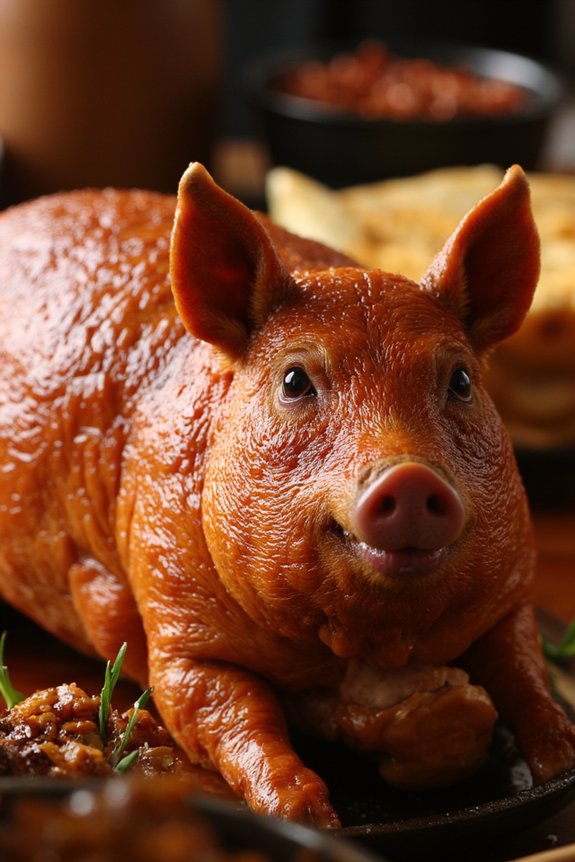
Cochinillo Asado, a traditional Spanish dish, is a culinary masterpiece that highlights the simplicity and flavor of a roasted suckling pig. Originating from the region of Castilla y León, this dish is often reserved for special occasions and celebrations due to its rich flavors and elaborate preparation.
The key to a perfect Cochinillo Asado lies in the quality of the piglet, which should ideally be between two to six weeks old, weighing around 4-6 kg. This guarantees tender and succulent meat that falls off the bone with ease after roasting.
The preparation of Cochinillo Asado is relatively straightforward, focusing on enhancing the natural flavors of the meat without overwhelming it with excessive seasonings. The piglet is traditionally roasted in a wood-fired oven, which imparts a unique aroma and crisp texture to the skin. However, a conventional oven can also be used to achieve delicious results.
The aim is to roast the piglet until the skin is golden and crispy while the interior remains juicy and tender. This dish is best served with simple side dishes, such as roasted potatoes or a fresh salad, to complement its rich taste.
Ingredients for 4-6 People:
- 1 suckling pig (4-6 kg)
- 2-3 tablespoons of lard or olive oil
- 2 tablespoons of salt
- 1 tablespoon of pepper
- 2 cloves of garlic, minced
- 1 cup of white wine
- 1 cup of water
Cooking Instructions:
- Prepare the Piglet: Preheat your oven to 160°C (320°F). Rinse the suckling pig thoroughly under cold water and pat it dry with paper towels. Verify the piglet is completely clean, removing any remaining hairs or impurities.
- Season the Piglet: Rub the interior of the piglet with salt, pepper, and minced garlic to enhance the flavor. If using lard, melt it and brush it over the skin of the piglet evenly. Alternatively, drizzle olive oil over the skin to help it crisp up during roasting.
- Position the Piglet: Place the piglet on a large roasting tray, belly side down. Make sure to spread the legs out to guarantee even cooking. Pour the white wine and water into the tray to keep the meat moist and to create a flavorful base for basting during roasting.
- Roast the Piglet: Insert the tray into the oven and roast for about 3 to 3.5 hours, basting the piglet every 30 minutes with the juices from the tray to keep the skin from cracking and to add more flavor. If the skin browns too quickly, cover it with aluminum foil to prevent burning.
- Achieve Crispiness: In the last 20-30 minutes of cooking, increase the oven temperature to 200°C (390°F) to achieve a crispy, golden skin. Keep a careful watch to ascertain the skin doesn’t burn.
- Rest and Serve: Once the piglet is fully cooked (internal temperature should reach about 70°C or 158°F), remove it from the oven and let it rest for about 15 minutes before carving. Serve with your choice of sides and enjoy the rich flavors of this traditional Spanish dish.
Extra Tips:
To achieve the best results with Cochinillo Asado, it’s important to start with a fresh, high-quality piglet. If possible, source one from a reputable butcher.
Additionally, maintaining consistent oven temperatures is vital for even cooking, so avoid opening the oven door too often. If a wood-fired oven is unavailable, you can mimic the flavor by using wood chips or a smoking method in a conventional oven.
Finally, when carving the piglet, use a sharp knife or cleaver for clean cuts and a beautiful presentation.
Zesty Salmorejo Cordobés
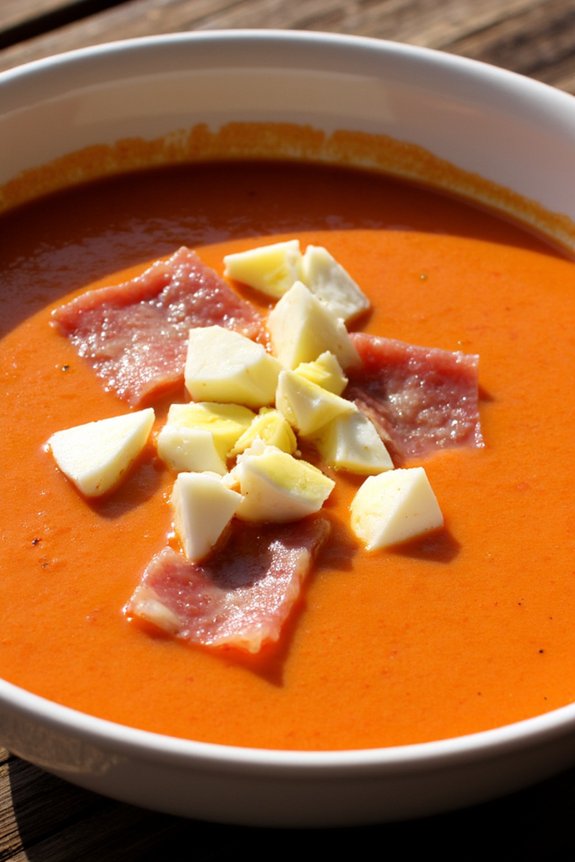
Salmorejo Cordobés is a traditional cold tomato soup from the Andalusian region of Spain, specifically originating in Córdoba. This dish is known for its rich, creamy texture and invigorating taste, making it a perfect choice for hot summer days. The main ingredients include ripe tomatoes, bread, garlic, and olive oil, which are blended together to create a thick, smooth soup.
It’s customarily garnished with hard-boiled eggs and jamón serrano, adding both flavor and visual appeal to the dish. This delightful and simple recipe not only captures the essence of Spanish cuisine but also offers a nutritious and satisfying option for any meal.
It’s best served cold, allowing the flavors to meld together beautifully. As a popular staple in Spanish households, Salmorejo Cordobés is often enjoyed as a starter or a light main course. Below, you’ll find a detailed recipe to prepare this dish for 4-6 people, ensuring everyone can savor its vibrant taste.
Ingredients for 4-6 people:
- 1 kg ripe tomatoes
- 200 g day-old bread (preferably white bread)
- 100 ml extra virgin olive oil
- 1 clove garlic
- 1 tablespoon sherry vinegar
- Salt to taste
- 2 hard-boiled eggs
- 100 g jamón serrano (Spanish cured ham)
Cooking Instructions:
- Prepare the Tomatoes: Begin by washing the tomatoes thoroughly. Cut them into quarters and remove the cores. For a smoother texture, you can peel the tomatoes by blanching them in boiling water for 30 seconds and then transferring them to an ice bath to easily remove the skins.
- Soak the Bread: Cut the day-old bread into chunks and place them in a large bowl. Pour a little water over the bread to soften it, then squeeze out any excess liquid. The bread should be moist but not soggy.
- Blend the Ingredients: In a blender or food processor, combine the tomatoes, softened bread, garlic, and a pinch of salt. Blend until the mixture becomes smooth. Gradually add the olive oil and continue blending until the soup is creamy and emulsified.
- Add Sherry Vinegar: Pour in the sherry vinegar and blend for another few seconds. Taste the soup and adjust the seasoning with more salt or vinegar if needed.
- Chill the Soup: Transfer the soup to a large bowl or container, cover it, and place it in the refrigerator for at least 2 hours to chill. This resting period allows the flavors to meld and develop.
- Prepare the Garnishes: While the soup is chilling, hard-boil the eggs. Once cooked, peel and finely chop them. Cut the jamón serrano into small strips or dice it finely.
- Serve the Salmorejo: Before serving, give the soup a good stir. Ladle it into bowls and top each serving with the chopped hard-boiled eggs and jamón serrano. Drizzle a little extra virgin olive oil over the top for added flavor.
Extra Tips:
For the best Salmorejo Cordobés, always use the ripest and juiciest tomatoes you can find, as they’re essential for the flavor of the soup. If you prefer a thicker texture, you can adjust the amount of bread used.
Additionally, if you want a smoother finish, strain the blended soup through a fine sieve to remove any remaining solids. Remember that the quality of the olive oil and jamón serrano will greatly impact the final taste, so opt for high-quality ingredients whenever possible. Enjoy this dish with a side of crusty bread for an authentic Spanish experience.
Comforting Caldo Gallego
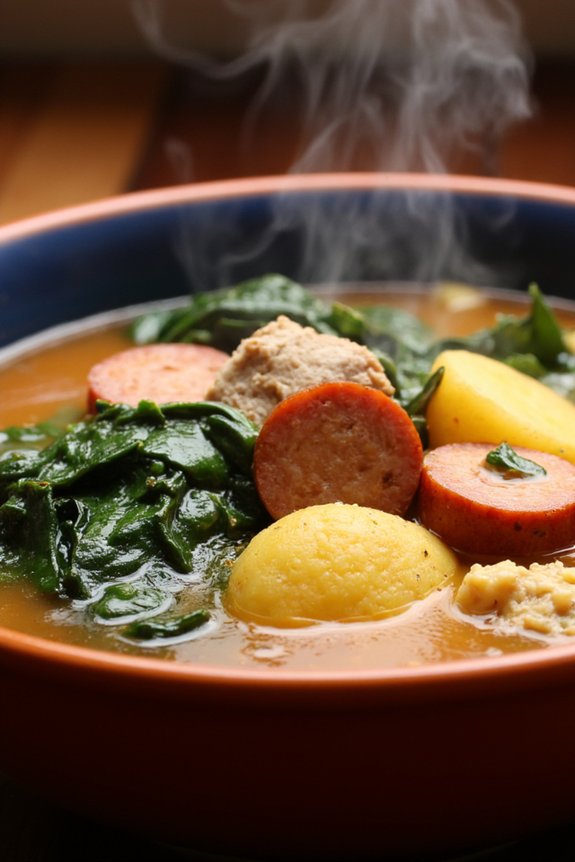
Caldo Gallego, a comforting and hearty soup hailing from the Galicia region of Spain, is perfect for warming up on a chilly day. This traditional dish is deeply rooted in the rural areas of Galicia, where it was originally made with whatever ingredients were available, often featuring meats, greens, and potatoes.
With its rich flavors and simple preparation, Caldo Gallego has become a beloved staple in Spanish cuisine, offering both nourishment and a taste of home.
The essence of Caldo Gallego lies in its balance of flavors and textures. It typically includes a mix of chorizo, pork, or another flavorful meat, along with potatoes and leafy greens such as turnip tops or collard greens. The soup is slow-cooked to allow the flavors to meld beautifully, resulting in a savory broth that’s both satisfying and soul-soothing.
Whether you’re familiar with Spanish cuisine or exploring it for the first time, Caldo Gallego is a comforting dish that brings the warmth and spirit of Galicia to your table.
Ingredients for Caldo Gallego (serves 4-6):
- 1 pound (about 450 grams) of pork shoulder or ham hock
- 2 chorizo sausages
- 1/2 pound (about 225 grams) of turnip tops or collard greens
- 4 medium potatoes, peeled and diced
- 1 large onion, chopped
- 2 cloves of garlic, minced
- 1 tablespoon olive oil
- 8 cups of water or chicken broth
- Salt and pepper to taste
Cooking Instructions:
- Prepare the Meat: In a large pot, heat the olive oil over medium heat. Add the chopped onion and minced garlic, sautéing until the onion becomes translucent and fragrant. Add the pork shoulder or ham hock to the pot and brown it on all sides, which should take about 5-7 minutes.
- Add Chorizo and Broth: Slice the chorizo sausages into thick rounds and add them to the pot. Pour in the water or chicken broth, ensuring the meat is submerged. Bring the mixture to a gentle boil, then reduce the heat to low. Cover and let it simmer for about 1 hour, allowing the flavors to develop and the meat to tenderize.
- Incorporate the Vegetables: After an hour, add the diced potatoes to the pot. Continue to simmer for another 20 minutes, or until the potatoes are tender. Stir occasionally to prevent sticking.
- Add the Greens: Wash and chop the turnip tops or collard greens. Add them to the pot once the potatoes are cooked through. Simmer for an additional 10-15 minutes until the greens are wilted and tender.
- Season and Serve: Taste the soup and adjust the seasoning with salt and pepper as needed. Remove the pot from the heat and let it sit for a few minutes before serving to allow the flavors to meld further. Serve hot with crusty bread for a complete meal.
Extra Tips:
When making Caldo Gallego, feel free to adjust the ingredients based on what’s available. If turnip tops are hard to find, collard greens or kale make excellent substitutes.
For an enhanced flavor, consider adding a bay leaf or a splash of white wine during the simmering process. Additionally, allowing the soup to rest for a few hours or overnight can greatly deepen its flavors, making it even more delicious when reheated.
Aromatic Sopa De Ajo
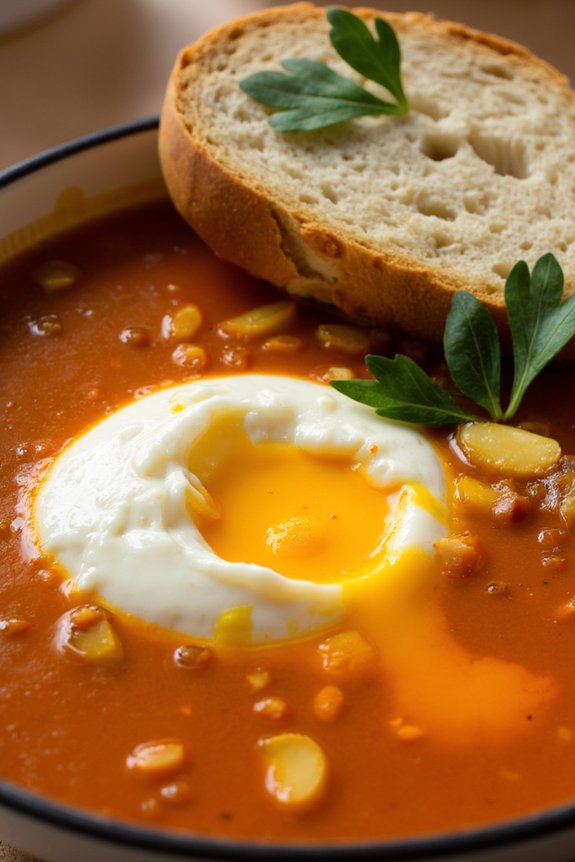
Aromatic Sopa De Ajo, also known as Garlic Soup, is a traditional Spanish dish that’s both comforting and flavorful. Originating from the rustic kitchens of Spain, this dish showcases simple ingredients elevated through slow cooking methods to release deep, rich flavors.
The soup is characterized by its aromatic garlic base, often enhanced with the smokiness of Spanish paprika, and is finished with a poached egg on top, creating a creamy texture that blends perfectly with the broth.
This delightful soup is perfect for a cozy dinner or a starter to a larger meal. It isn’t only easy to prepare but also a demonstration of how a few quality ingredients can come together to create something truly special.
Whether you’re looking to impress guests or simply enjoy a warming bowl of goodness, Aromatic Sopa De Ajo is a perfect choice.
Ingredients for 4-6 servings:
- 1/4 cup olive oil
- 10 cloves of garlic, thinly sliced
- 1 tablespoon Spanish smoked paprika (pimentón)
- 8 cups chicken or vegetable broth
- 4-6 slices of day-old crusty bread
- Salt and freshly ground black pepper, to taste
- 4-6 large eggs
- Fresh parsley, chopped, for garnish
Cooking Instructions:
- Prepare the Garlic: Begin by heating the olive oil in a large pot over medium heat. Add the sliced garlic and cook until golden brown, being careful not to let it burn. This will take about 2-3 minutes.
- Add Paprika: Once the garlic is ready, remove the pot from the heat and stir in the smoked paprika. This prevents the paprika from burning and turning bitter. Mix well to coat the garlic with the spice.
- Add the Broth: Return the pot to the heat and pour in the chicken or vegetable broth. Stir to combine and bring the mixture to a simmer.
- Simmer the Soup: Allow the soup to simmer for about 15 minutes. This will help the flavors meld together, giving the broth a rich, aromatic base.
- Prepare the Bread: While the soup is simmering, cut the day-old bread into slices. Add the bread slices to the pot and push them down into the broth to soak up the flavors. Simmer for another 5 minutes.
- Season and Adjust: Taste the soup and season with salt and freshly ground black pepper according to your preference.
- Poach the Eggs: Gently crack the eggs into the simmering soup, spacing them evenly. Cover the pot and allow the eggs to poach for about 3-4 minutes, or until the whites are set but the yolks are still runny.
- Serve: Carefully ladle the soup into bowls, ensuring each serving gets an egg. Garnish with freshly chopped parsley.
Extra Tips:
To enhance the flavor of your Aromatic Sopa De Ajo, consider using homemade broth, which adds depth and richness to the soup.
If you prefer a spicier version, add a pinch of cayenne pepper along with the paprika. For a more substantial meal, you can add sliced chorizo or ham.
Finally, using day-old bread is essential as it provides the right texture without becoming too soggy.
Delicious Bacalao a La Vizcaína
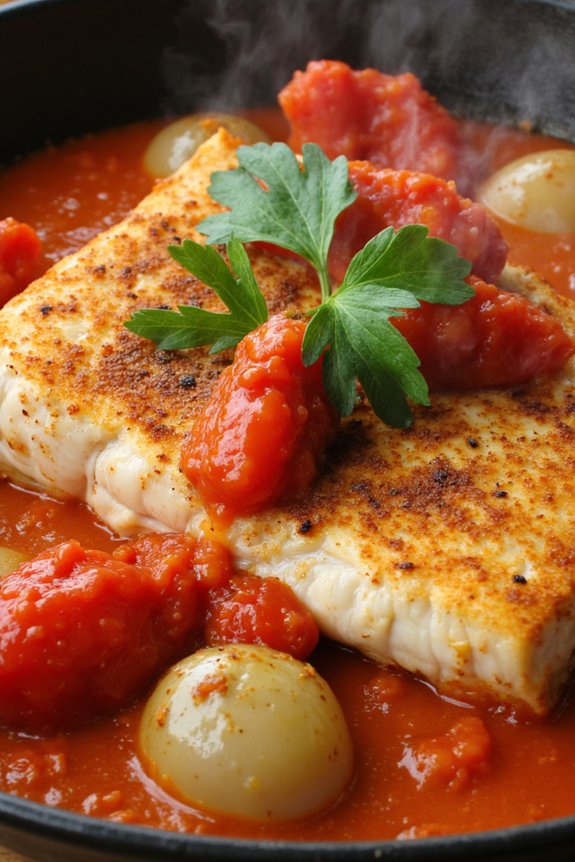
Bacalao a La Vizcaína is a traditional Spanish dish originating from the Basque region. It’s a delightful combination of salted cod, red peppers, tomatoes, and onions, enveloped in a rich sauce that highlights the flavors of the region. This dish is perfect for gatherings and is often served during festive occasions, bringing the warmth and depth of Spanish flavors to your table.
The key to a successful Bacalao a La Vizcaína lies in the quality of the ingredients and the time given to develop the flavors, making it a rewarding culinary experience.
The history of Bacalao a La Vizcaína is deeply rooted in the Basque Country’s love for seafood and their innovative ways of preserving it. Traditionally, the salted cod was a staple for long sea voyages and rural communities, allowing them to enjoy fish all year round.
The combination of garlic, onions, and peppers in the sauce complements the delicate, flaky cod, creating a harmony of flavors that’s both robust and comforting. Whether you’re new to Spanish cuisine or a seasoned enthusiast, this dish is sure to captivate your taste buds.
Ingredients (Serves 4-6)
- 1.5 pounds salted cod
- 1 cup olive oil
- 2 large onions, thinly sliced
- 4 cloves garlic, minced
- 2 red bell peppers, roasted and sliced
- 4 ripe tomatoes, peeled and chopped
- 1 tablespoon tomato paste
- 1 cup fish stock or water
- 1 teaspoon paprika
- Salt and pepper to taste
- 1 bay leaf
- Fresh parsley, chopped for garnish
Cooking Instructions
- Desalt the Cod: Start by soaking the salted cod in cold water for 24 to 48 hours, changing the water every 8 hours. This will remove the excess salt and prepare the cod for cooking.
- Prepare the Sauce: In a large skillet, heat the olive oil over medium heat. Add the sliced onions and minced garlic, sautéing until the onions become translucent and soft, about 10 minutes.
- Add the Peppers and Tomatoes: Stir in the roasted red peppers and chopped tomatoes. Cook for another 5 minutes until the tomatoes start to break down.
- Incorporate the Tomato Paste and Stock: Mix in the tomato paste and pour in the fish stock. Stir well to combine and bring the mixture to a gentle simmer.
- Season the Sauce: Add the paprika, bay leaf, and a pinch of salt and pepper. Allow the sauce to simmer for about 20 minutes, stirring occasionally, until it thickens and the flavors meld together.
- Cook the Cod: Rinse the desalted cod under cold water, pat it dry, and cut it into manageable pieces. Gently place the cod pieces into the simmering sauce, ensuring they’re mostly submerged.
- Simmer Until Done: Let the cod cook in the sauce for about 15-20 minutes, turning once halfway through, until the fish is opaque and flakes easily with a fork.
- Serve: Remove the bay leaf and adjust seasoning if necessary. Garnish with fresh parsley before serving.
Extra Tips
When preparing Bacalao a La Vizcaína, patience is key. The desalting process is essential, so don’t rush it, as insufficient soaking can result in a too-salty dish.
When simmering the sauce, keep an eye on the consistency, adding a bit more stock if it becomes too thick. If you’re short on time, you can use pre-roasted peppers and canned tomatoes, but fresh ingredients are always preferred for the best flavor.
Serve this dish with crusty bread or boiled potatoes to soak up the delicious sauce.
Tender Pollo Al Ajillo
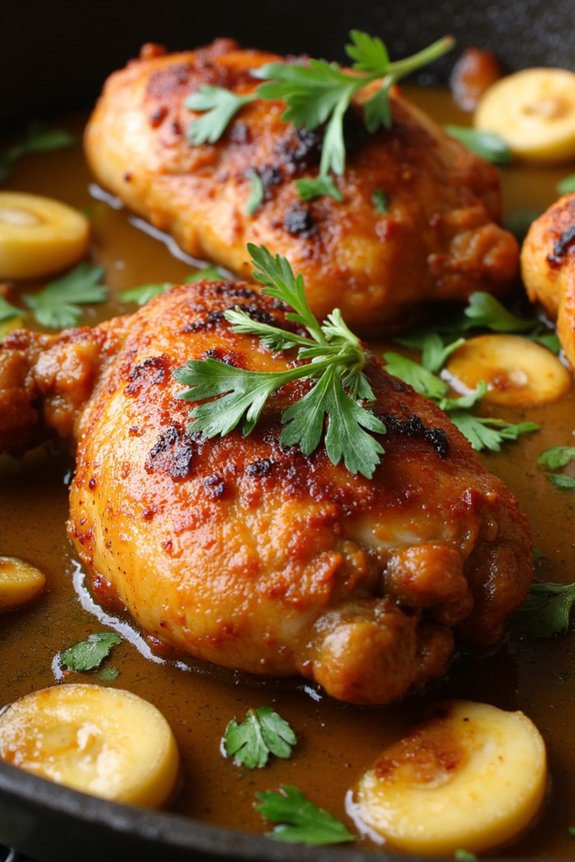
Pollo Al Ajillo, or Garlic Chicken, is a traditional Spanish dish known for its rich and aromatic flavors. This dish hails from the heart of Spain, where it has been a staple in many households for generations. The key to its delectable taste is the combination of tender chicken pieces, infused with the robust flavors of garlic and white wine, creating a savory dish that’s both simple and satisfying.
Pollo Al Ajillo is perfect for a family dinner or a special occasion, offering a taste of authentic Spanish cuisine that’s bound to impress. The dish is characterized by its simplicity, yet it delivers a complex flavor profile that comes from the careful balance of ingredients.
The garlic is the star of the show, providing a pungent aroma and depth of flavor that complements the tender chicken beautifully. White wine adds a touch of acidity and enhances the overall taste, making each bite a delightful experience. This recipe is designed to serve 4-6 people, making it ideal for a small gathering or a family meal.
Ingredients for 4-6 servings:
- 1 whole chicken (about 3-4 lbs), cut into pieces
- 10-12 cloves of garlic, thinly sliced
- 1/2 cup olive oil
- 1 cup dry white wine
- 1 teaspoon paprika (optional)
- Salt and freshly ground black pepper to taste
- 2-3 sprigs of fresh thyme or rosemary (optional)
- 1 bay leaf
- 1 tablespoon chopped fresh parsley, for garnish
Cooking Instructions:
- Prepare the Chicken: Begin by patting the chicken pieces dry with paper towels to remove excess moisture. This will help the chicken brown more effectively during cooking. Season the chicken generously with salt and freshly ground black pepper on both sides.
- Sauté the Garlic: In a large skillet, heat the olive oil over medium heat. Add the sliced garlic and sauté until golden brown, taking care not to burn it, as burnt garlic can add bitterness to the dish. Once golden, remove the garlic from the skillet with a slotted spoon and set aside.
- Brown the Chicken: Increase the heat to medium-high and add the chicken pieces to the skillet. Brown them on all sides, allowing each piece to develop a nice golden crust. This should take about 8-10 minutes. Make sure you don’t overcrowd the skillet; cook in batches if necessary.
- Deglaze the Pan: Once the chicken is browned, pour in the white wine, scraping up any browned bits from the bottom of the pan with a wooden spoon. These bits add depth and flavor to the sauce.
- Simmer the Dish: Return the garlic to the skillet, along with the bay leaf and optional paprika and herbs. Reduce the heat to low, cover the skillet, and let the chicken simmer gently in the wine and garlic-infused oil for about 25-30 minutes, or until the chicken is cooked through and tender.
- Finish and Serve: Once cooked, remove the bay leaf and transfer the chicken to a serving platter. Spoon the garlic and sauce over the chicken, garnish with chopped fresh parsley, and serve hot.
Extra Tips: When making Pollo Al Ajillo, it’s important to use a good quality olive oil, as it forms the base of the sauce. Similarly, choose a dry white wine that you’d enjoy drinking, as its quality will impact the overall taste of the dish.
If you prefer a thicker sauce, you can simmer the liquid uncovered for a few more minutes after removing the chicken, allowing it to reduce and concentrate in flavor. Additionally, serving Pollo Al Ajillo with crusty bread or roasted potatoes can help soak up the delicious sauce.
Sweet and Nutty Tarta De Santiago
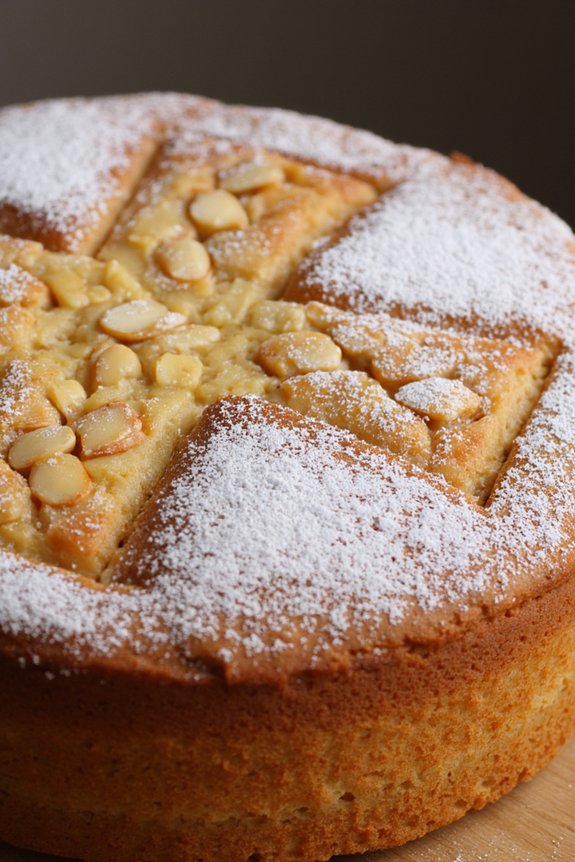
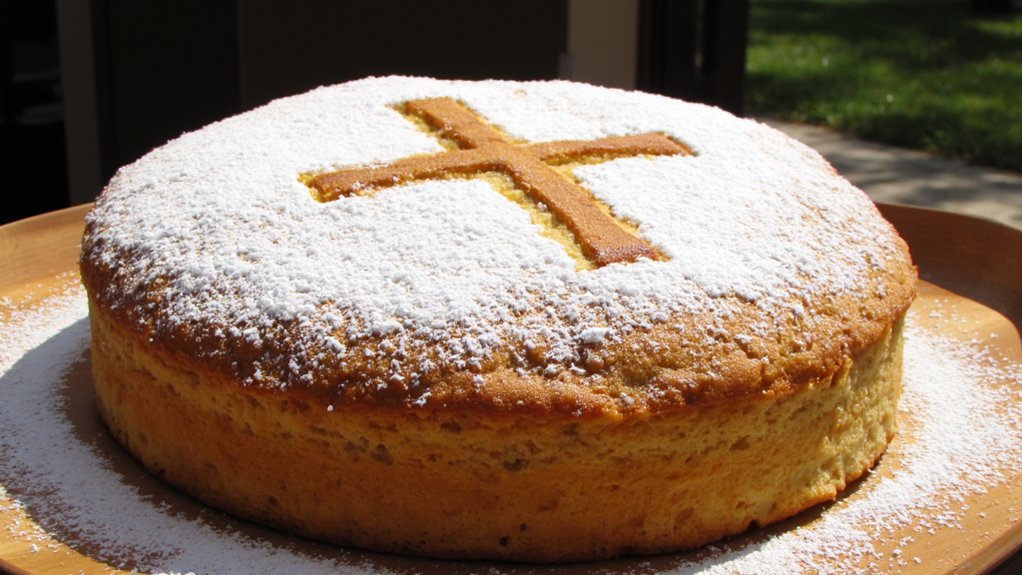
Tarta De Santiago, a traditional Spanish almond cake, hails from the region of Galicia and is a delight for those who appreciate a sweet, nutty flavor. Named after Santiago (Saint James), this dessert is often associated with the Camino de Santiago pilgrimage. The cake is distinctively marked with the Cross of Saint James, making it not just a treat for the palate but also a feast for the eyes.
With its simple yet rich ingredients, this cake is naturally gluten-free and offers a moist, dense texture due to the generous use of ground almonds. The beauty of Tarta De Santiago lies in its simplicity. It requires only a handful of ingredients, making it accessible to even novice bakers.
The cake combines ground almonds, eggs, and sugar, resulting in a cake that’s both fragrant and flavorful. The addition of lemon zest and a hint of cinnamon elevates the taste, giving you a dessert that’s both invigorating and comforting. This recipe serves 4-6 people, perfect for a family gathering or a special occasion.
Ingredients:
- 250 grams of ground almonds
- 250 grams of granulated sugar
- 5 large eggs
- Zest of 1 lemon
- 1/2 teaspoon ground cinnamon
- Powdered sugar for dusting
- Butter for greasing the pan
Instructions:
- Preparation: Preheat your oven to 175°C (350°F). Grease a 9-inch round cake pan with butter, making sure the entire surface is covered. For easy removal, you can also line the bottom with parchment paper.
- Mix the Dry Ingredients: In a large mixing bowl, combine the ground almonds, granulated sugar, and ground cinnamon. Mix well so that the cinnamon is evenly distributed among the almonds and sugar.
- Incorporate the Eggs: Crack the eggs into the almond mixture one by one, stirring gently with a whisk or spatula. Verify each egg is fully mixed in before adding the next. The batter should be smooth and slightly thick.
- Add Lemon Zest: Grate the zest of one lemon directly into the batter and stir until evenly combined. The lemon zest will add a revitalizing aroma and a touch of acidity to balance the sweetness.
- Bake the Cake: Pour the batter into the prepared cake pan, smoothing the top with a spatula. Place the pan in the preheated oven and bake for about 30-35 minutes, or until the top is golden brown and a toothpick inserted into the center comes out clean.
- Cool and Decorate: Allow the cake to cool in the pan for about 10 minutes, then transfer it to a wire rack to cool completely. Once cooled, dust the top generously with powdered sugar. For a traditional touch, place a stencil of the Cross of Saint James on the cake before dusting with sugar, then gently remove the stencil.
Extra Tips: To guarantee the best flavor, use fresh ground almonds rather than pre-packaged almond flour, as they’ve a more robust almond taste and aroma. When zesting the lemon, be careful to avoid the bitter white pith beneath the yellow skin.
If you don’t have a stencil for the Cross of Saint James, you can easily make one using a piece of paper and a sharp knife. Remember, Tarta De Santiago is best enjoyed at room temperature, which allows the flavors to fully develop.
